A new wave of cold air swept across north and east China recently, causing over 10 degrees Celsius temperature drop to multiple provinces, as well as widespread rainfall, snow, and strong wind.
Since Friday, the Inner Mongolia Autonomous Region in north China has experienced extreme cold, with the most rapid temperature drop reaching 12 degrees Celsius. The lowest temperature was witnessed in Ergun City, reaching minus 38 degrees. In response, local authorities have activated emergency plans to ensure steady heating, protect livestock, and clear snow on the roads.
Haixi Prefecture in northwest China Qinghai Province has also reported snowfall since Saturday. Snow has accumulated up to three centimeters in multiple regions, and the temperature has dropped to minus 12 degrees.
In warmer Provinces in the northern part of China, the cold wave also leads to marked temperature plunges. On Sunday morning, Dezhou City in east China's Shandong Province was hit by strong winds, and the highest temperature dropped to three degrees Celsius. The city is expected to welcome a round of snowfall later on Sunday, according to local meteorological forecasts.
"It feels much colder today. Yesterday it was not this cold, but now it has dropped by more than 10 degrees," said Li Xiujuan, a local resident.
Handan City in Hebei Province of north China has also experienced its first sleet and snowfall. The highest temperature plummeted by 15 degrees across the region, dropping the nighttime temperatures again to zero degrees.
"The rain and snow make it feel like winter all over again. Even in a down jacket, the wind still sneaks in through my collar," said resident Fan Zexiao.
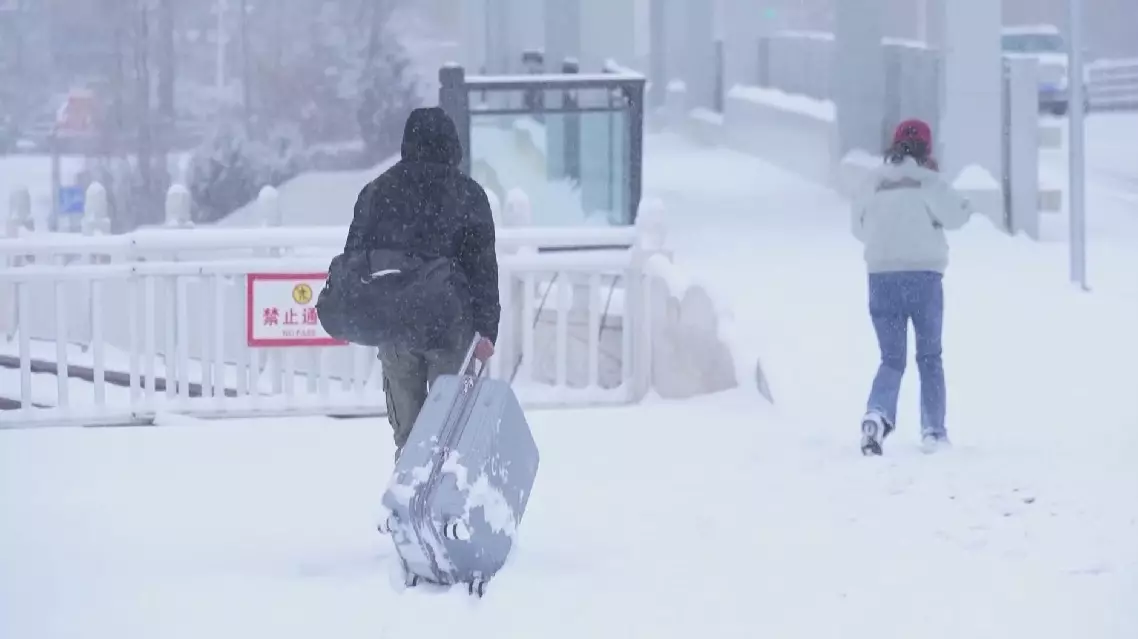
Cold wave hits north, east China, causing drastic temperature drop
Russian President Vladimir Putin and U.S. President Donald Trump held a phone conversation on Wednesday, discussing the recent shooting at the White House press dinner, the situation in Iran and the Ukraine crisis, the Kremlin said.
The Russian president informed his U.S. counterpart of Russia's readiness to declare a truce with Ukraine for the period of Victory Day commemorations.
Trump voiced strong support for the initiative, noting that "the holiday marks our common victory over Nazism in World War II," said Russian presidential aide Yuri Ushakov after the phone conversation that lasted over an hour and a half.
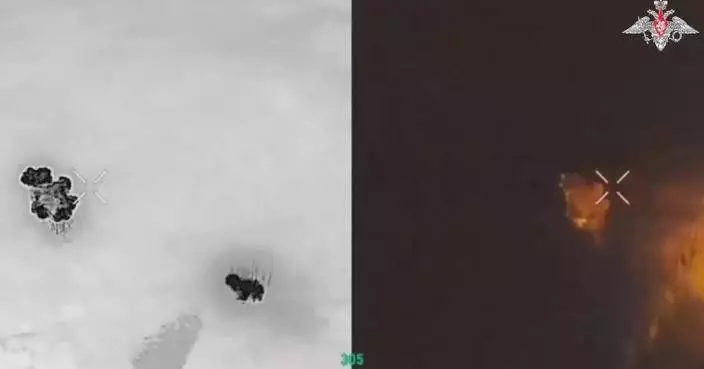
At Trump's request, Putin described the current situation along the contact line with Ukraine, where Russian troops maintain the strategic initiative and are pushing back enemy positions, said Ushakov.
Putin reaffirmed that the goals of the special military operation will be achieved in any case, the aide said. Russia would prefer this to be achieved through negotiations, for which Ukrainian President Volodymyr Zelenskymust respond positively to the well-known proposals that have been repeatedly put forward, including by the U.S. side, he said. Russia has handed over more than 20,000 bodies of the deceased to Ukraine, Putin told Trump, adding that Ukraine has returned just over 500 bodies to Russia since the beginning of 2025.
Among the issues on the international agenda, the two leaders focused primarily on the situation in Iran and the Persian Gulf, according to the Kremlin.
Putin viewed Trump's decision to extend the ceasefire with Iran as the right move, as it will help stabilize the situation, Ushakov said, adding that Putin drew attention to the inevitable, extremely dire consequences not only for Iran and its neighbors, but also for the entire international community should the United States and Israel resort to force again.
Russia remains firmly determined to fully support diplomatic efforts aimed at finding a peaceful settlement to the crisis, and has put forward a number of proposals intended to resolve differences over the Iranian nuclear program, said the presidential aide.
Ushakov noted that to this end, Moscow will maintain active contacts with Iranian representatives, leaders of Persian Gulf states, as well as with Israel and the U.S. negotiating team.
For his part, Trump also outlined his assessment of the Middle East situation to Putin.
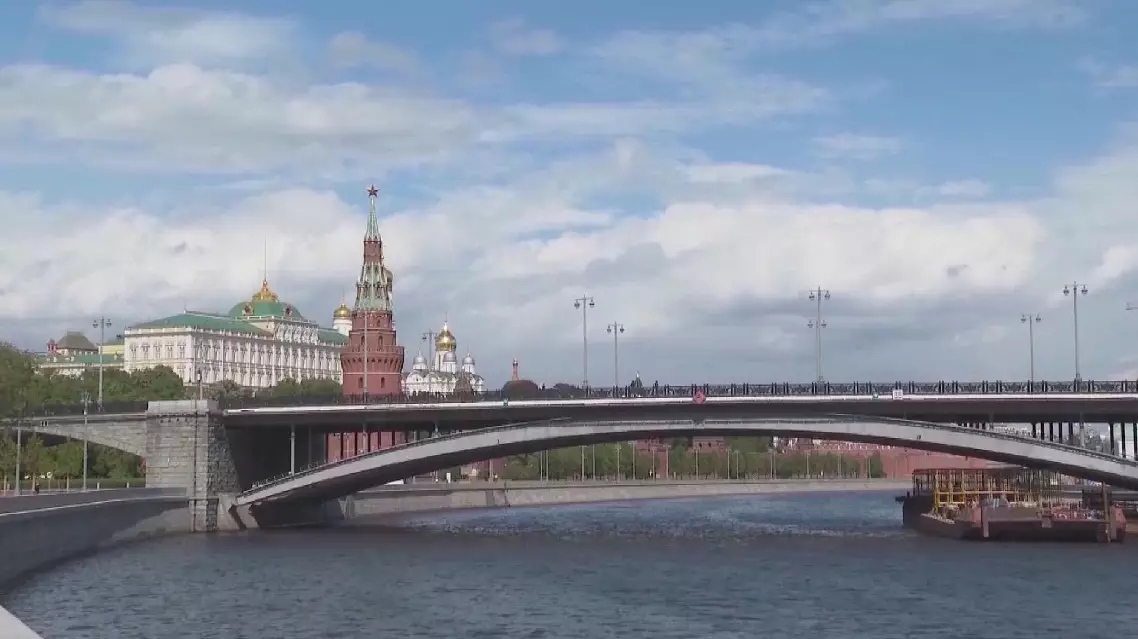
Putin, Trump hold phone call on issues of Iran, Ukraine