Henizat Tohti, a member of the 14th National Committee of the Chinese People's Political Consultative Conference (CPPCC) from northwest China's Xinjiang Uygur Autonomous region, has shifted his focus from cultural relics onto foreign trade and e-commerce when preparing this year's proposals for the upcoming "two sessions."
The "two sessions" are the annual meetings of China's highest organ of state power, the National People's Congress (NPC), and the top political advisory body, the National Committee of the Chinese People's Political Consultative Conference (CPPCC).This year, the third session of the 14th NPC is scheduled to open on March 5, while the third session of the 14th CPPCC National Committee is set to begin on March 4.
Henizat, also general manager of Xinjiang Pomegranate Spiritual and Cultural Media Co., Ltd., has been dedicated to promoting his hometown since he served as the political advisor.
He welcomed everyone to travel to Xinjiang and record memorable moments with videos in 2023, while he suggested establishing a global strategy to tell stories about Xinjiang's cultural relics and put them under the international spotlight in 2024.
"Many of cultural relics and historic sites in Xinjiang are in the form of ruins. When you visit them, you can just see some remains. However, the digital restoration technology, coupled with other technologies, will enable visitor to see the original images of the relics. It plays an important and decisive role in cultural spread. With the digital restoration technology, we can tour the country and even the world to stage our exhibition," said Henizat.
Last year, Henizat participated in more than 20 surveys in over 10 cities and prefectures in Xinjiang, witnessing the effective preservation and utilization of many cultural relics.
However, Henizat turned his eyes to e-commerce and foreign trade this year, as the China (Xinjiang) Pilot Free Trade Zone, which was established in November 2023, has brought unprecedented opportunities for the region to expand opening up westwards.
Prior to his journey to Beijing, Henizat visited Charymuhammet Shallyyev, director of the Central Asia Regional Economic Cooperation (CAREC) Institute, to solicit some advice for his proposals.
"He introduced to me some of the main directions of the institute's development in the Central Asian region, which was highly consistent with some of the content of my own research. I can write my own proposal better referring to the directions he introduced to me," said Henizat.
"I've prepared three proposals. I think this year's two sessions will be more solid than the previous two years', and I will be better-prepared. I will definitely take my best proposals to the two sessions in Beijing this year," he said.
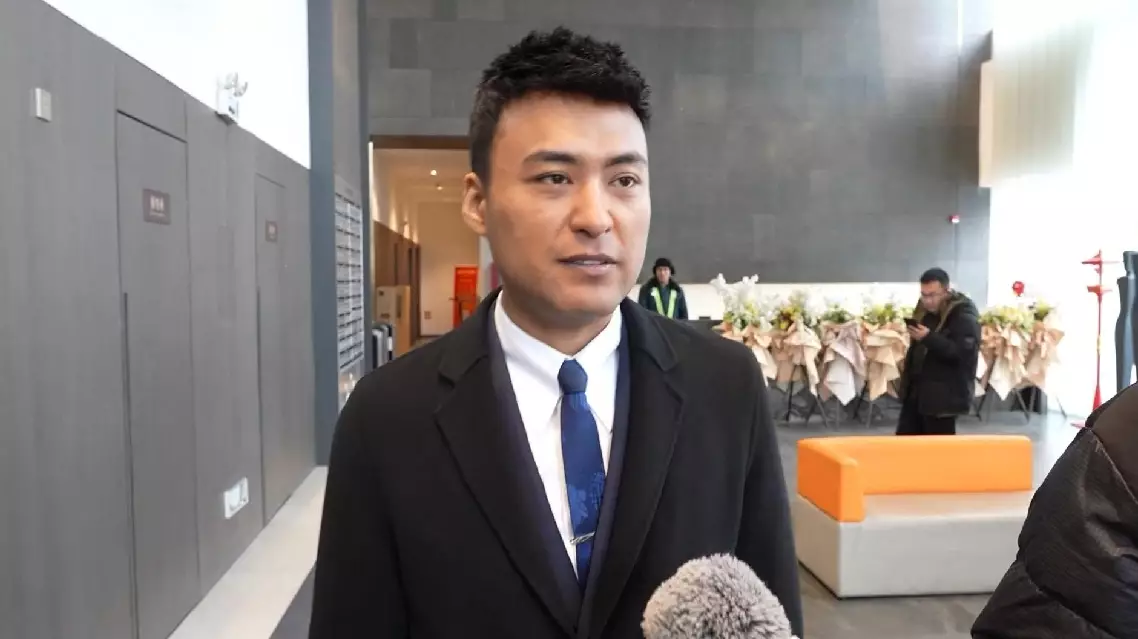
From cultural promotion to e-commerce: CPPCC member's evolving efforts for Xinjiang's development
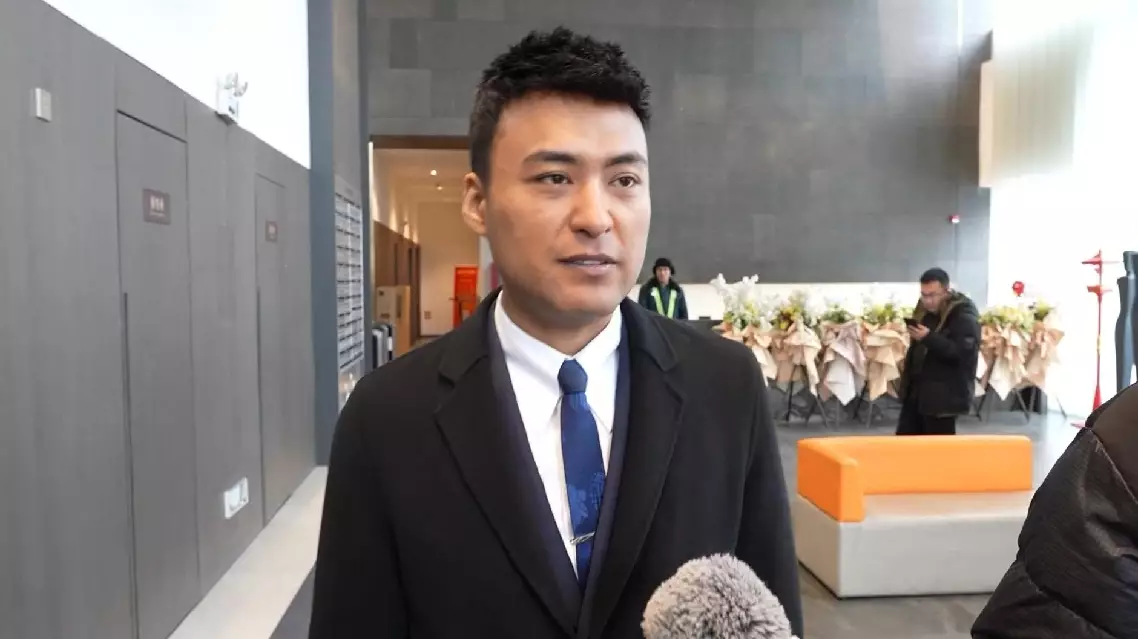
From cultural promotion to e-commerce: CPPCC member's evolving efforts for Xinjiang's development