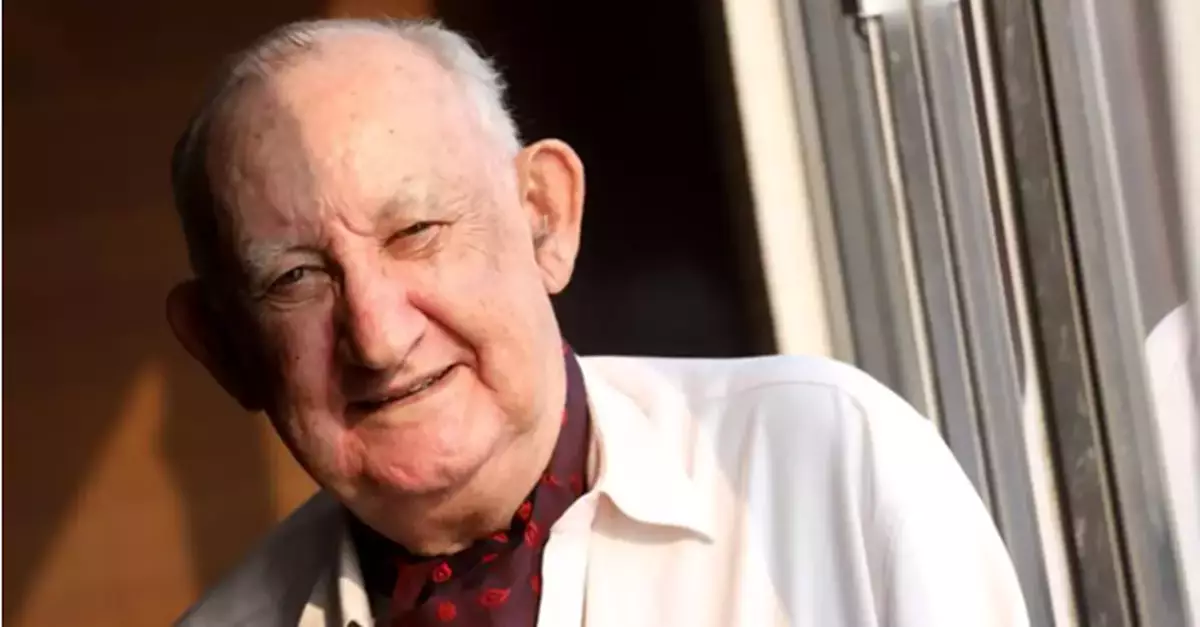
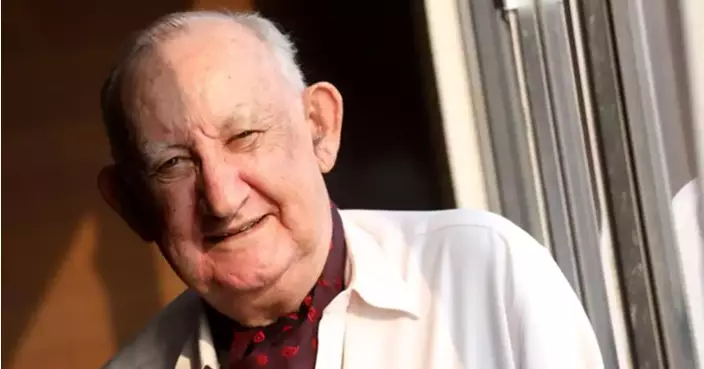
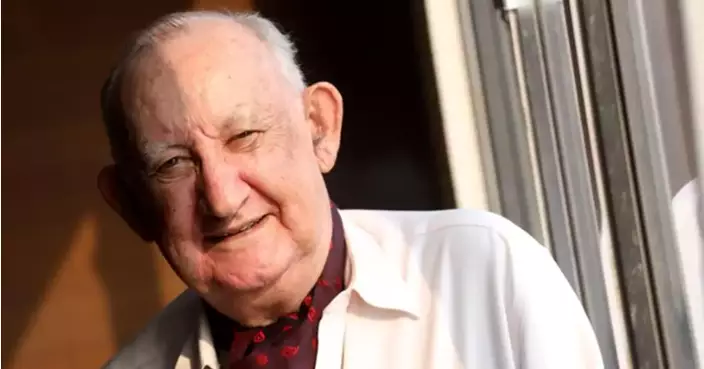
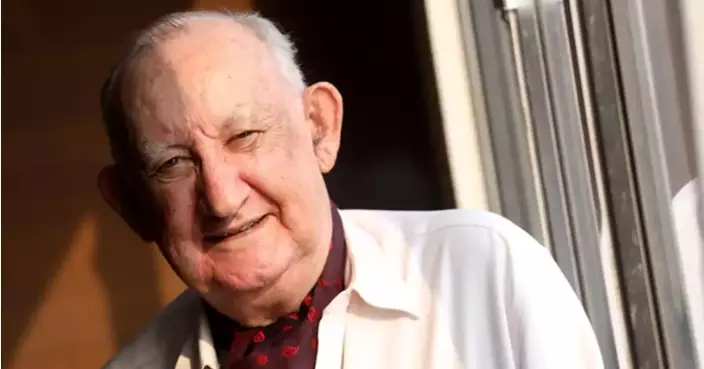
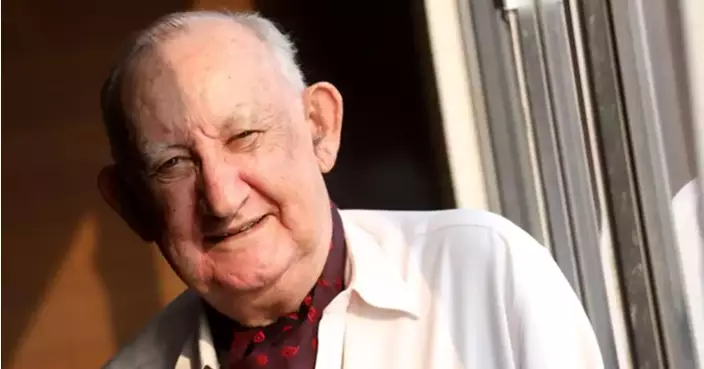
Mark Pinkstone/Former Chief Information Officer of HK government
Hong Kong – the Pearl of the Orient – is on a roll and is rapidly regaining its position as a major tourist destination. Last year it received 44.5 million visitors, an increase of 30.9 per cent over the previous year.
And it started this year with 4.74 million visitors in January, up 24 per cent over the same period in 2024. This is a vast improvement after COVID and the 2019-20 riots which in March 2022 saw an all-time low of only 1,800 visitors.
Tourism is one of the major pillars to Hong Kong’s economy, a point not missed by the Financial Secretary Paul Chan Mo-po when he proposed $1.23 billion for the industry during his budget speech on Wednesday.
In his speech he revealed how things can be done to entice more people to come to Hong Kong and stay longer. For example, he talked of close collaboration within the industry and cited a three-year global strategic partnership agreement with Art Basel to establish immersive experience zones of Hong Kong culture in all four annual Art Basel shows around the world, thus “strengthening Hong Kong’s connection with the global art scene.”
Other ideas to promote distinctive tourism products could include eco-tourism, panda tourism, horse-racing tourism, etc.. Golf was another element. “We will adopt a more strategic approach in continuously attracting sports events which can bring significant economic benefits to Hong Kong and are in discussion with LIV Golf which has been held in Hong Kong for two consecutive years to explore long-term partnership,” he said.
The cruise line business is picking up with some 30 super liners making port calls to Hong Kong last year and bringing in some 330,000 passengers to Hong Kong. This is 12 more cruise liners than in 2023.
The Financial Secretary said he has earmarked resources to strengthen support to the cruise industry, encouraging cruise lines to increase their number of ship calls to Hong Kong, make overnight calls and use Hong Kong as the homeport. “We will provide cruise lines with more concessions to attract cruise ships to berth at the Kai Tak Cruise Terminal during the low season,” he said.
An important part of the industry is MICE – Meetings, Inventive travel, Conventions and Exhibitions – which is expected to bring about 183 000 additional visitors spending about $1.4 billion. Hong Kong has secured the hosting rights of the prestigious Lions International Convention in 2026, one of the world's largest service club events. With an estimated 20,000 attendees from over the globe expected to descend upon the city, this annual gathering of Lions Clubs International members promises to be a truly global and significant event.
The Lions International convention is indicative of the capacity Hong Kong has for hosting major events while catering to a daily flow of about 134,000 visitors from the mainland and other places.
With mainland visitors being our bread and butter and constitute the bulk of arrivals, the Central Government has resumed the multiple-entry Individual Visit Endorsements for Shenzhen permanent residents and expanding the arrangement to Shenzhen residence permit holders. Since the implementation of the new measure, more than 700 000 visitors have travelled to Hong Kong on multiple-entry Individual Visit Endorsements. The Central Government has also increased the duty-free allowance for returnees from Hong Kong to the mainland. This decision is expected to generate at least $17.6 billion for the city’s coffers. On average, mainland visitors spend about 3.1 nights in Hong Kong and spend an average of $5,400 per capita.
But as the Central Government relaxes travel for its citizens, the flood gates open for other destinations, mainly in Southeast Asia, to bid for their business. For Hong Kong to maintain this market, more effort is needed in the service sector to improve their attitude towards our neighbours. Service with a smile… always!
Hong Kong cannot rely heavily on the mainland market; it is too easy because of the help from the Central Government. The second number of visitors come from Southeast Asia, and more can be done to tantalise their interest in Hong Kong.
Mark Pinkstone
** The blog article is the sole responsibility of the author and does not represent the position of our company. **
Without a doubt Hong Kong is a major player in global financial markets, an accolade that is being further enhanced with the city’s rising status as the top arts hub in Asia with global recognition in its sights.
International attention is focused on Hong Kong during March as it hosts a series of art-related events culminating in the world-acclaimed Art Basel Hong Kong 2026. For Hong Kong and, indeed, the art world, this is a major event where outstanding works of art are displayed and sold.
Art Basel Hong Kong kicked off locally in 2013 and has become a prominent flagship on the city’s international calendar every year thereafter. And it brings in thousands of visitors. Last year, for example, it featured 240 galleries from 42 countries and regions, attracting 85,500 visitors, half of which travelled to Hong Kong for the event. Another 240 galleries from Australia, Japan, Turkey, the Netherlands, France, Georgia, Spain and the United States are taking part in the exhibition this year.
A curtain raiser to Art Basel is the home-grown Art Central along the Central harborfront, which featured some 117 galleries with 500 artists from around the world. That makes 357 galleries featured in these two exhibitions this week.
This highlight of Hong Kong’s event calendar is a boon for our tourist industry, attracting several million visitors in a single month. Hotels are booked to capacity and bars and restaurants report an additional 15-20 per cent increase in revenue during the month. Government economists estimate that every 1.5 million tourists add HK$3 billion to Hong Kong’s Gross Domestic Product (GDP).
Since its inaugural edition in 2015, Art Central has established itself as a leading platform for innovation in contemporary art, advancing the profiles of artists and galleries and reinforcing their presence within the international art landscape.
It was Betty Fung Ching Suk-yee, CEO of the West Kowloon Cultural District Authority (WestK) who noted that the cultural industry is closely connected with finance, as family offices are increasingly looking to invest in art in Hong Kong.
“We could also work with financial institutions to encourage more of their clients to become art collectors,” she said. “It’s not going to be overnight, you might first become a member of a museum, then a patron, then you might start to buy or even donate.”
Having already developed a reputation as an art trading centre, the city is now making its mark as an arts and cultural hub, led by the continued development of WestK.
These two art exhibitions are in a place where new talent is discovered. Collectors generally buy art from well established artists like Pablo Picasso, who has a collection of about 30 pieces of his works on display at the Hong Kong Convention and Exhibition Centre. These art pieces are regarded as minor works and can be purchased for several thousand US dollars.
The art market has fully recovered from the declines due to the COVID outbreak and in 2024 sales of art works through auctions and private negotiations reached about US$39 million (HK$300 million).
The art market is full of artists that have yet to gain a following or break into the blue-chip world. Up-and-coming artists often produce top-tier quality works for a fraction of the price of blue-chip pieces because they don’t yet have the name recognition. Up and coming artists who have won competitions organised by the Sovereign Art Foundation and others have made the first step to such recognition.
Knowledge of the art world and art market is helpful, so beginners are not likely to stumble upon the next Andy Warhol. This form of investing is highly speculative compared to investing in old masters or blue-chip work. The exhibition is a showcase for new artists to make their debut to the international buyers and collectors looking for new talent with potential.
Hong Kong’s West Kowloon arts hub has signed agreements with 12 international institutions from Australia, the UK, Saudi Arabia and elsewhere, paving the way for future collaborations as the city seeks to strengthen its role as an East-meets-West cultural hub. This will help bring more international performances to the city, showcase Hong Kong productions to global audiences, support the exchange of talent and more. The agreements were signed during a two-day International Cultural Summit held in conjunction with the cultural festivities.
But the agreement which cements Hong Kong as the arts hub of Asia was that signed by Art Basel of Switzerland to continue holding Art Basel Hong Kong for the next five years.
The collaboration with Art Basel for the next five years is the result of sustained investment in Hong Kong’s role as a global financial centre, collaboration and a shared commitment to make Hong Kong a place where the arts can truly flourish.
Internationally acclaimed artists bring fame to Hong Kong, a melting pot where culture transcends borders. And even without such major events, Hong Kong’s array of galleries along Hollywood Road is a living museum of fine arts, a major tourist attraction in the city.