A top United Nations official has lauded the open-source artificial intelligence (AI) model developed by Chinese start-up DeepSeek for its groundbreaking computational efficiency, while underlining the importance of the UN initiative of Global Digital Compact in using technologies to solve issues around the world.
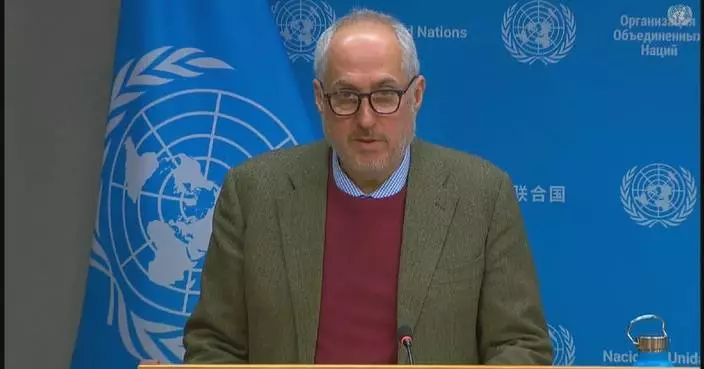
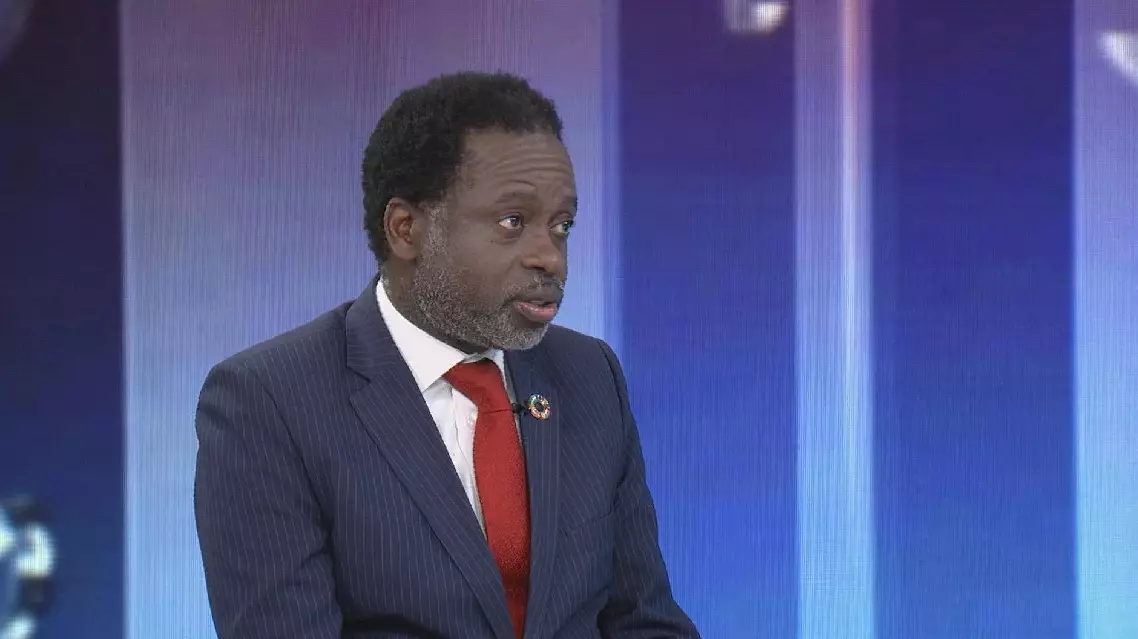
In a studio interview with China Global Television Network (CGTN) in Beijing, Tshilidzi Marwala, the UN under-secretary-general and rector of the UN University, shared his view on DeepSeek and the influence it will have on the global AI ecosystem.
DeepSeek's new model, DeepSeek-R1, has attracted significant global attention since it was released in January, with many hailing how its advanced reasoning capabilities are on par with other leading AI systems such as OpenAI's ChatGPT, but at a fraction of the development cost.
"DeepSeek obviously is cheap, which basically means that it seems that it has been able to crack the computational efficiency dilemma that we seem to have forgotten. I personally actually work in the area of computational efficiency, as we run these large-scale Monte Carlo simulations (a model used to predict the probability of a variety of outcomes) to be able to build better AI, I think DeepSeek reminds us that you can actually make those computationally expensive algorithms cheap without necessarily compromising on the accuracy of the algorithms themselves," Marwala said.
He then emphasized the global implications of DeepSeek's open-source nature, particularly for regions lacking sufficient expertise in AI technology.
"How do we bring the worlds that do not have enough trained people to be able to understand this technology so that they can be able to come and learn about the development of DeepSeek and go out to their countries and develop their own versions of DeepSeek that is able to deal with local issues. So, the issue of the [UN] Global Digital Compact (a comprehensive framework for global governance of digital technology and AI) is very, very important. The issue of cross cultural and international collaboration are very, very important," said Marwala.
UN official hails China's AI model DeepSeek for advancing technological efficiency
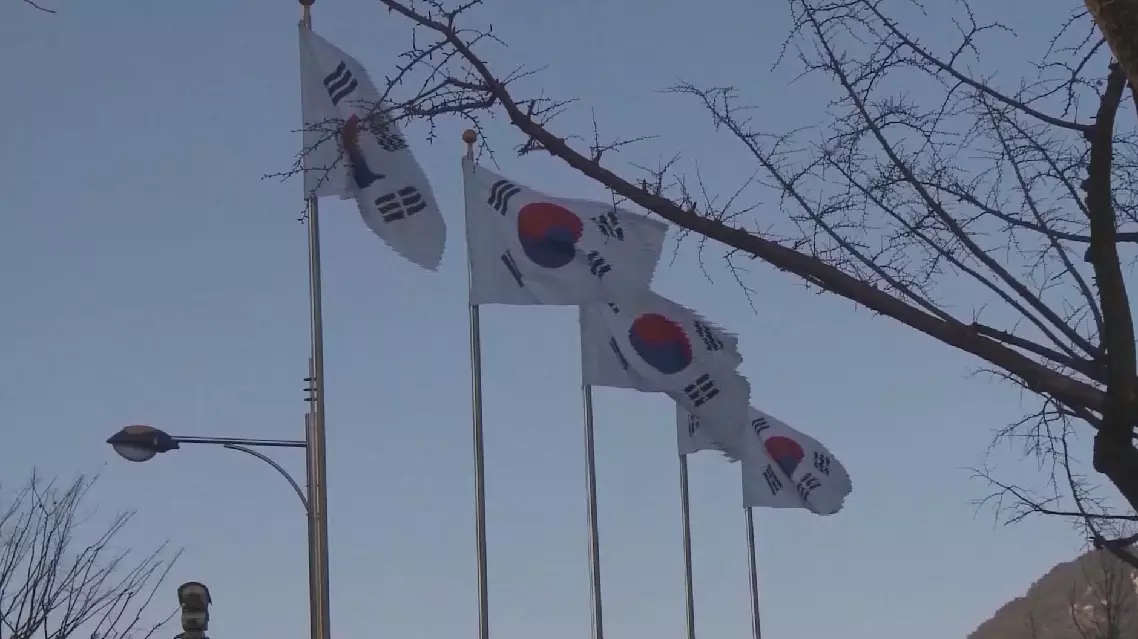
The Republic of Korea (ROK) will implement the tariff agreement with the United States and calmly respond to U.S. President Donald Trump's tariff hike announcement, the presidential office said Tuesday.
Presidential spokesperson Kang Yu-jung told a press briefing that a meeting on trade issues with the United States was held at the presidential office, or the Blue House, to assess the situation over Trump's tariff hike announcement and discuss countermeasures.
Trump said on his social media on Monday that he would increase ROK tariffs on autos, lumber, pharma, and all other reciprocal tariffs from 15 percent to 25 percent, accusing the ROK's legislature of not having enacted a bilateral trade agreement with the United States.
Kang said Seoul planned to convey its commitment to implementing the ROK-U.S. trade agreement to the U.S. side while taking a calm response, as the tariff increases only take effect following administrative procedures in the United States.
It indicated that the ROK would take a measured approach by closely analyzing Trump's true intentions and the background behind his remarks, as his social media posts do not immediately lead to tariff hikes.
The Blue House meeting was also attended via phone by Minister of Trade, Industry and Resources Kim Jung-kwan who is currently in Canada as part of Seoul's special mission for strategic economic cooperation.
Kim will visit the United States after his schedule in Canada to discuss the tariff issues with U.S. Commerce Secretary Howard Lutnick, according to the presidential office.
Yonhap News Agency reported that under a joint fact sheet released after a ROK-U.S. summit held in Gyeongju last October, the United States agreed to lower tariffs on ROK products, including automobiles, in exchange for the ROK making 350 billion U.S. dollars in investments in the United States.
The two sides later signed a joint memorandum on Nov. 14, stipulating that tariff cuts would be applied retroactively from the first day of the month in which relevant legislation was submitted to the ROK parliament to implement the agreement.
The ROK's ruling Democratic Party submitted a special bill on U.S. investment to the National Assembly on Nov. 26, and the United States subsequently retroactively lowered tariffs on ROK automobiles to 15 percent on Dec. 4.
ROK to implement tariff agreement with U.S., calmly respond to Trump's tariff hike announcement