Deputies from China's Taiwan region have expressed strong support for the Government Work Report presented by Premier Li Qiang at the opening of the third session of the 14th National People's Congress (NPC) on Wednesday morning.
In separate interviews with China Global Television Network (CGTN), the deputies highlighted their approval of the section in the report addressing the Taiwan question, including national reunification and cross-Strait exchanges.
"When Premier Li moved to the Taiwan question and China's reunification in the report, all the deputies broke into applause," said Zhou Qi, an NPC deputy from Taiwan.
Deputies from Taiwan also expressed their confidence in the consistency and continuity of the central government's Taiwan policy, which was underscored in Premier Li's report. "We can feel the policy consistency about Taiwan, plus the greater determination to promote exchanges and integration [between Taiwan and the mainland], as well as the stronger resolve to oppose separatism and external interference. We will strive to strength exchanges across the Taiwan Strait," said Zeng Liqun, another NPC deputy from Taiwan.
Deputy Li Xingkui from Taiwan highlighted the broad room for deepening cross-Strait exchanges.
"Currently, there is still considerable room for further deepening and expanding educational exchanges between the two sides of the Taiwan Strait," said Li.
He added vocational schools on both sides of the Strait have a strong desire to carry out such exchanges.
"I noticed that this report mentioned strengthening economic and cultural exchanges between the two sides of the Taiwan Strait, and it emphasized the need to raise it to a higher level," said Deputy Lin Qing from Taiwan.
Lin added direct exchanges will link the hearts and improve the well-being of people on both sides of the Strait.
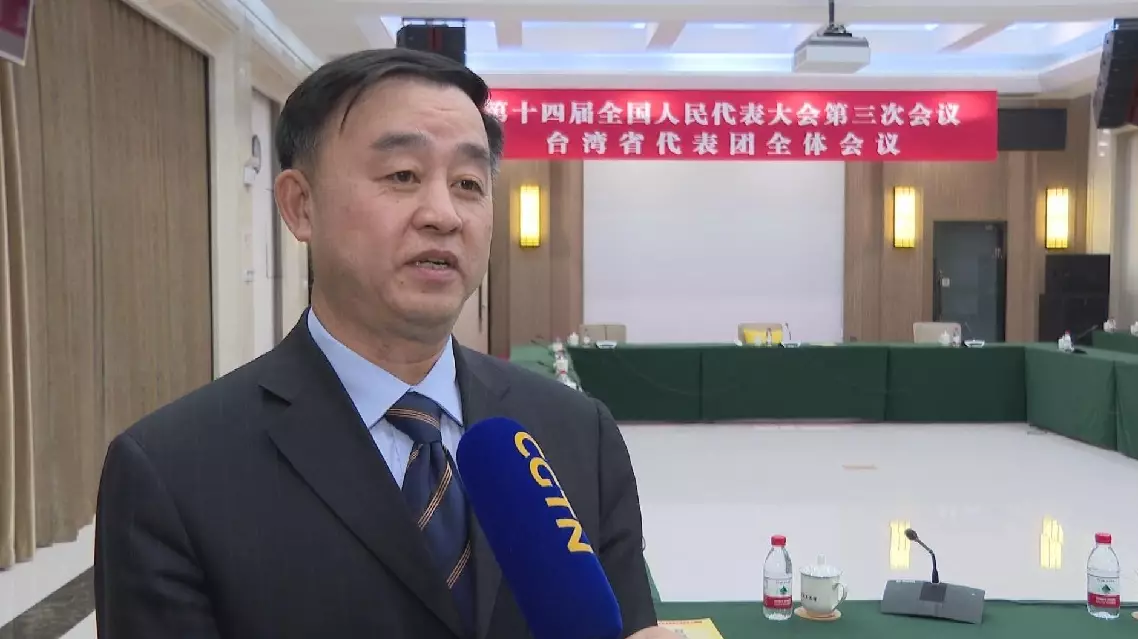
NPC deputies from Taiwan express support for Premier Li's government work report
Nicaragua's co-foreign minister Valdrack Jaentschke has warned that militarism must never be allowed to rise again, as Japan's recent moves to lift its arms export ban and revise the pacifist Constitution continue to draw international concern.
This year marks the 80th anniversary of the opening of the Tokyo Trials, where Japan's Class-A war criminals from World War II were brought to justice.
In an interview with China Global Television Network (CGTN), Valdrack Jaentschke voiced his concern that today's world order is being undermined by interventionism and other challenges.
"It is necessary for us to remember that after the end of World War II, countries worked hard to build a new international order based on international law. However, regrettably, more than 80 years later, we are seeing that this once explored and attempted order is being challenged by interventionism, a confrontational mindset, and tendencies like 'might makes right.' These are precisely the conditions that gave rise to fascism and militarism in the past, which ultimately led to the tragedy of World War II," he said.
He said the international community has a responsibility to pursue a new international order -- one fundamentally grounded in peace.
"Looking back at the history more than eight decades ago and comparing it with today's reality, it is our responsibility to recognize that the world should, and must, build a new international order that is more just, fairer, rooted in international law, based on a logic of mutual benefit and shared success, and fundamentally grounded in peace," said the minister.
"Today, as we revisit the Tokyo Trials, it is meant to remind the world that such a tragedy must never be repeated -- and that we must do everything in our power to prevent it from happening again. We must stop that dark world -- born from militarism, interventionism, and fascism -- from ever returning," he said.
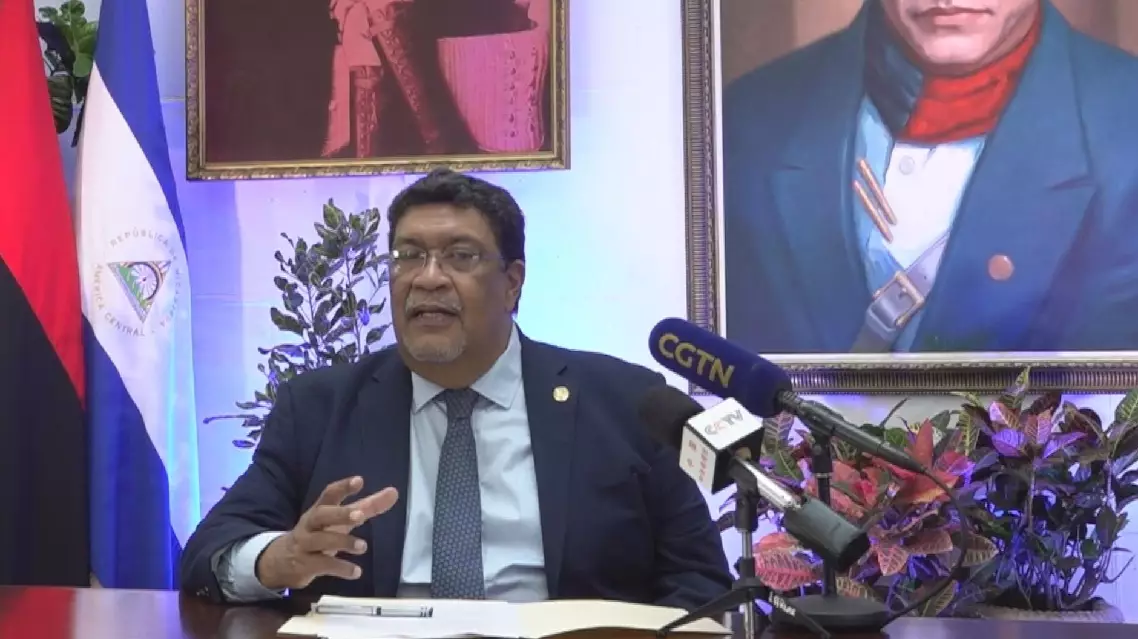
Nicaraguan FM warns of militarism revival