The debt risks faced by local governments in China have been effectively mitigated thanks to the 6-trillion-yuan debt swap program introduced by the central government in November last year, Minister of Finance Lan Fo'an said on Thursday.
Under the program, the debt ceiling of local governments would be raised by 6 trillion yuan (about 828 billion U.S. dollars) over the next three years to replace their existing "hidden debts".
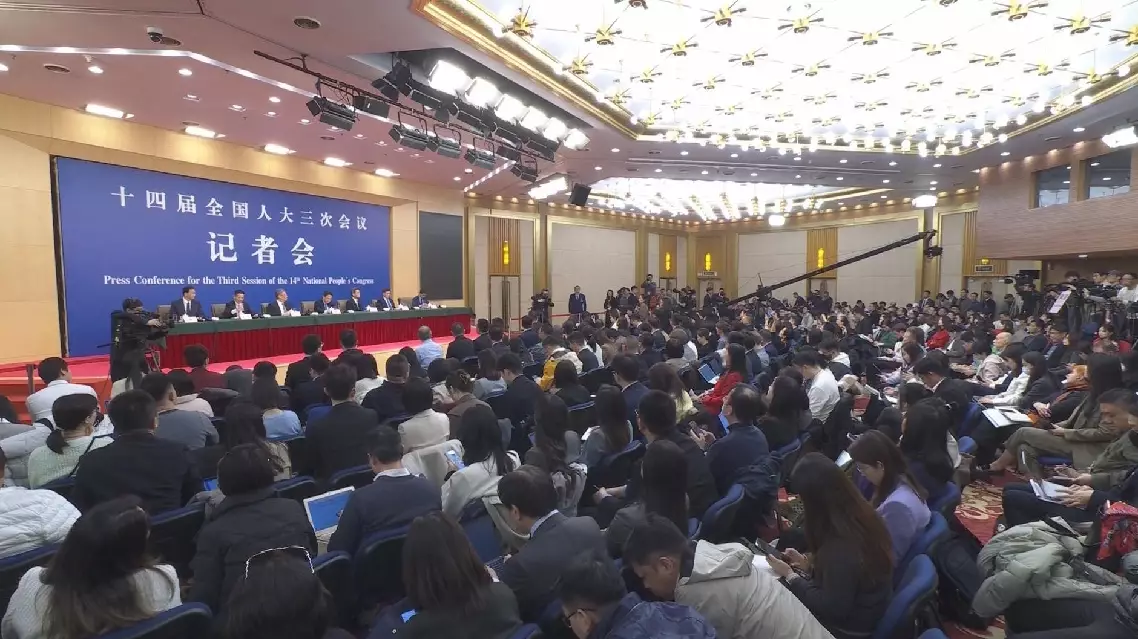
Speaking at a press conference in Beijing on the sidelines of the ongoing third session of the 14th National People's Congress (NPC) -- China's national legislature, Lan highlighted the positive results from the debt swap policy.
"The pressure for local governments to dispose of debts has been greatly alleviated, and their debt risks have been effectively mitigated. As of March 5 this year, local governments had issued a total of 2.96 trillion yuan in bonds to replace their hidden debts. The 2 trillion yuan replacement bonds issued last year have seen interest rates decrease by an average of more than 2.5 percentage points, with some regions seeing even more pronounced declines," Lan said.
"It is expected that the interest on these replacement bonds will decrease by more than 200 billion yuan over five years, significantly alleviating local governments' funding pressures and interest expenses," he said.
The debt swap program has not only alleviated fiscal strain on local governments but also unlocked more financial flexibility for them, according to Lan.
By removing financial bottlenecks, local governments have been better positioned to support technological innovation and small and medium-sized enterprises. Meanwhile, public welfare sectors, including compulsory education, basic pensions and healthcare, have received more stable funding, said the minister.
Lan said the policy has also facilitated the reform and transformation of financing platforms, improving the overall financial environment. In the fourth quarter of last year, the number of financing platforms decreased by 4,680, accounting for more than two-thirds of the total reduction throughout the year.
Moreover, the program has strengthened the asset quality of financial institutions, such as banks, enhancing their ability and willingness to lend. This, in turn, has provided greater support for the real economy, according to Lan.
Local governments' debt risks effectively mitigated: Chinese finance minister