Skip to Content Facebook Feature Image

NPC deputy widens global access to traditional Chinese medicine care

China

China

China

NPC deputy widens global access to traditional Chinese medicine care

2025-03-07 19:26 Last Updated At:19:37

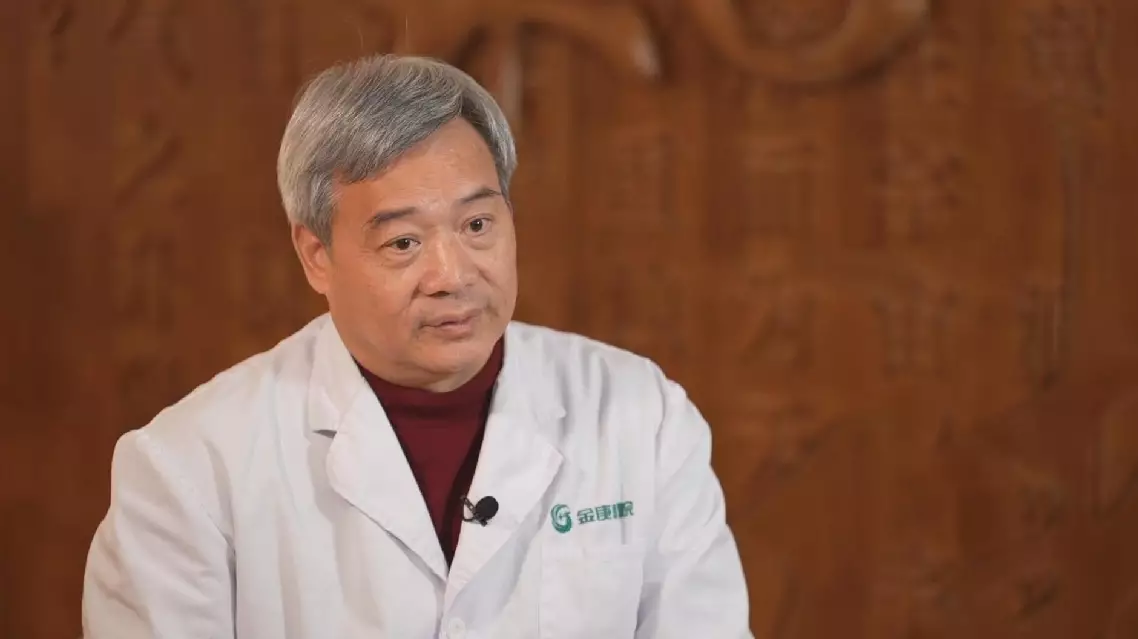
Song Zhaopu, a deputy to the 14th National People's Congress (NPC) and also a practitioner of traditional Chinese medicine (TCM) in central China’s Henan Province, is using his knowledge and experience to contribute to the affordability and global reach of TCM.

Engaged in routine consultations and treatment procedures, Song embodies the essence of TCM, emphasizing holistic care and personalized therapies for his patients.

In a healthcare landscape dominated by Western medicine, Song's pioneering TCM rehabilitation approach has provided hope to over 3,200 children with cerebral palsy.

In modern Western medicine, the odds of curing cerebral palsy are slim. But for 15 years, Song has offered a unique TCM rehabilitation method, free of charge, to over 3,200 children with neurological disorder, earning him the endearing moniker "Angel Grandpa".

"Their smiles are the greatest reward I could ask for," said the doctor.

After being elected as a deputy to NPC, Song has devoted even more attention to broadening TCM's reach among the Chinese population, as evidenced by his advocacy for TCM's role in preventing and treating chronic illnesses during the 2024 NPC session. This year, he stressed the importance of TCM in rural clinics.

"My suggestion this year is to popularize TCM in rural clinics, enabling more people to access TCM up close," said Song.

With government support, TCM's benefits are gaining recognition both at home and abroad. Song's mentorship of international students in TCM reflects a broader effort to share Chinese medical knowledge globally.

Song also emphasized the fusion of traditional wisdom with modern technology.

"For the future development of TCM, it's crucial to combine it with modern technology and introduce AI to TCM," said Song.

Song said AI and other means should be leveraged to extract ancient sages' wisdom and apply it in clinical practice to safeguard the health of the people.
NPC deputy widens global access to traditional Chinese medicine care
NPC deputy widens global access to traditional Chinese medicine care
The Iranian government is focusing on public concerns and maintaining stable supplies of essential goods amid recent protests, Iranian President Masoud Pezeshkian said in a televised interview on Sunday.

In the city of Karaj, northwest of the capital Tehran, daily life has largely continued as normal. A video filmed by a local resident on Sunday shows food stores open and grocery shelves fully stocked.

"This is the block near my home, and there are some food stores here. Daily life continues here. Last night we did not see many protests in Karaj. Right now the city is very safe. This is a grocery store close to my home. All the food is available; nothing is in shortage. Here are noodles and different types of beans. Here are dairy products, cheese, and yogurt. I also checked other grocery stores and didn't see any shortages. Everything is available," said local resident Ali Reza.

Iranian officials have described recent disturbances as acts orchestrated by the "enemy," including some carried out by well-trained and armed "terrorists." The incidents have caused casualties among security personnel and civilians, as well as property damage.

The Secretary of Iran's Supreme National Security Council Ali Larijani has directed authorities to severely punish the "terrorists."

Meanwhile, Iran's police chief Ahmad-Reza Radan said on Sunday that the police had raised alert levels and arrested several leaders of the troublemakers during the operations on Saturday.

President Pezeshkian noted in the interview that the normal demands of the Iranian people are reasonable and justified, but they must realize that triggering riots and carrying out terrorist acts are the enemy's attempts to undermine the country. He urged the public to remain vigilant.

Also on Sunday, Iranian Parliament Speaker Mohammad Baqer Qalibaf warned that Tehran would regard U.S. and Israeli bases and facilities in the Middle East as "legitimate targets" if Washington takes military action against Iran. His remarks followed media reports saying U.S. President Donald Trump is "seriously considering authorizing a strike" against Iran.

Iranian state media reported that at least 109 members of Iran's security forces have been killed in clashes since the protests began 14 days ago. Meanwhile, human rights groups based outside the country said the number of protesters killed has exceeded 200, though the figure could not be independently verified.

The protests initially erupted over a sharp depreciation of the rial and sweeping subsidy reforms. Iranian authorities have blamed the unrest on foreign-linked agents and sanctions imposed by the United States.

Iranian president says government focusing on ensuring supplies amid protests

Iranian president says government focusing on ensuring supplies amid protests

Recommended Articles