Northeast China's Tianjin, the host city of the Shanghai Cooperation Organization (SCO) summit this autumn, has been actively promoting cooperation in vocational education with other SCO states.
As the largest port city in northern China, Tianjin plays a crucial role in trade with many countries in the SCO, a Eurasian regional organization founded on the "Shanghai Spirit" of mutual trust, mutual benefit, and pursuit of common development.
Tianjin's import and export volume with SCO countries in the first 11 months of 2024 reached 80.9 billion yuan (about 11.16 billion U.S. dollars), accounting for 10.95 percent of the city's total trade, up 21 percent year on year. The range of import and export product categories includes electromechanical goods, steel, motor vehicles, offshore engineering platforms and new energy batteries.
As the birthplace of China's Luban Workshops, the city also plays a major role in education cooperation within the regional organization. Named after an ancient Chinese craftsman, these vocational workshops provide vital skills training for numerous people from SCO member states. "When I came here, I saw a lot of new technologies," said Daulatov, a Luban Workshop student from Tajikistan, highlighting machines in the workshop that automate arduous tasks that are still done manually in many countries.
The Tajikistan Luban Workshop, jointly established by China and Tajikistan, was inaugurated in the capital Dushanbe in 2022. Daulatov enrolled in the workshop to pursue his studies. Through a project-based teaching model, along with localized teaching materials and advanced training equipment, he has mastered expertise in urban thermal energy application technology.
In 2024, Daulatov visited China for a two-year training program that gave him the opportunity to learn about cutting-edge operational methods.
"Luban student teachers help us how to use it, how to work with tools because some kinds of tools I have never seen. It's really useful for the future," said Daulatov.
The Luban Workshop in Tajikistan has trained more than 1,500 skilled personnel in the fields of urban thermal energy and engineering surveying, helping to address the shortage of technical and skilled workers in Tajikistan's modernization efforts.
"During our research into the local economy of Tajikistan, we identified social needs in areas like mining and bridge repair, along with various application scenarios at construction sites. Graduates from the Luban workshop have served as technical backbones in these places," said Li Qingbin, a staff member at Tianjin Urban Construction Management and Vocation Technology College.
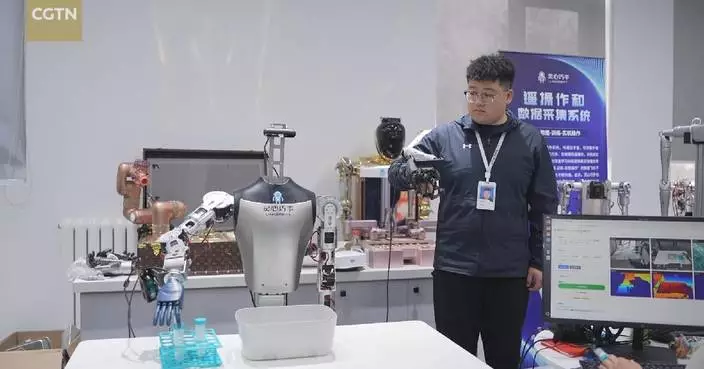
Tianjin has set up nine Luban Workshops across eight SCO countries. These workshops have introduced 20 international programs in areas such as industrial robots, new energy and the Internet of Things in accordance with local development needs, training tens of thousands of technical and skilled talents for the SCO countries and helping young people find employment.
Founded in 2001, the SCO now has 10 full members, two observer countries and 14 dialogue partners.

Tianjin provides vocational skills training for SCO states
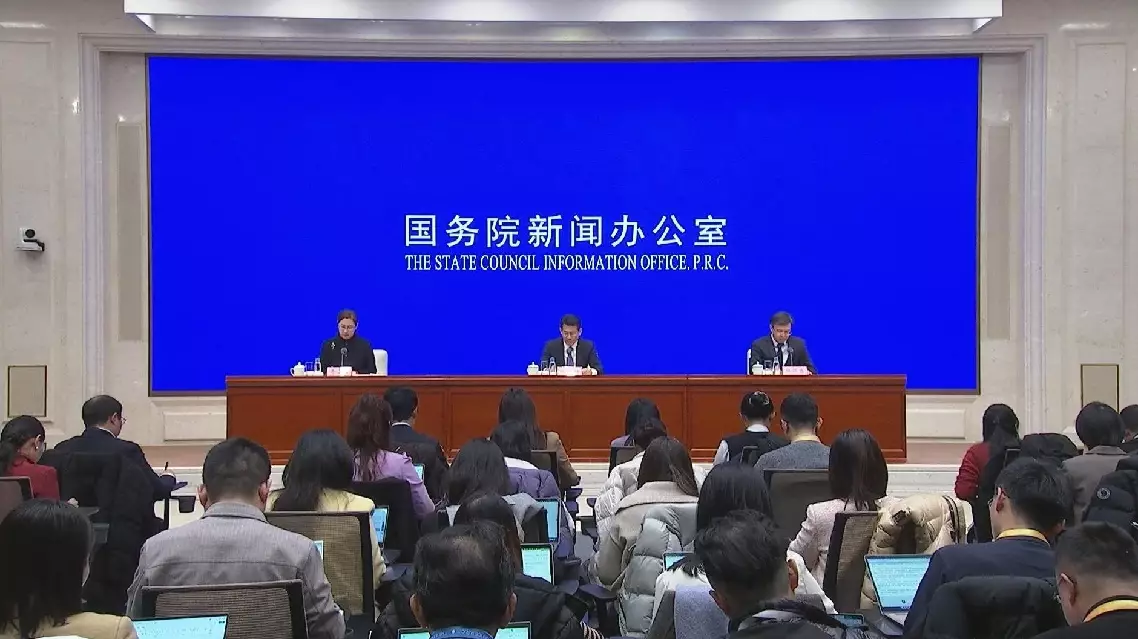
China will take more effective measures to improve people's wellbeing, especially in education, healthcare, and social security, an official said Thursday in Beijing at a press conference on the interpretation of this year's government work report, which was submitted to the national legislature for deliberation earlier in the day.
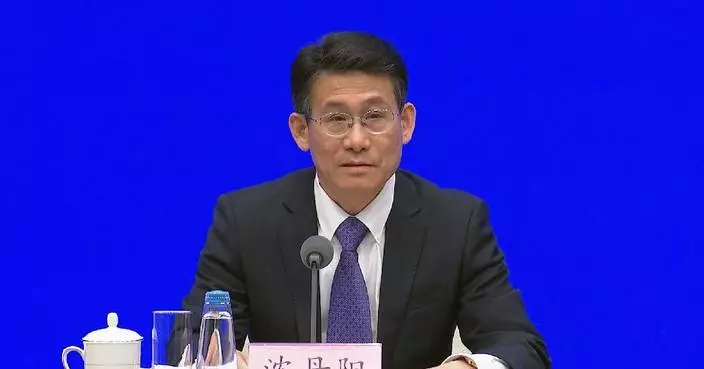
Shen Danyang, head of the government work report drafting team and director of the State Council Research Office, said centering on enhancing educational equity and quality, the report made arrangements for education at all educational stages and of all types.
"Regarding preschool education, the policy of free education in the year prior to entering primary school will continue to be implemented this year, which is commonly referred to as free admission to the senior class of kindergartens. So, how can the income reduction of kindergartens be addressed? Subsidies will be provided by both the central and local governments, with the central government taking the lion's share. This year, the funds allocated to support the development of preschool education will increase significantly by 37.8 percent to ensure the implementation of the beneficial policy," he said.
Regarding senior high school education, Shen said the report stated that the supply of regular senior high school places will be increased,
Specifically, for areas with a continuous net inflow of population, a number of regular high schools will be planned and constructed on an annual basis. For regions with a temporary shortage of school places, priority will be given to the renovation and expansion of existing teaching buildings, student dormitories and canteens, he said.
Shen said the report put forward many supportive measures in healthcare.
"For instance, it urged efforts to strengthen coordination in drug use at the grassroots level, which mean improving the list of essential drugs, and optimizing the channels for drug supply and drug use coordination between upper- and lower-level medical and health institutions to make it more convenient for the public to use drugs at their doorstep. Besides, the report has made arrangements for supporting the development of innovative drugs for the third consecutive year. This year, China will strengthen the coordination of supportive policies in an all-round way, further address issues such as the barriers facing innovative drugs entering hospitals, and better meet the diverse medical and medication needs of the people," he said.
In terms of social security, Shen said the report proposed to continue raising the minimum standard of basic pensions for urban and rural residents -- a policy will benefit over 180 million elderly people.
"The central government will allocate 1.25 trillion yuan (about 181.25 billion U.S. dollars) in subsidy funds to ensure the timely and full payment of pensions. In response to the insufficient protection of the rights and interests of people engaging in new occupations, the report proposed to steadily and orderly expand the scale of the pilot program for occupational injury insurance. This year, the policy will cover 31 provincial-level regions across the country and the Xinjiang Production and Construction Corps. Meanwhile, enterprises specializing in travel, instant delivery and intra-city freight delivery will be included in the pilot program, which will ensure the safety of more laborers, such as food delivery workers and online car-hailing drivers," he said.
China to improve people's wellbeing in education, healthcare, social security: official