The annual work report of China's Supreme People's Court highlighted major legal cases from the past year on Saturday, with the court's focus on combating corruption, protecting vulnerable groups, and upholding social order.
The work report was delivered by Zhang Jun, president and chief justice of Supreme People's Court, during the second plenary meeting of third session of 14th National People's Congress (NPC) in Beijing.
In the report, major cases mentioned were the crackdown on corruption within Chinese football circle in 2024. Several high-ranking officials faced severe penalties, including Du Zhaocai, former deputy head of the General Administration of Sport of China, with a 10-year sentence in prison, Chen Xuyuan, former head of the Chinese Football Association (CFA), with a life imprisonment, and Li Tie, former head coach of China's national men's football team, with a 20-year sentence in prison.
By doing so, the Supreme People's Court intends to severely punish corruption and promote the healthy development of the sports industry.
Another significant case mentioned in the report was that of Yu Huaying, who was sentenced to death, for trafficking 17 children.
Before then, the report said, the case went through a retrial ruled by the Guizhou Provincial High People's Court. The final sentence was ultimately upheld to provide a measure of relief and solace to the victims and their families. Yu was executed on Feb 28, 2025, following the Supreme People's Court's approval.
The work report also underlined the Supreme People's Court's commitment to protecting citizens' privacy and safeguarding vulnerable populations.
The Supreme People's Court stressed its commitment to punishing crimes that violate personal privacy. The report underlined the case of hidden camera installed in multiple hotel rooms by a suspect surnamed Shi, who was sentenced to 10 years in prison for installing hidden-camera along with his companies.
In a case of widespread fraud, 980,000 elderly individuals were defrauded of over 3.4 million yuan (about 470,000 U.S. dollars) through unauthorized phone charges. The main perpetrator surnamed Ou was sentenced to 12 years in prison for theft in a move the court described as "protecting the elderly."
The work report also included the first case that "professional business closers" should take the responsibility of liquidation to pay off the debt due to business closure. A "professional business closer" is one who is appointed to close a specific business. The closer files a false liquidation report and gets the business deregistered, which would later make creditors, or consumers, unable to receive compensation.
The court has decided that this kind of act is a malicious deregistration, and that the 'professional business closer' is helping the business to escape debt.
In addition, the report also detailed a traffic accident case where a pedestrian who ran a red light collided with an e-bike rider, causing the rider to be fatally struck by a car. The court ruled that the car driver, who was driving safely and could not avoid the collision, was not liable. The pedestrian, surnamed Zhou, was convicted of causing the traffic accident. The Supreme People's Court stated that the ruling balanced legal principles and compassion in an effort to promote the spirit of socialist rule of law.
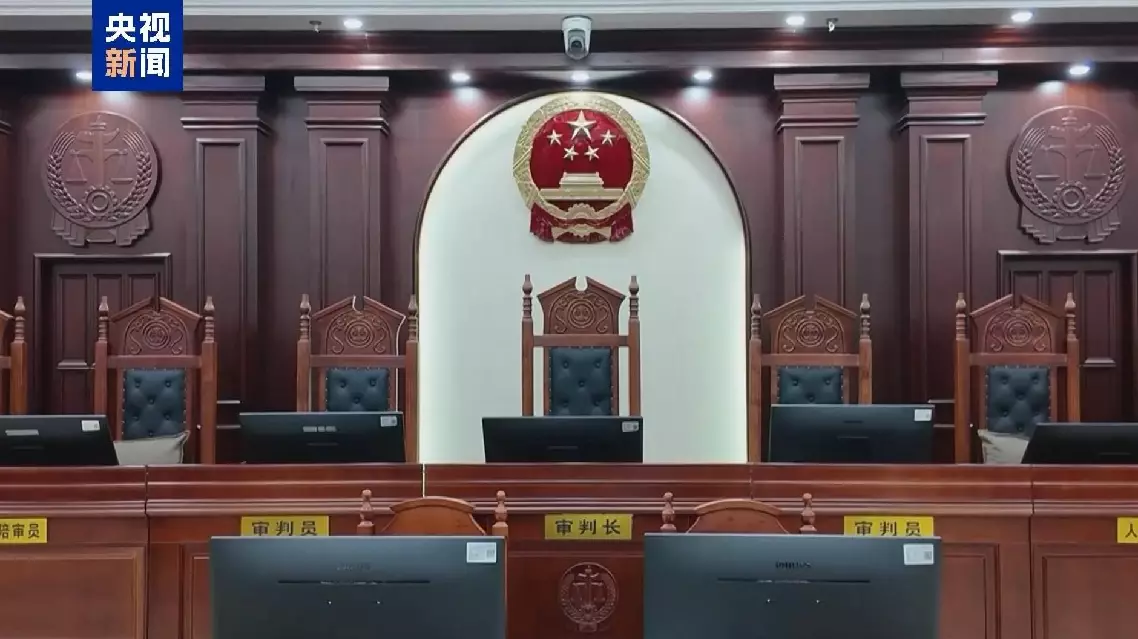
China's Supreme People's Court highlights key cases in annual report