If you listen to some self-proclaimed exercise experts on social media, they swear that working out on an empty stomach burns more fat.
But it’s a common misconception that exercising in a fasted state improves performance or burns more calories, said Abby Langer, a dietitian in Toronto.
“The research shows that in terms of gains, it doesn’t really make much of a difference,” she said.
Does that mean you should load up on protein and carbs right before a workout? No, that’s not true either.
Here’s a look at when — and how — you should eat, before, after or even during a workout. (And remember, experts say what you eat is more important than when you eat.)
The calories in food literally are energy, so you need them to fuel your body for a proper workout. Eating too much too soon beforehand, though, can be problematic.
Exercising diverts blood from organs including the stomach to the muscles, said Langer, author of “Good Food, Bad Diet.” So exercising on a full stomach affects the digestive process, which could cause cramping or even make you feel sick.
That’s particularly the case with meals high in fat, protein or fiber, which take longer to digest than carbohydrates. Langer recommends eating a high ratio of carbs beforehand and waiting two to three hours before intense exercise.
“You don’t want to eat a big steak an hour before you play hockey,” she said.
If you exercise first thing in the morning or before dinner, it’s OK to have a carb-rich snack like a banana with peanut butter or yogurt with fruit beforehand. It will give you the energy to perform well, and you can fuel up afterward with a full meal.
That steak may serve you better afterward because that’s when a higher ratio of protein is easier to digest, said Krista Austin, a physiologist in Colorado Springs.
Austin said if it will be an hour or longer before you can have a full meal, it’s better to have a high-protein snack in the meantime to help curb your appetite. The reason has little to do with muscle recovery or nutrient absorption: Rather, people who are too hungry make poor dietary choices.
“A lot of people get very hungry about an hour after exercise, and you don’t want to do that,” said Austin, author of “Performance Nutrition: Applying the Science of Nutrient Timing.” “You want to catch it early, or you go and overeat.”
But it’s another myth that you need to grab a protein shake within minutes of finishing to build the biggest muscles, Langer said.
Many exercise enthusiasts point to what’s known as an “anabolic window” of about an hour within exercising that the body is primed to repair muscle. For the average person, you have a much longer window, and nutrient timing is less important than making sure you consume some protein at every meal, Langer said. The body needs a continuous supply of amino acids like protein for muscle repair and maintenance, she said, which means about 25 to 30 grams at every meal, depending on various factors.
“Prioritizing that will help with goals, either muscle building, satiety, weight loss, all of that,” Langer said.
Most people who are eating enough throughout the day don’t need anything during a workout. Langer and Austin said the threshold is about an hour of intense exercise. Longer than that — say you're training for a marathon — and you can benefit from a carb-rich snack in the middle.
Instead of focusing on when to eat, Austin said to focus on what and how much. She cautioned against overcomplicating the topic and recommended following the USDA’s My Plate recommendations for a balanced diet.
“The biggest thing we need to teach people is that nutrition is simple,” she said. “Maybe you need to stop focusing on the concept of nutrient timing and just make sure that you’re consistently eating throughout the day and focus on health.”
EDITOR’S NOTE: Albert Stumm writes about wellness, food and travel. Find his work at https://www.albertstumm.com
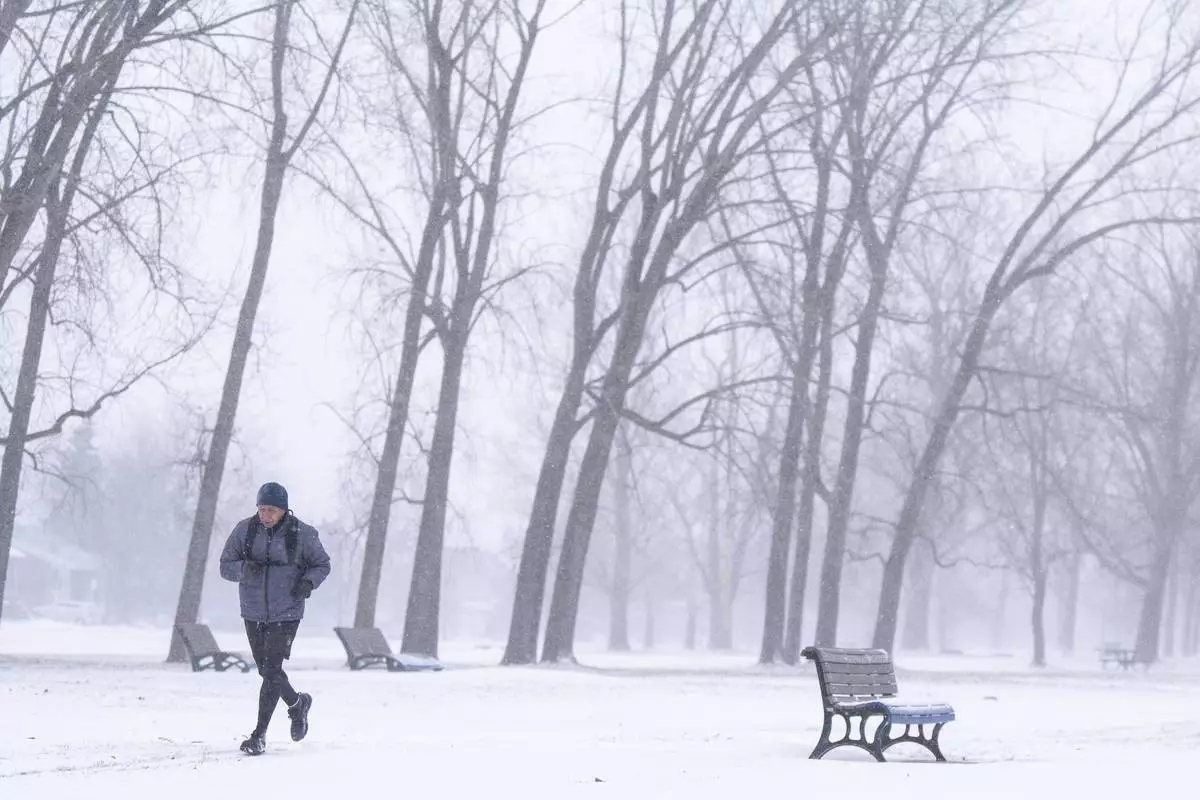
FILE - A man jogs through a park in Montreal, Wednesday, Jan. 8, 2025. (Christinne Muschi/The Canadian Press via AP, File)
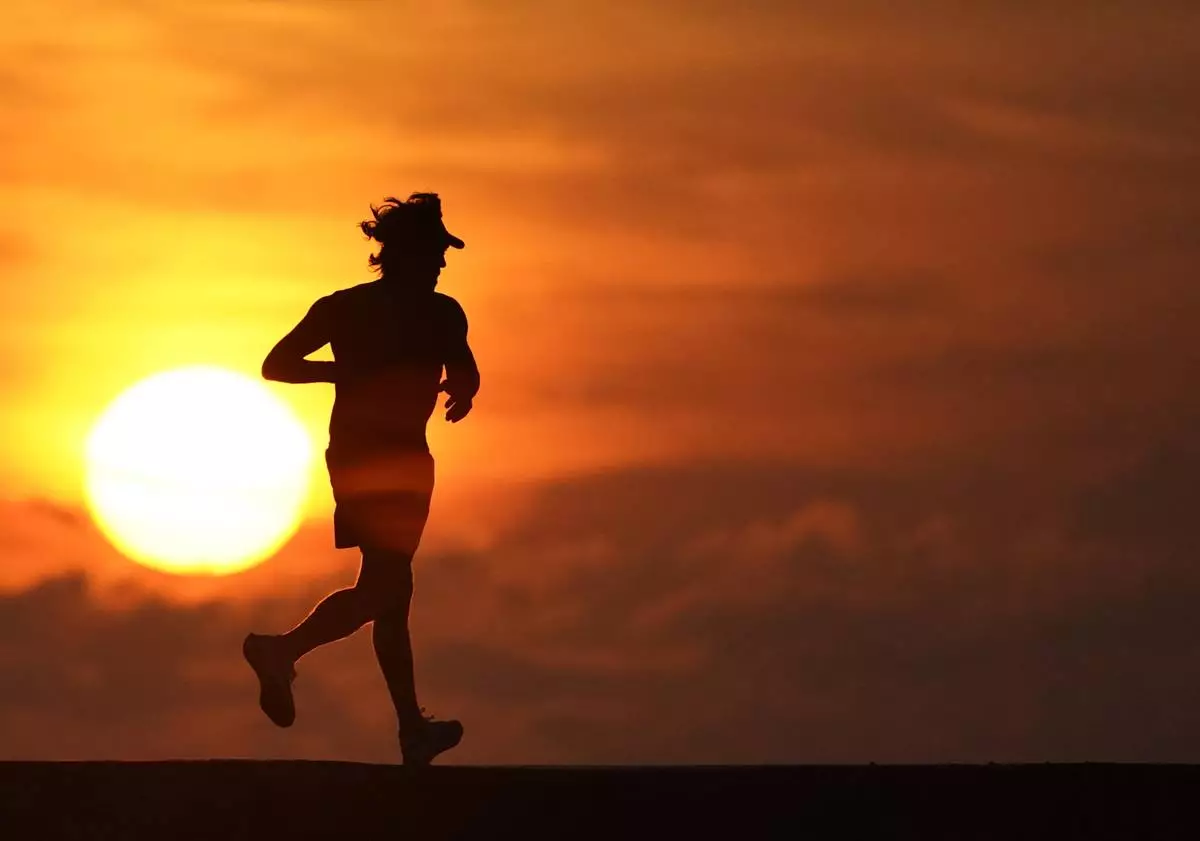
FILE - A jogger is silhouetted while running on a jetty at sunrise over the Atlantic Ocean in Bal Harbour, Fla., on Sept. 19, 2020. (AP Photo/Wilfredo Lee, File)
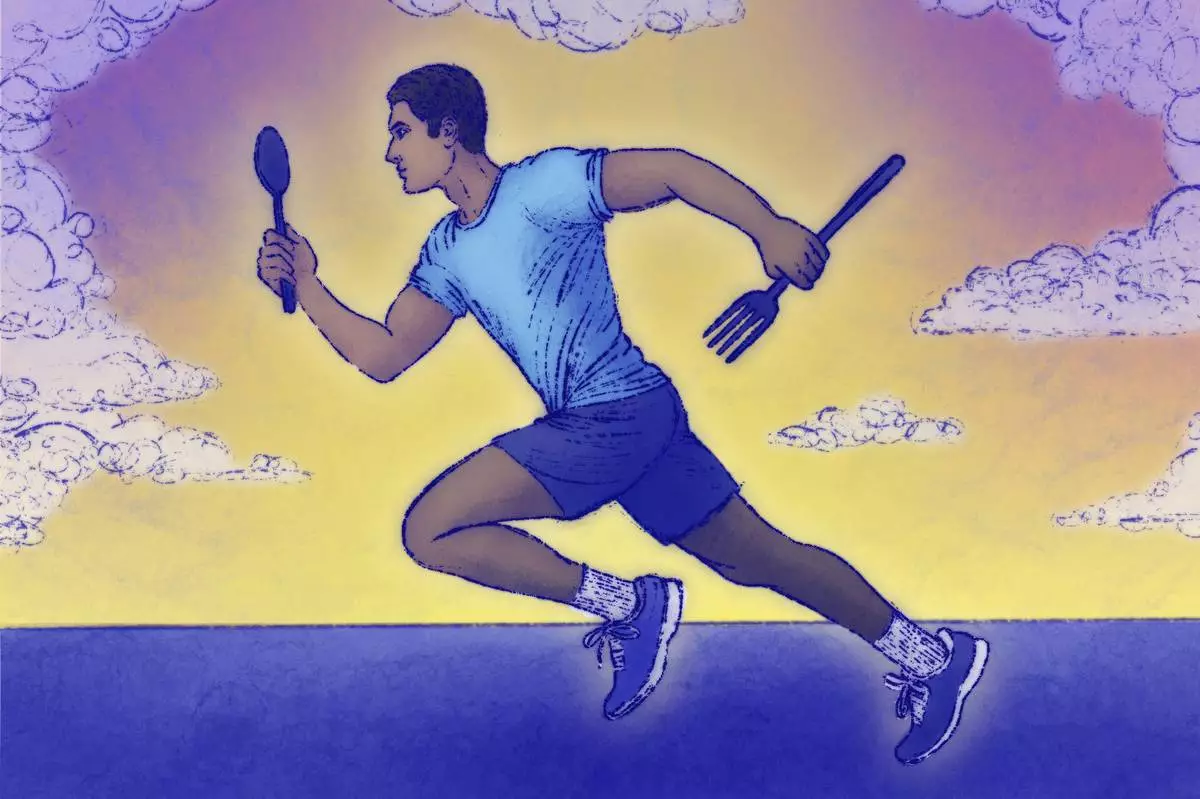
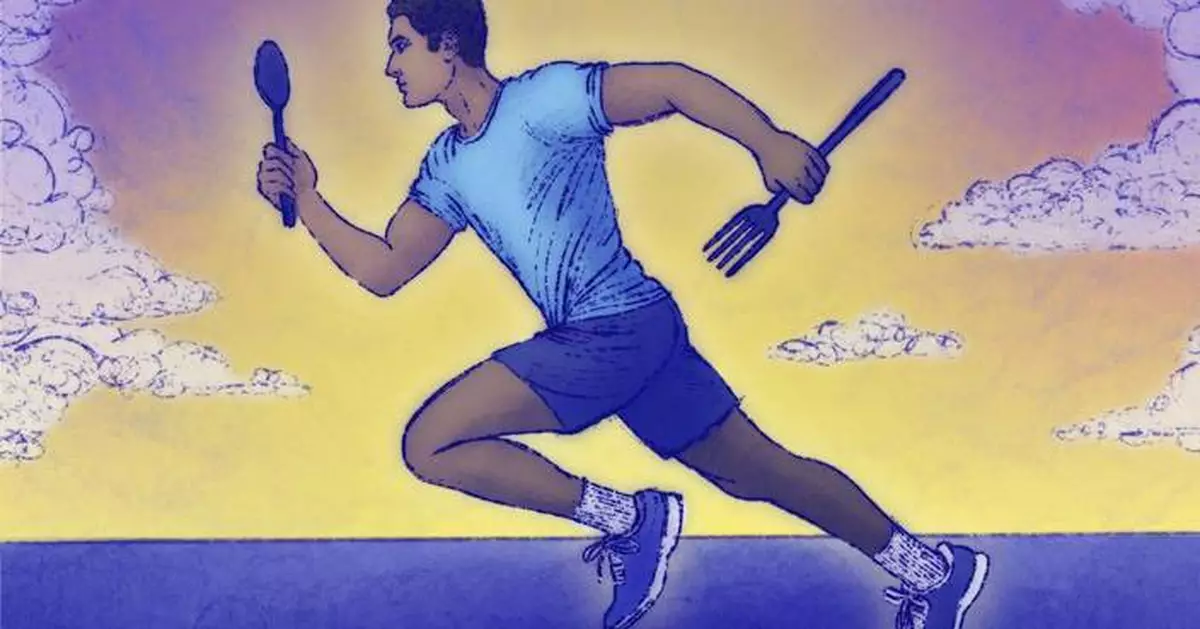
(AP Illustration / Peter Hamlin)
SURIN, Thailand (AP) — Fighting raged Saturday morning along the border of Thailand and Cambodia, even after U.S. President Donald Trump, acting as a mediator, declared that he had won agreement from both countries for a ceasefire.
Thai officials have said they did not agree to a ceasefire, and Cambodia has not commented on Trump’s claim. Its defense ministry instead said Thai jets carried out airstrikes Saturday morning. Cambodian media reported Trump’s claim without elaborating.
Thai Foreign Minister Sihasak Phuangketkeow said Saturday that some of Trump's remarks didn't “reflect an accurate understanding of the situation.”
“We regret and we're disappointed that some of the points made by President Trump have bearing upon the feeling of the Thai people, Thailand, because we consider ourselves — we are proud, in fact — to be the oldest treaty ally of the United States in the region," he said.
The latest large-scale fighting was set off by a skirmish on Dec. 7 that wounded two Thai soldiers and derailed a ceasefire promoted by Trump that ended five days of earlier combat in July over longstanding territorial disputes.
The July ceasefire was brokered by Malaysia and pushed through by pressure from Trump, who threatened to withhold trade privileges unless Thailand and Cambodia agreed. It was formalized in more detail in October at a regional meeting in Malaysia that Trump attended.
About two dozen people have officially been reported killed in this past week’s fighting, while hundreds of thousands have been displaced on both sides of the border.
The Thai military acknowledges 11 of its troops have been killed, while estimating there have been 165 fatalities among Cambodian soldiers. Cambodia has not announced military casualties, but has said at least 11 civilians have been killed and 76 wounded.
Trump on Friday, after speaking to Thai Prime Minister Anutin Charnvirakul and Cambodian Prime Minister Hun Manet, had announced an agreement to restart the ceasefire.
“They have agreed to CEASE all shooting effective this evening, and go back to the original Peace Accord made with me, and them, with the help of the Great Prime Minister of Malaysia, Anwar Ibrahim,” Trump said in his Truth Social post.
Trump’s claim came after midnight in Bangkok. Thai Prime Minister Anutin had after his call with Trump said he had explained Thailand’s reasons for fighting and said peace would depend on Cambodia ceasing its attacks first. The Thai foreign ministry later explicitly disputed Trump’s claim that a ceasefire had been reached. Anutin's busy day on Friday including dissolving Parliament so new elections could be held early next year.
Cambodian Prime Minister Hun Manet, in comments posted early Saturday morning, also made no mention of a ceasefire.
He said he held phone conversations on Friday night with Trump, and a night earlier with Malaysia’s Prime Minister Anwar Ibrahim, and thanked both “for their continuous efforts to achieve a long-lasting peace between Cambodia and Thailand.”
“Cambodia is ready to cooperate in any way that is needed,' Hun Manet wrote.
Thailand has been carrying out airstrikes on what it says are strictly military targets, while Cambodia has been firing thousands of medium-range BM-21 rockets that have caused havoc but relatively few casualties.
BM-21 rocket launchers can fire up to 40 rockets at a time with a range of 30-40 kilometers (19-25 miles). These rockets cannot be precisely targeted and have landed largely in areas from where most people have already been evacuated.
However, the Thai army announced Saturday that BM-21 rockets had hit a civilian area in Sisaket province, seriously injuring two civilians who had heard warning sirens and had been running toward a bunker for safety.
——
Peck reported from Bangkok. Sopheng Cheang in Serei Saophoan, Cambodia, and Matthew Lee in Washington contributed to this report.
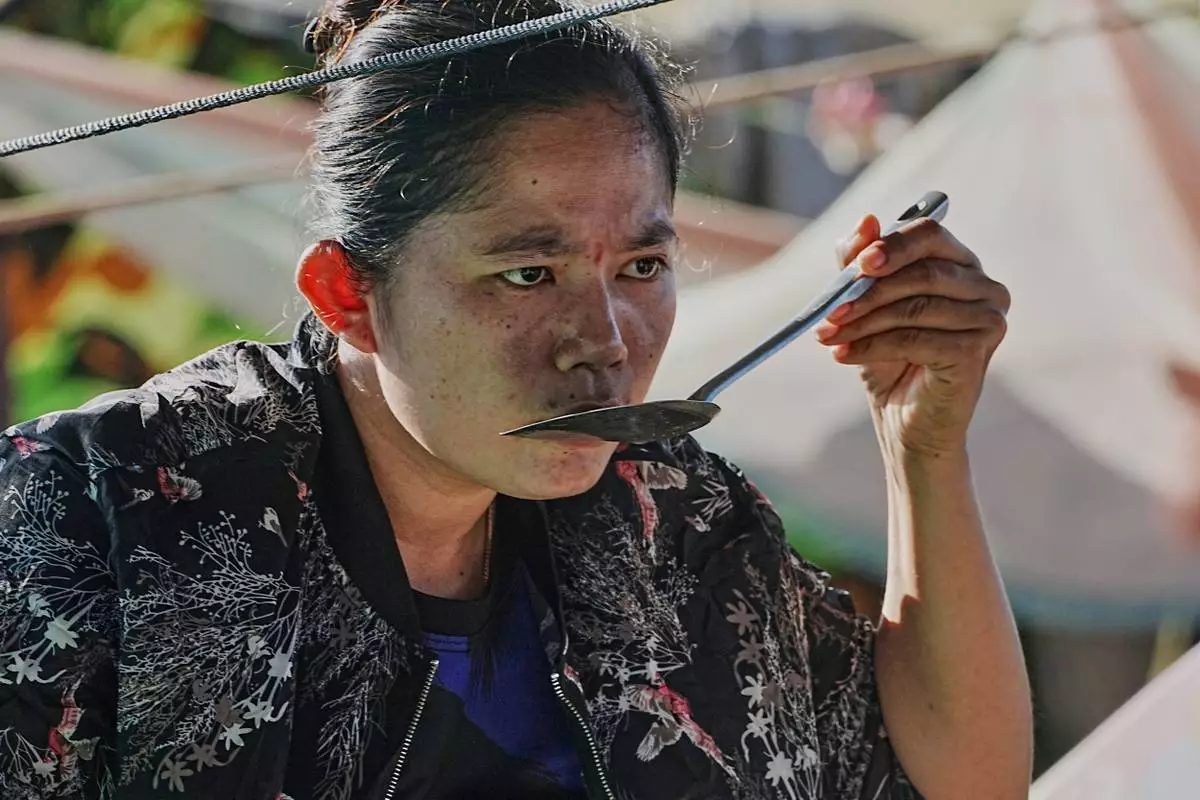
An evacuee tastes soup as she takes refuge in Banteay Menchey provincial town, Cambodia, Saturday, Dec. 13, 2025, after fleeing from home following fighting between Thailand and Cambodia. (AP Photo/Heng Sinith)
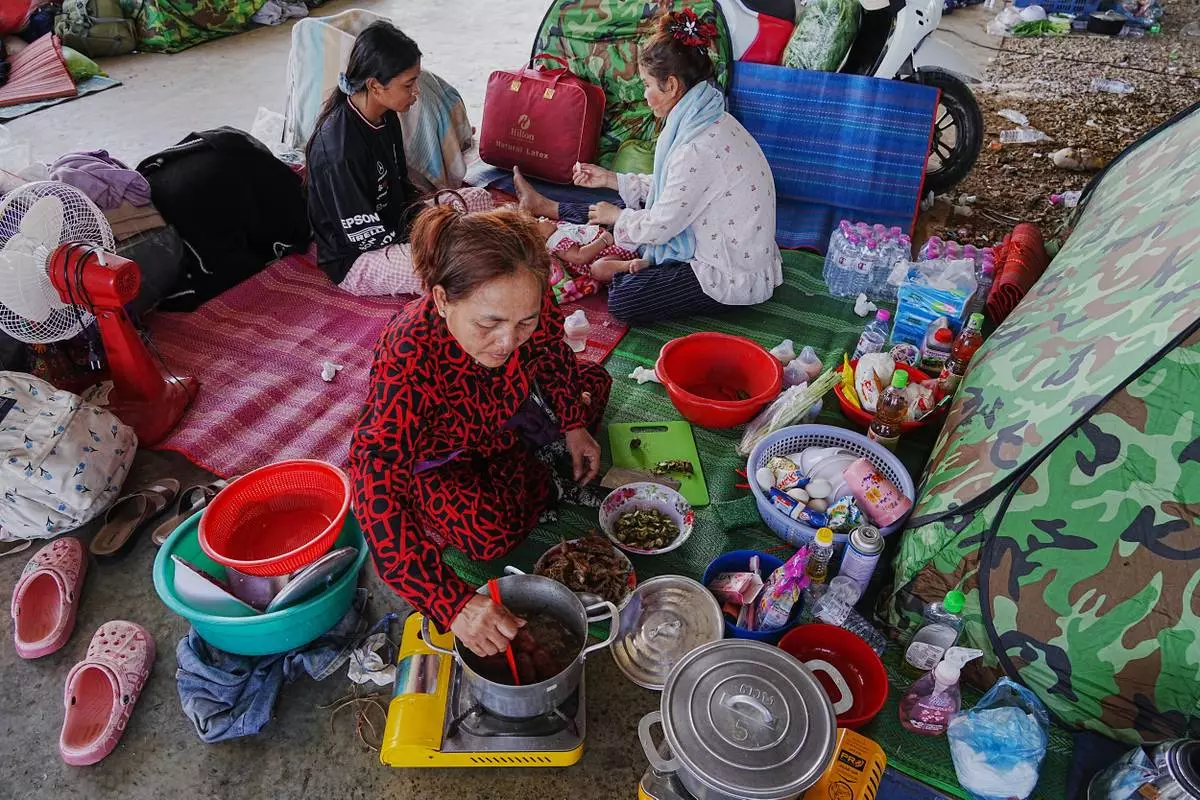
Evacuees cook food as they take refuge in Banteay Menchey provincial town, Cambodia, Saturday, Dec. 13, 2025, after fleeing homes following fighting between Thailand and Cambodia. (AP Photo/Heng Sinith)
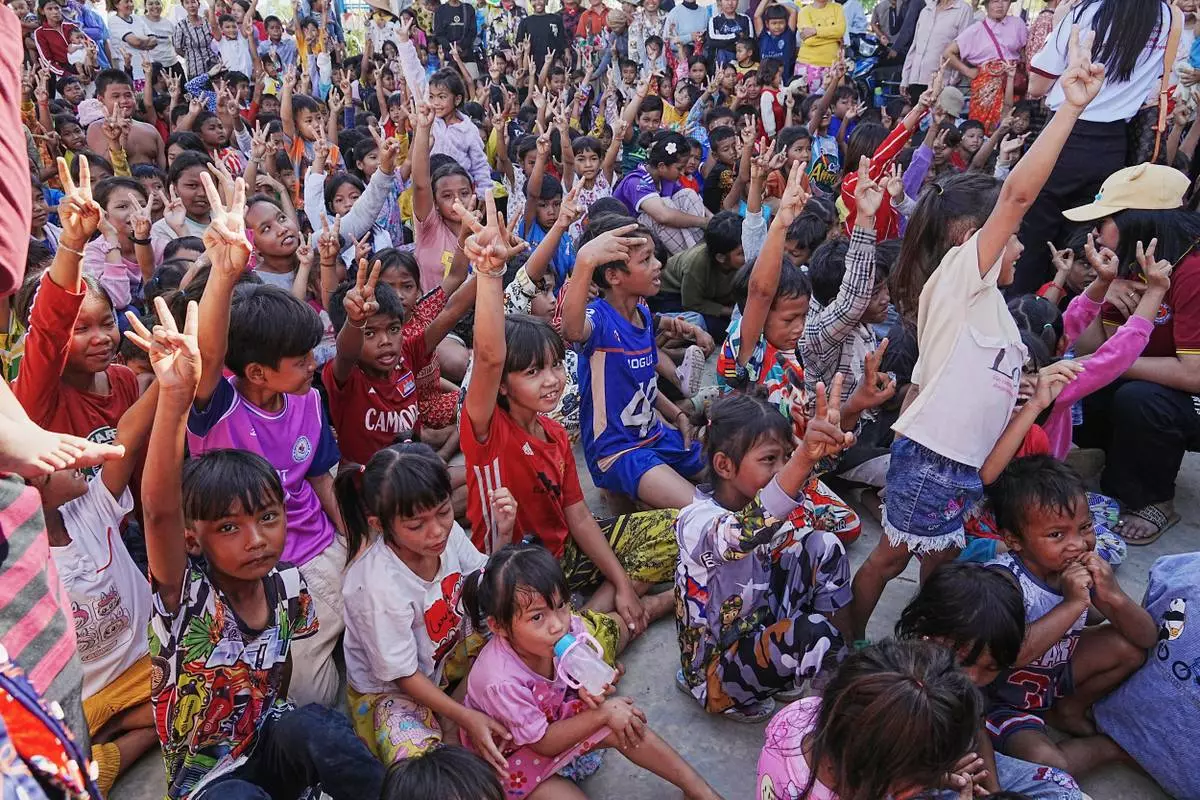
Children raise their hands while receiving donation from charity as they take refuge in Banteay Menchey provincial town, Cambodia, Saturday, Dec. 13, 2025, after fleeing homes following fighting between Thailand and Cambodia. (AP Photo/Heng Sinith)
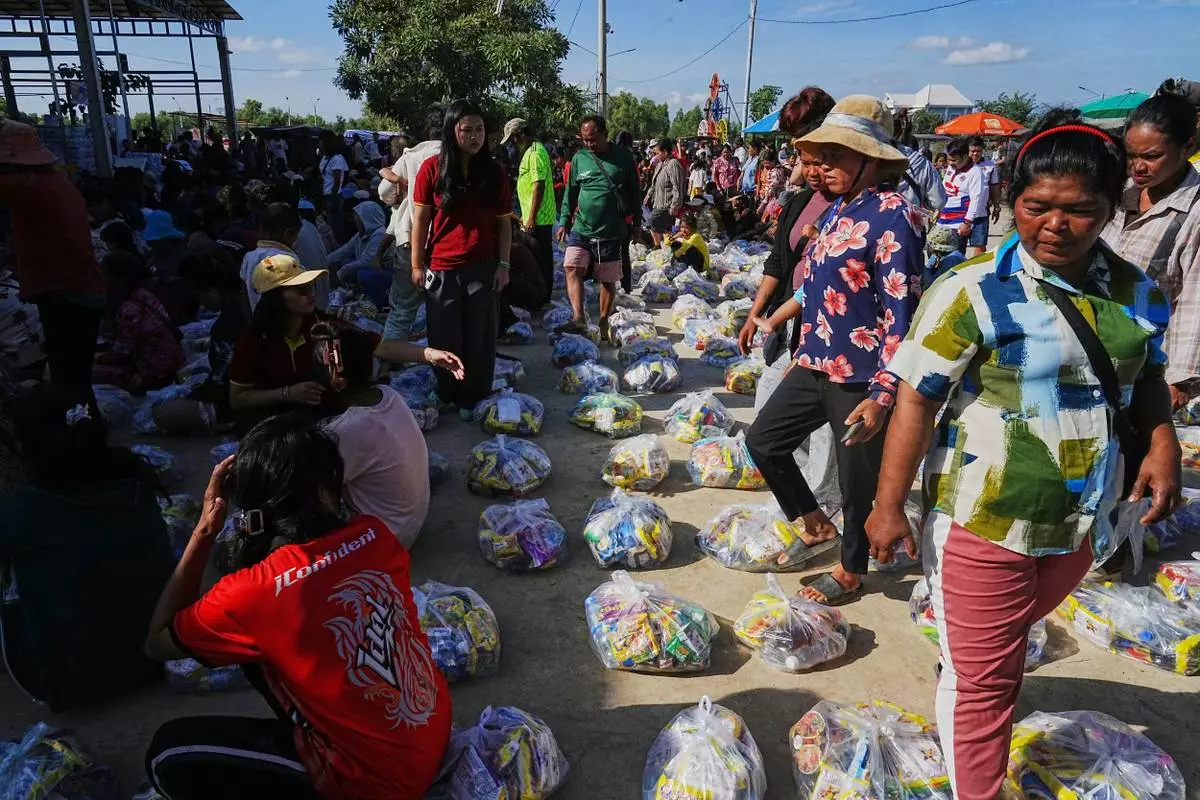
Evacuees wait to receive donation from local charity as they take refuge in Banteay Menchey provincial town, Cambodia, Saturday, Dec. 13, 2025, after fleeing homes following fighting between Thailand and Cambodia. (AP Photo/Heng Sinith)
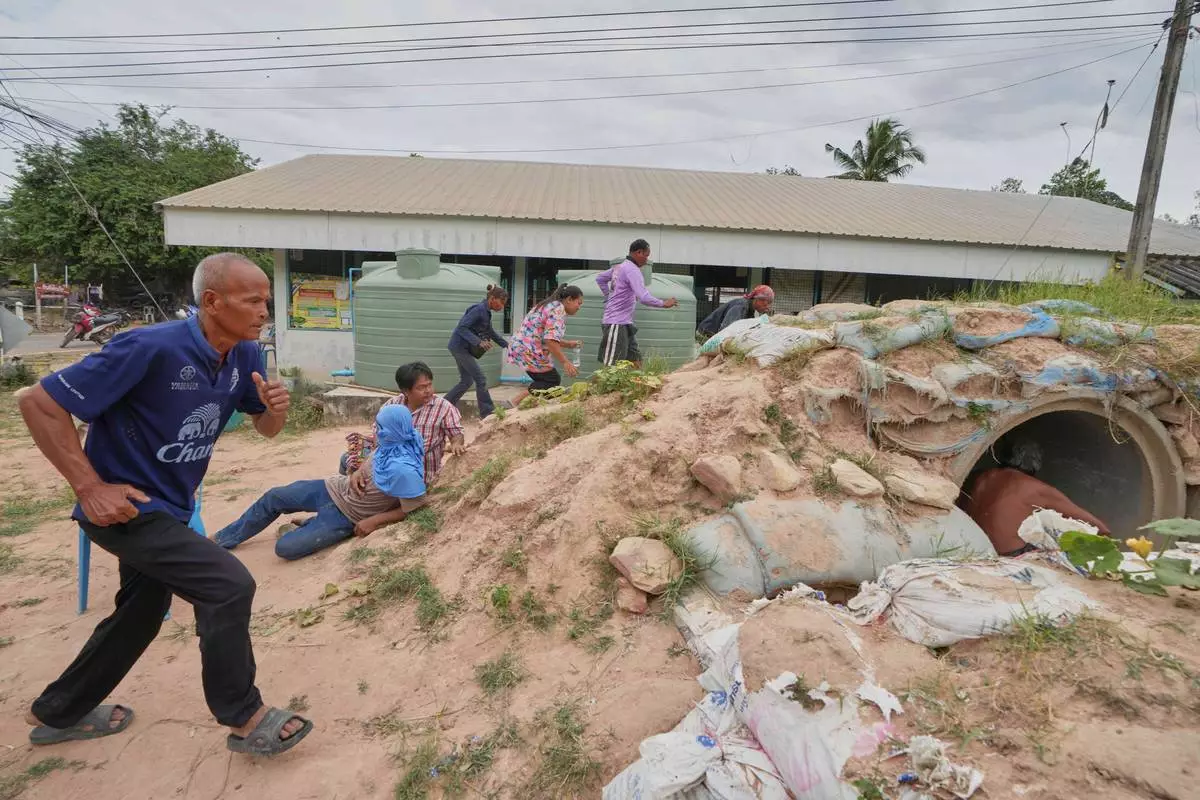
Village security volunteers and resident run into shelter while the blasts sounded too close in Buriram province, Thailand, Friday, Dec. 12, 2025, following renewed border conflict between Thailand and Cambodia. (AP Photo/Sakchai Lalit)