Hundreds of anti-nuclear activists gathered in central Tokyo days before the 14th anniversary of the Fukushima Nuclear Disaster to commemorate the catastrophe and protest against Japan's current nuclear policies.
Despite the ongoing ecological and health impacts of the disaster, the Ishiba cabinet approved its seventh Strategic Energy Plan in February, stating that it would maximize the use of both renewable energy and nuclear power.
Compared to the sixth edition of the country's energy roadmap, the latest version omits the phrase "reduction of dependence on nuclear power, " signaling a shift in Japan's energy policy and sparking widespread public disagreement.
"I do not think it is scientifically sound to have a facility that stores uranium and plutonium for long periods. In the event of a natural disaster, it could lead to the destruction of humanity. I do not support nuclear power," said an activist from Tokyo.
The seventh plan envisions the country's reliance on nuclear power rising to about 20 percent by 2040, while renewable energy is expected to account for 40 to 50 percent. It also includes plans to initiate new construction projects and rebuild next-generation advanced reactors at decommissioned nuclear plant sites.
"Even if it costs some money, we should aim for zero carbon while developing renewable energy sources. We have to think about nuclear waste and other nuclear-related problems that may arise. It was totally the wrong decision," said another local activist.
Since the Fukushima Daiichi Nuclear Power Plant accident, 14 reactors have restarted, while 11 await approval. The new energy plan, which increases reliance on nuclear power, disregards the catastrophe and only heightens the risk of another disaster, according to many protesters.
"Over the last 14 years, the government should have promoted sustainable energy policies and development projects. Build skills and human resources. But instead, we have done nothing and are once again relying on nuclear power. It is a sign of the deterioration of Japanese politics," said an activist from Tochigi Prefecture.
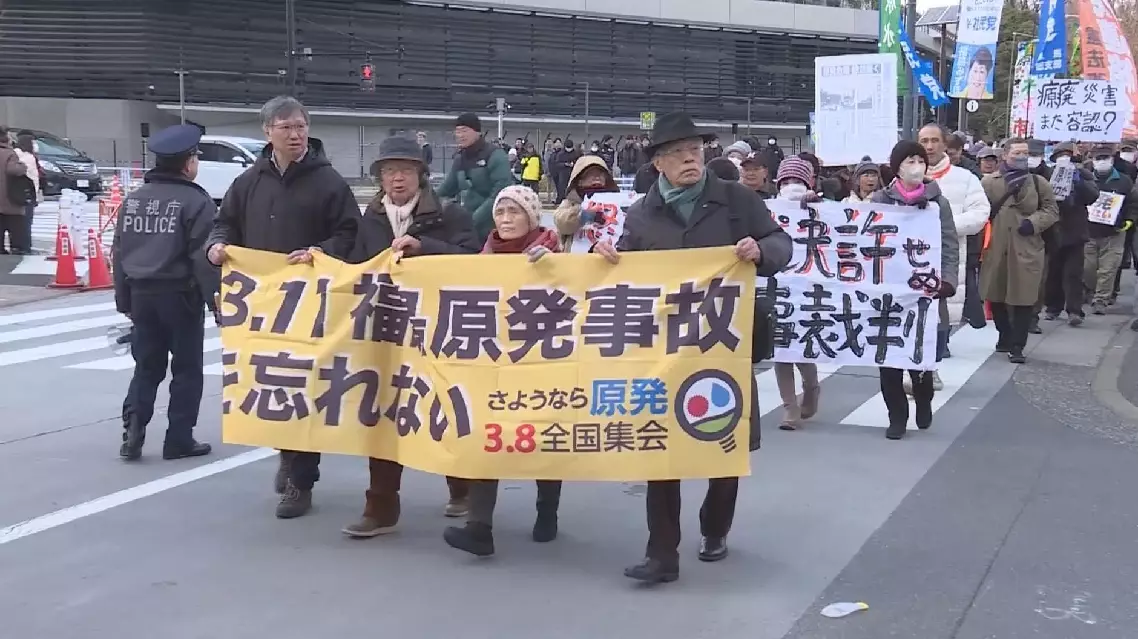
Anti-nuclear activists rally ahead of Fukushima nuclear disaster anniversary