Heavy snowstorms battered parts of northwest China's Xinjiang Uygur Autonomous Region on Saturday, disrupting road traffic and prompting swift emergency responses from local authorities to ensure public safety.
Starting early Saturday, heavy snow blanketed the Kanas scenic area in Altay Prefecture, northern Xinjiang, covering houses, roads, and infrastructure. Local traffic police responded by managing vehicles at key intersections and using patrol vehicles to escort tourists out of the area safely.
Due to hazardous conditions, traffic control measures were imposed from 15:00 on roads leading to the scenic area.
Blizzards also struck the region's Ili Kazakh Autonomous Prefecture. On the Guozigou expressway section of northwestern Xinjiang, snowfall had persisted since Friday evening, covering roads with a thick layer of snow.
Meanwhile, strong winds stirred blowing snow, drastically reducing visibility. This saw road maintenance crews working tirelessly to clear the snow and maintain safe passage.
On roads severely affected by blowing snow, visibility dropped to less than 50 meters, and surfaces turned dangerously slippery. Police employed flashing lights to direct vehicles to safety and assisted in rescuing stranded ones.
As of 20:00 on Saturday, heavy snowfall persisted, leading to temporary restrictions on large trucks traveling between Ili and Urumqi, the capital of Xinjiang.
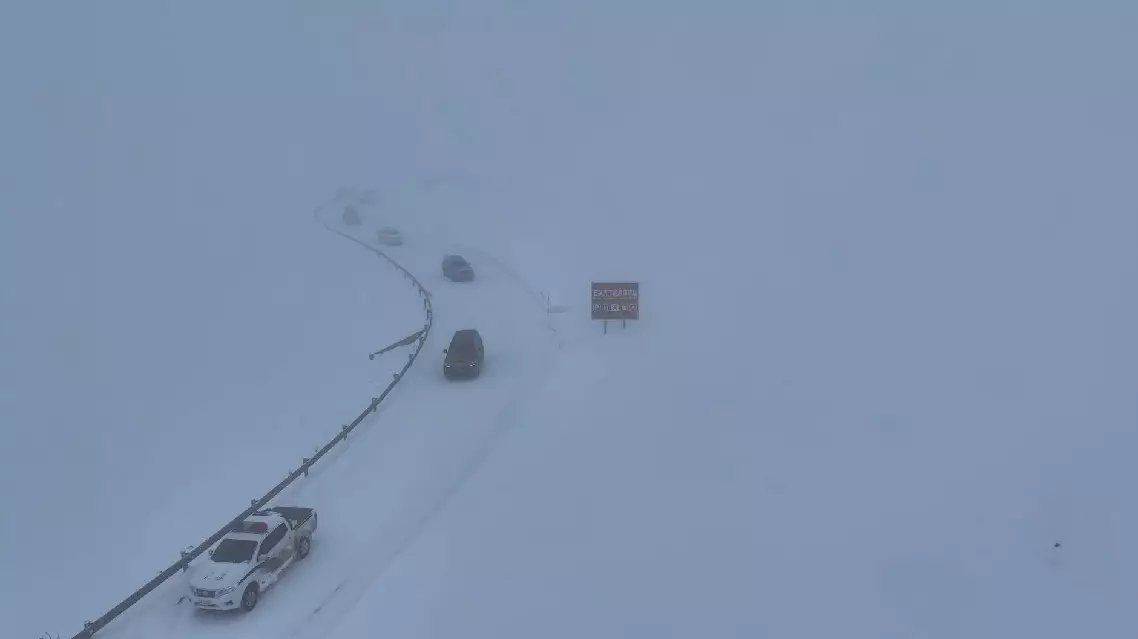
Heavy snowfall blankets parts of Xinjiang, disrupting traffic in key areas
The Cyberspace Administration of China has drafted a set of guidelines to ensure healthy and safe internet use by minors, laying out a series of regulations for relevant service providers.
The draft was made public on Friday and is open to public comment until Oct. 17.
The draft encourages the research, development and manufacture of smart terminal products specifically designed for minors and tailored to the laws and characteristics of their physical and mental development, as well as internet technologies and services conducive to the healthy growth of minors.
Minors shall not be exposed to online social networking services with strangers, virtual intimate relationship services, and online services that induce addiction in minors or are detrimental to their physical and mental health, the draft reads.
Internet services for minors under 16, such as online social networking services and artificial intelligence services that may affect minors' cognition, can only be provided through a minor mode, according to the draft.
It also clarifies the functions of the minor mode, which include identifying online information detrimental to minors' physical and mental health, protecting minors' personal information rights and interests, preventing minors from becoming addicted to the internet, and facilitating guardians in fulfilling their guardianship responsibilities.
As of December 2025, China had more than 200 million internet users aged 6 to 19, the 57th Statistical Report on China's Internet Development revealed.
With the increasingly evident impact of social media on minors' mental well-being, behavior and safety, a growing number of countries and regions have recently started to explore ways to raise the legal threshold for minors' use of social media platforms, said Wang Zhiqin, deputy director of the China Academy of Information and Communications Technology.
The draft proposes a model with Chinese characteristics for protecting minors online, representing a positive response to the global trend toward strengthening online protection for minors, Wang said.

China drafts guidelines to strengthen online protection for minors