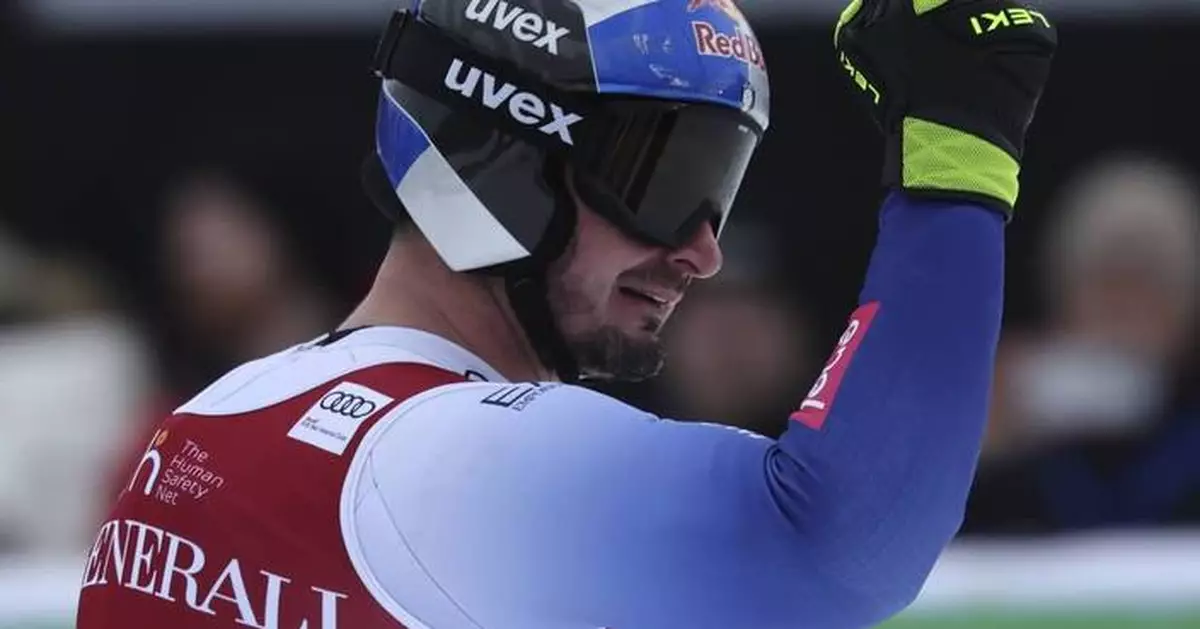
KVITFJELL, Norway (AP) — After just one World Cup race win in three years for Dominik Paris, the Italian star made it two in three days Sunday.
Paris was the only racer to break clear in a super-G of tight margins, on a course shortened by fog on the mountain, and added to his downhill victory Friday.
Click to Gallery
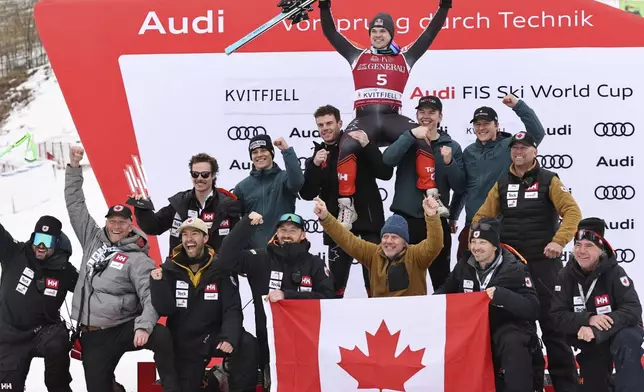
Second placed Canada's James Crawford, celebrates with the team after an alpine ski, men's World Cup downhill, in Kvitfjell, Norway, Saturday, March 8, 2025. (AP Photo/Marco Trovati)
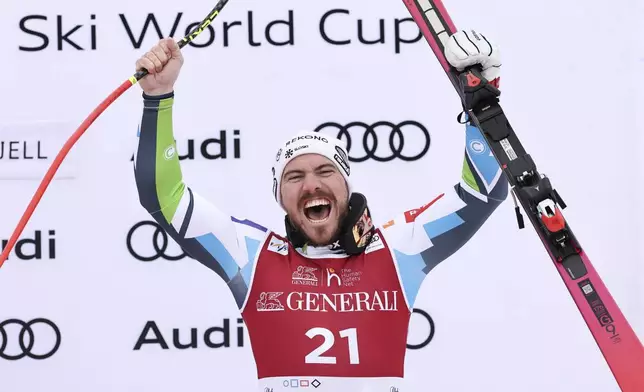
Third placed Slovenia's Miha Hrobat celebrates after an alpine ski, men's World Cup downhill, in Kvitfjell, Norway, Saturday, March 8, 2025. (AP Photo/Marco Trovati)
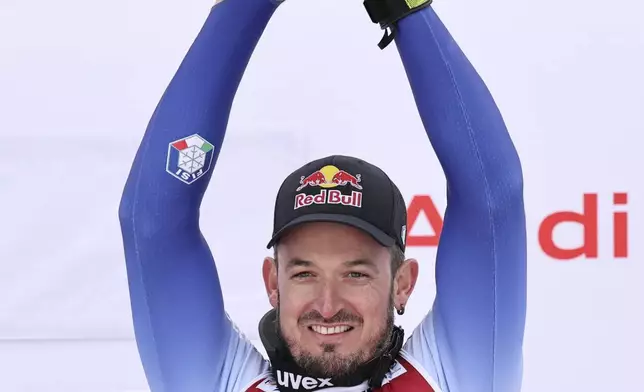
The winner Italy's Dominik Paris celebrates after an alpine ski, men's World Cup downhill, in Kvitfjell, Norway, Saturday, March 8, 2025. (AP Photo/Marco Trovati)
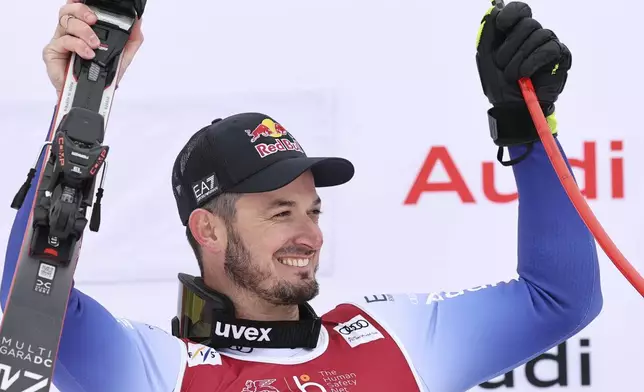
The winner Italy's Dominik Paris celebrates after an alpine ski, men's World Cup downhill, in Kvitfjell, Norway, Saturday, March 8, 2025. (AP Photo/Marco Trovati)
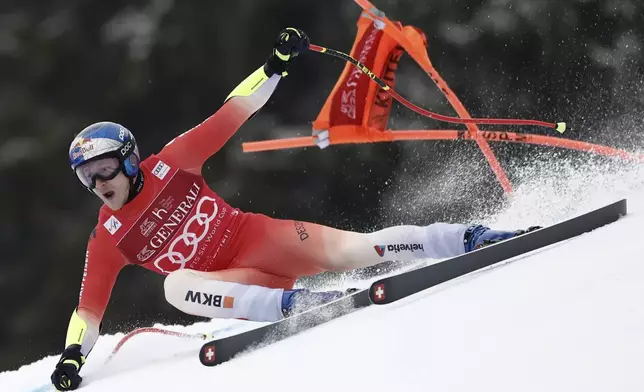
Switzerland's Marco Odermatt speeds down the course during an alpine ski, men's World Cup super G race, in Kvitfjell, Norway, Sunday, March 9, 2025. (AP Photo/Gabriele Facciotti)

Slovenia's Miha Hrobat reacts after completing an alpine ski, men's World Cup downhill, in Kvitfjell, Norway, Saturday, March 8, 2025. (AP Photo/Marco Trovati)
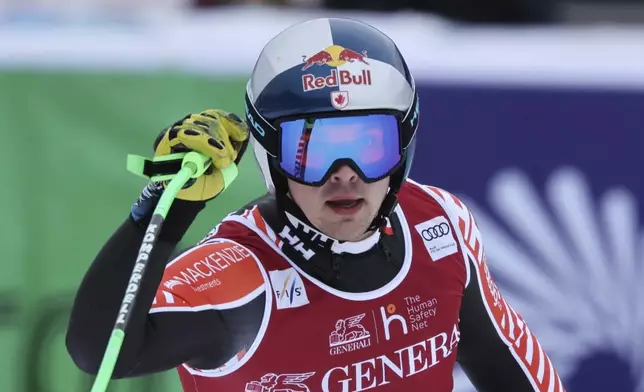
Canada's James Crawford reacts after completing an alpine ski, men's World Cup downhill, in Kvitfjell, Norway, Saturday, March 8, 2025. (AP Photo/Marco Trovati)
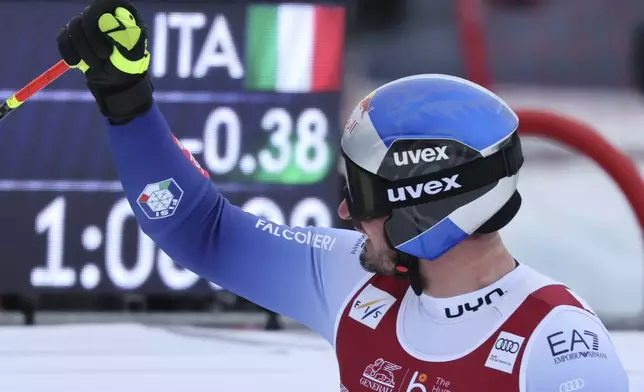
Italy's Dominik Paris reacts after completing an alpine ski, men's World Cup downhill, in Kvitfjell, Norway, Saturday, March 8, 2025. (AP Photo/Marco Trovati)
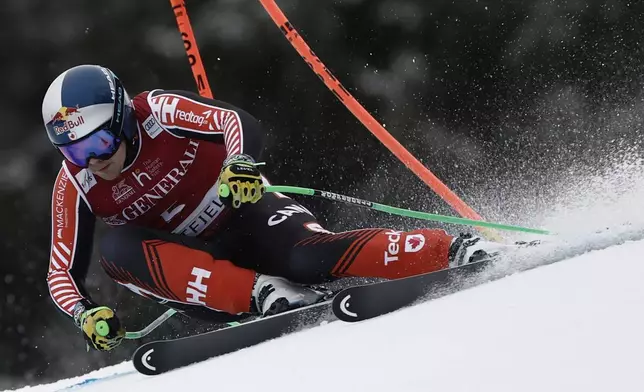
Canada's James Crawford speeds down the course during an alpine ski, men's World Cup super G race, in Kvitfjell, Norway, Sunday, March 9, 2025. (AP Photo/Gabriele Facciotti)
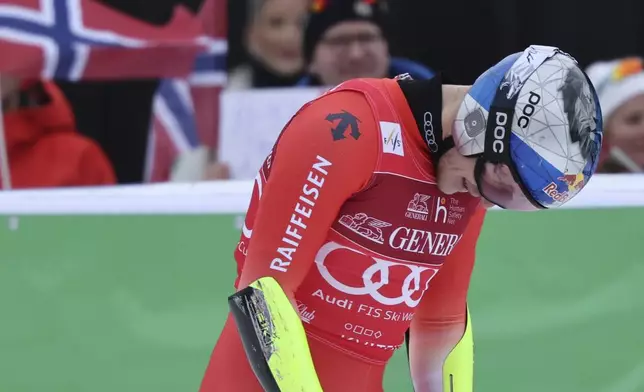
Switzerland's Marco Odermatt reacts after completing an alpine ski, men's World Cup downhill, in Kvitfjell, Norway, Saturday, March 8, 2025. (AP Photo/Marco Trovati)
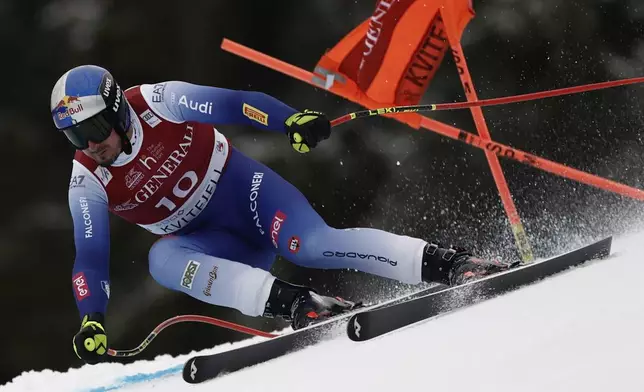
Italy's Dominik Paris speeds down the course during an alpine ski, men's World Cup super G race, in Kvitfjell, Norway, Sunday, March 9, 2025. (AP Photo/Gabriele Facciotti)

Italy's Dominik Paris reacts after completing an alpine ski, men's World Cup downhill, in Kvitfjell, Norway, Saturday, March 8, 2025. (AP Photo/Marco Trovati)
Take Paris out of Sunday’s race and the top 30 including six of the United States team all would have been within one second and James Crawford, the 2023 world champion from Canada, would have won.
Paris was there, however, as the standout racer 0.38 faster than Crawford and 0.47 clear of third-placed Miha Hrobat.
“The feeling was amazing," the 35-year-old Paris said. "Seeing the green light in the finish, that’s nice.”
The German-speaking Italian with the French-sounding family name is most at home on the Norwegian slope that staged the 1994 Olympics races.
He now has six of his 24 career World Cup wins at Kvitfjell, where he also completed a weekend double in downhill and super-G in 2019, and won a downhill in March 2022.
“It’s a good hill for me but I didn’t know it was like this. It’s more than I expected,” Paris said.
That 2019 season was a career peak for Paris. He won a career-best seven World Cup races, plus his only gold medal — in super-G at the 2019 worlds — and his only World Cup crystal trophy, for the season-long super-G title. That success came after spending the summer recording an album as a singer in a heavy metal band, Rise of Voltage.
Marco Odermatt placed fourth, 0.01 behind Hrobat, though his season-long super-G title was confirmed in midweek when his closest challenger, Paris’s teammate Mattia Casse, was injured crashing in a training run for the downhill.
It was the first time in 17 men's speed races this season, in the World Cup or world championships, that no Swiss skier was on the podium.
“It’s quite an achievement, I think. They are really, really good this year,” said Hrobat, who twice was third in downhills when beaten by two Swiss racers.
Odermatt earned 50 race points Sunday and has an unbeatable lead of 210 in the super-G standings before the last race March 23 at Sun Valley, Idaho. It is his third straight super-G title.
The Swiss superstar's fourth straight overall World Cup title also is assured with a 570-point lead over Henrik Kristoffersen and just six races left. Though 600 points can be won, Kristoffersen does not race in downhill or super-G.
Kristoffersen will be favored to pick up points next weekend when the men’s World Cup circuit stays in Norway for a giant slalom and slalom at nearby Hafjell.
AP skiing: https://apnews.com/hub/alpine-skiing
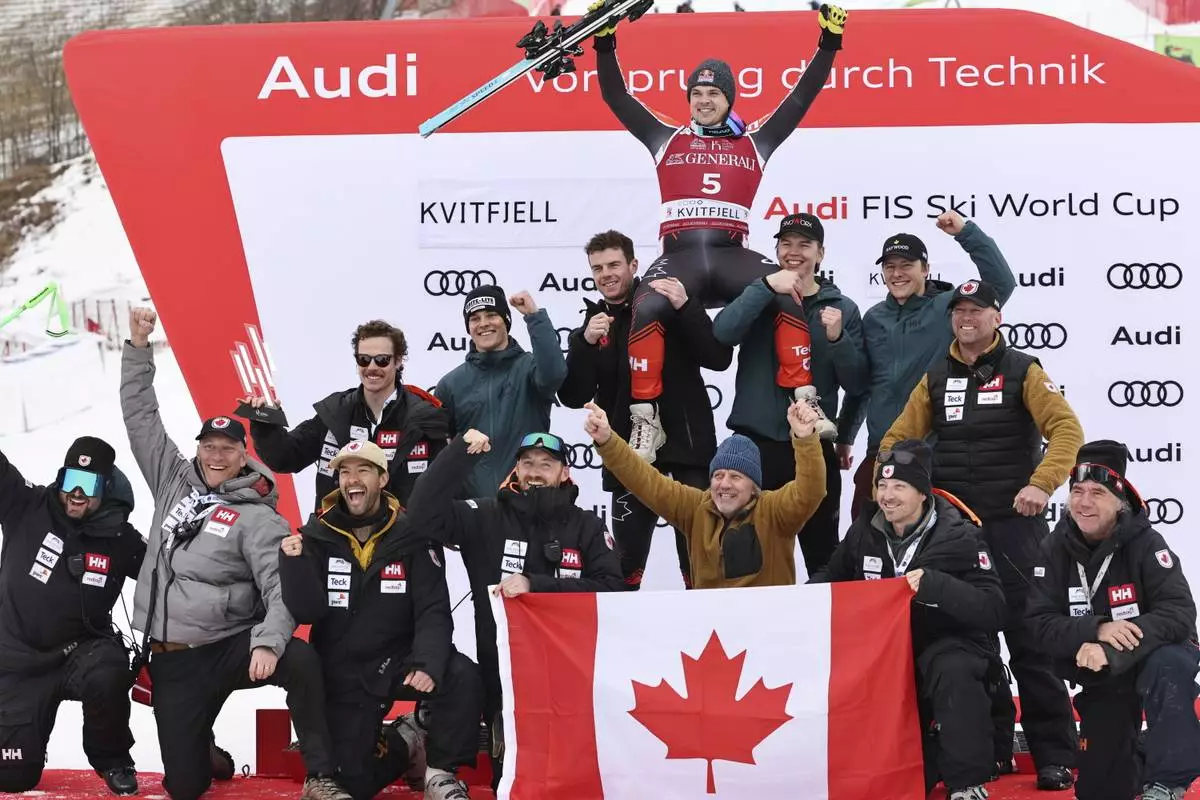
Second placed Canada's James Crawford, celebrates with the team after an alpine ski, men's World Cup downhill, in Kvitfjell, Norway, Saturday, March 8, 2025. (AP Photo/Marco Trovati)
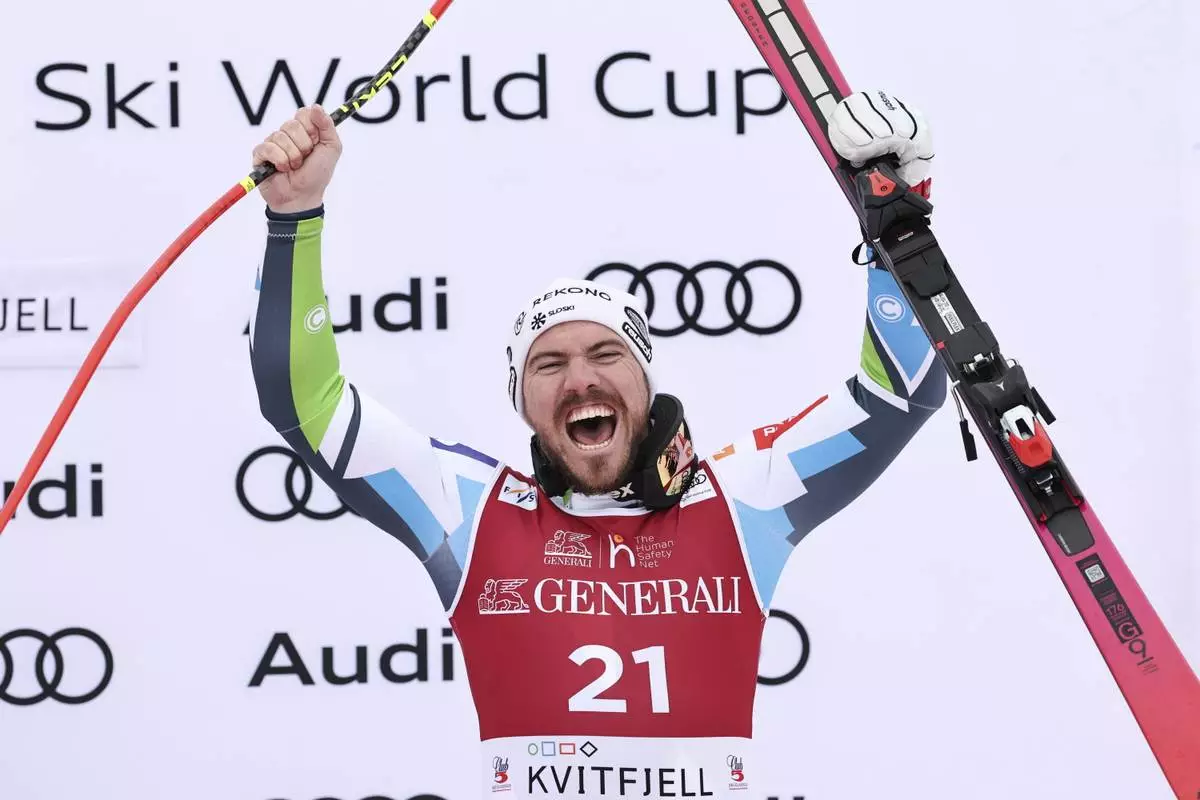
Third placed Slovenia's Miha Hrobat celebrates after an alpine ski, men's World Cup downhill, in Kvitfjell, Norway, Saturday, March 8, 2025. (AP Photo/Marco Trovati)
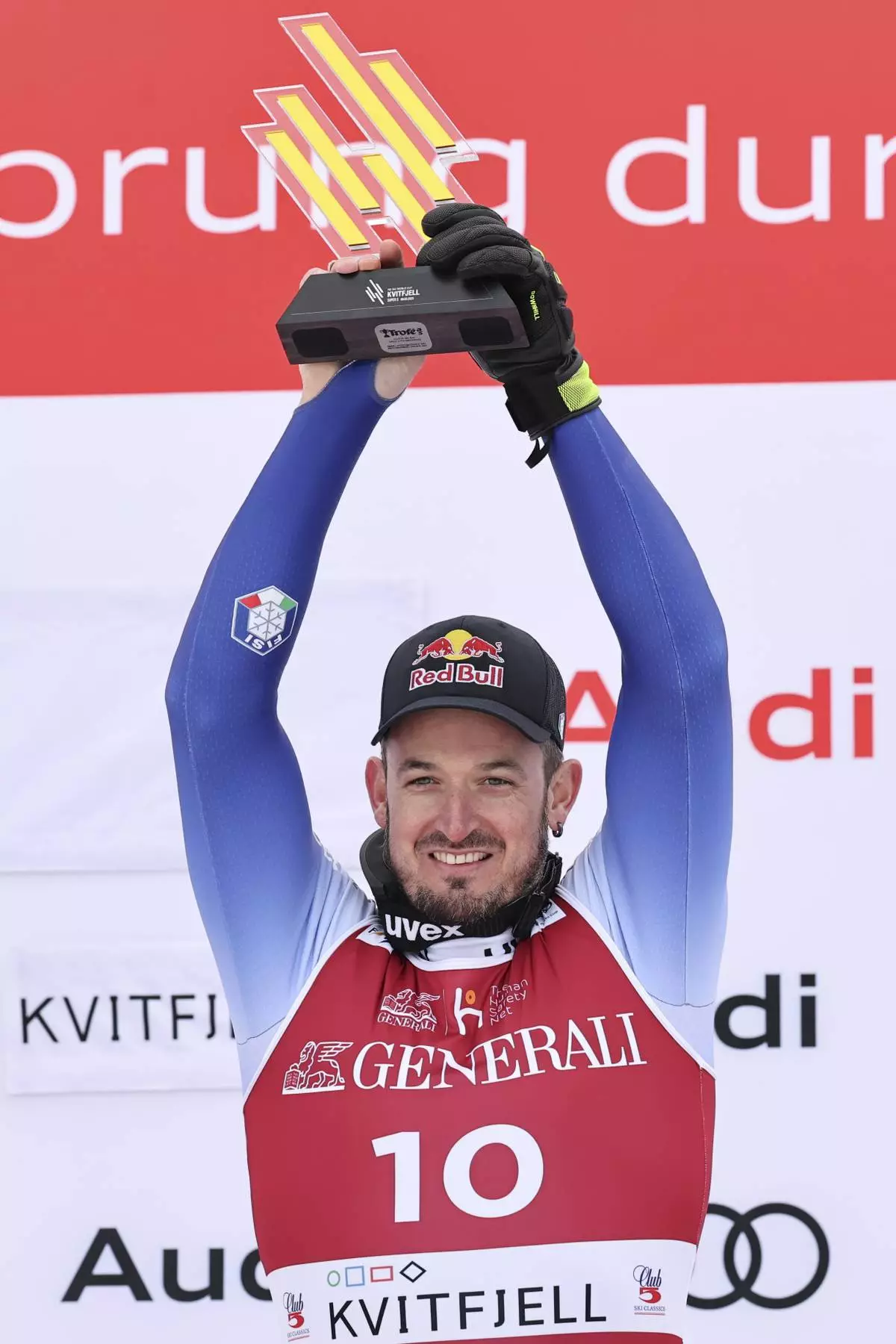
The winner Italy's Dominik Paris celebrates after an alpine ski, men's World Cup downhill, in Kvitfjell, Norway, Saturday, March 8, 2025. (AP Photo/Marco Trovati)
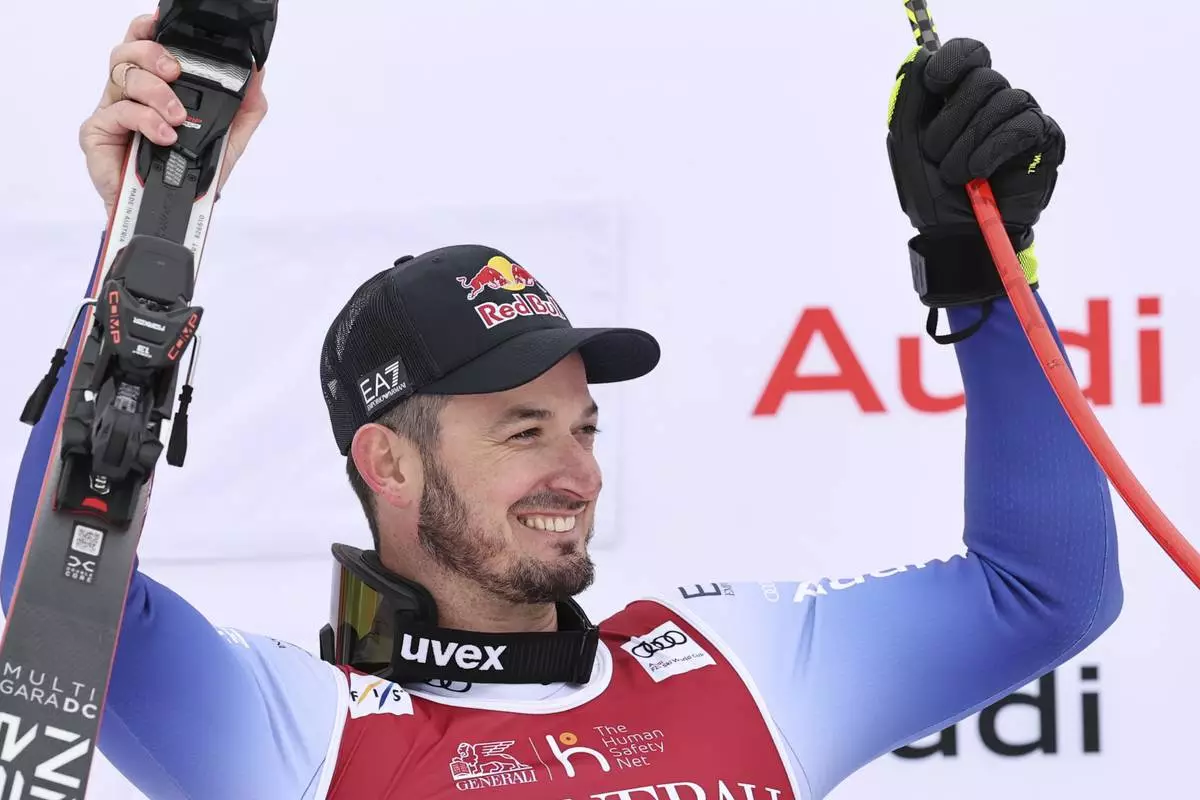
The winner Italy's Dominik Paris celebrates after an alpine ski, men's World Cup downhill, in Kvitfjell, Norway, Saturday, March 8, 2025. (AP Photo/Marco Trovati)
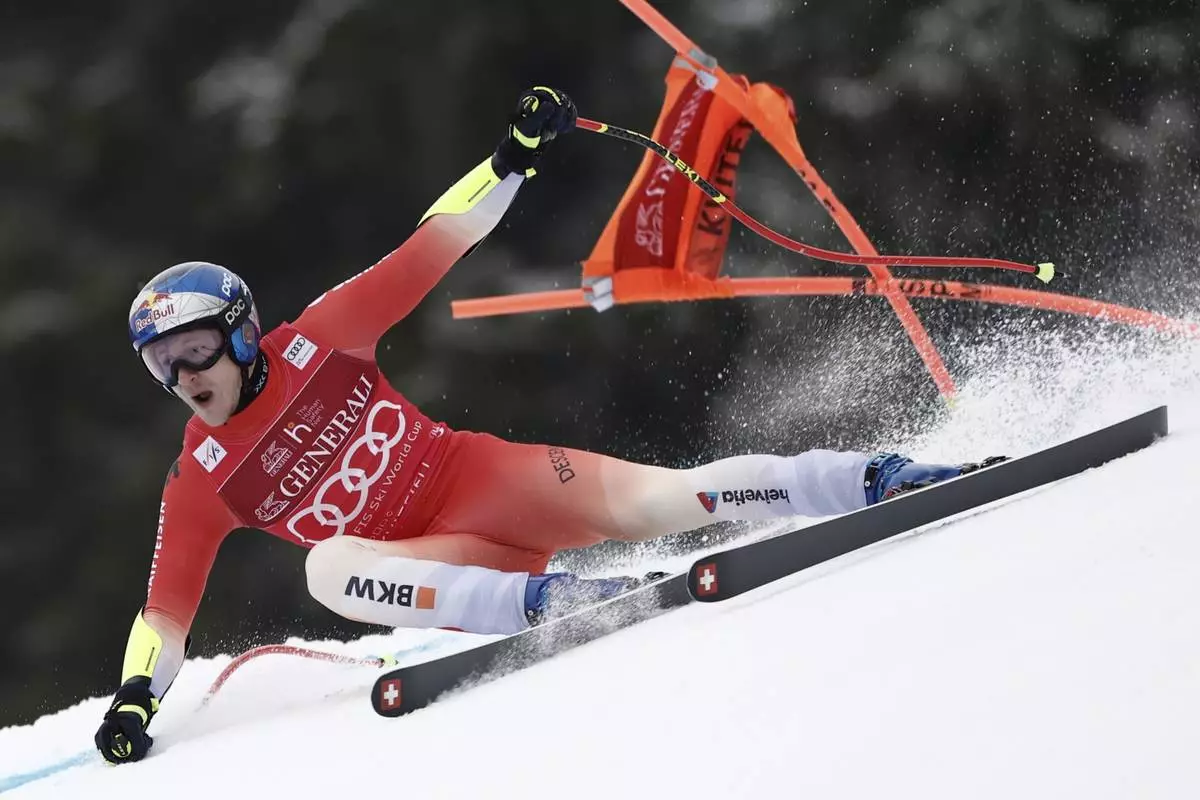
Switzerland's Marco Odermatt speeds down the course during an alpine ski, men's World Cup super G race, in Kvitfjell, Norway, Sunday, March 9, 2025. (AP Photo/Gabriele Facciotti)

Slovenia's Miha Hrobat reacts after completing an alpine ski, men's World Cup downhill, in Kvitfjell, Norway, Saturday, March 8, 2025. (AP Photo/Marco Trovati)
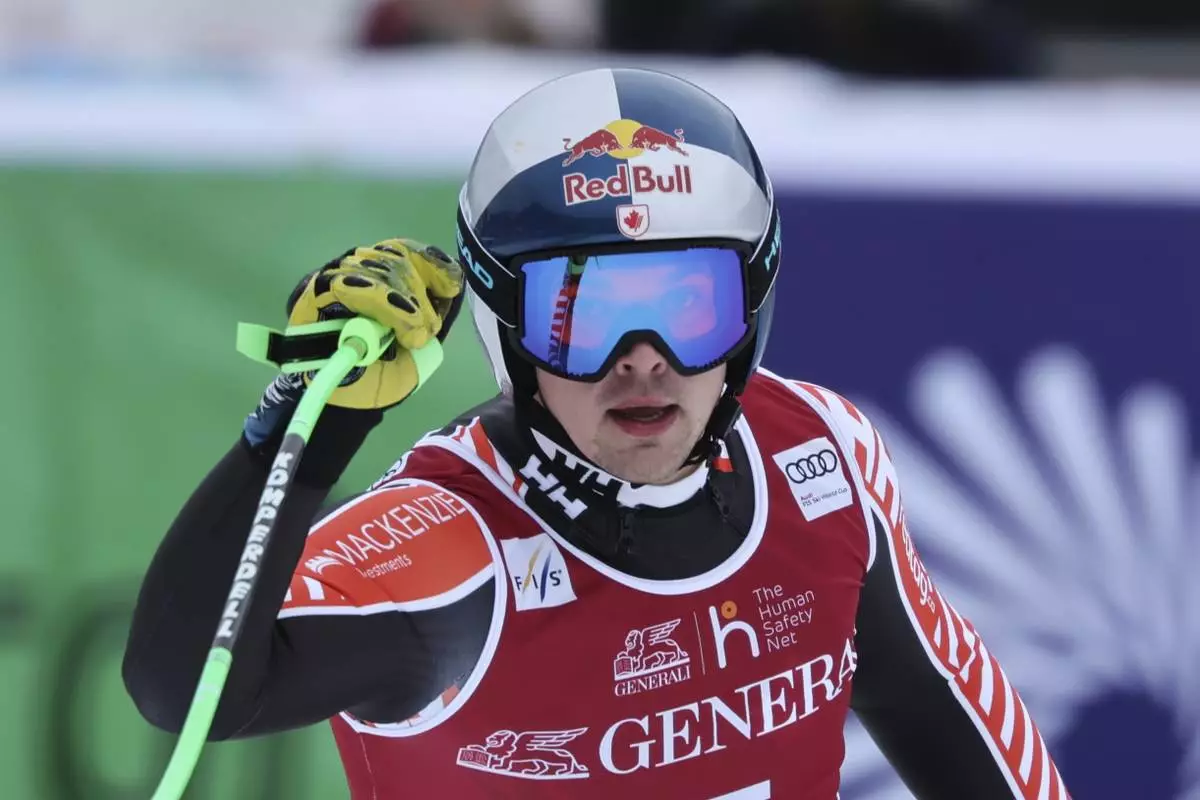
Canada's James Crawford reacts after completing an alpine ski, men's World Cup downhill, in Kvitfjell, Norway, Saturday, March 8, 2025. (AP Photo/Marco Trovati)
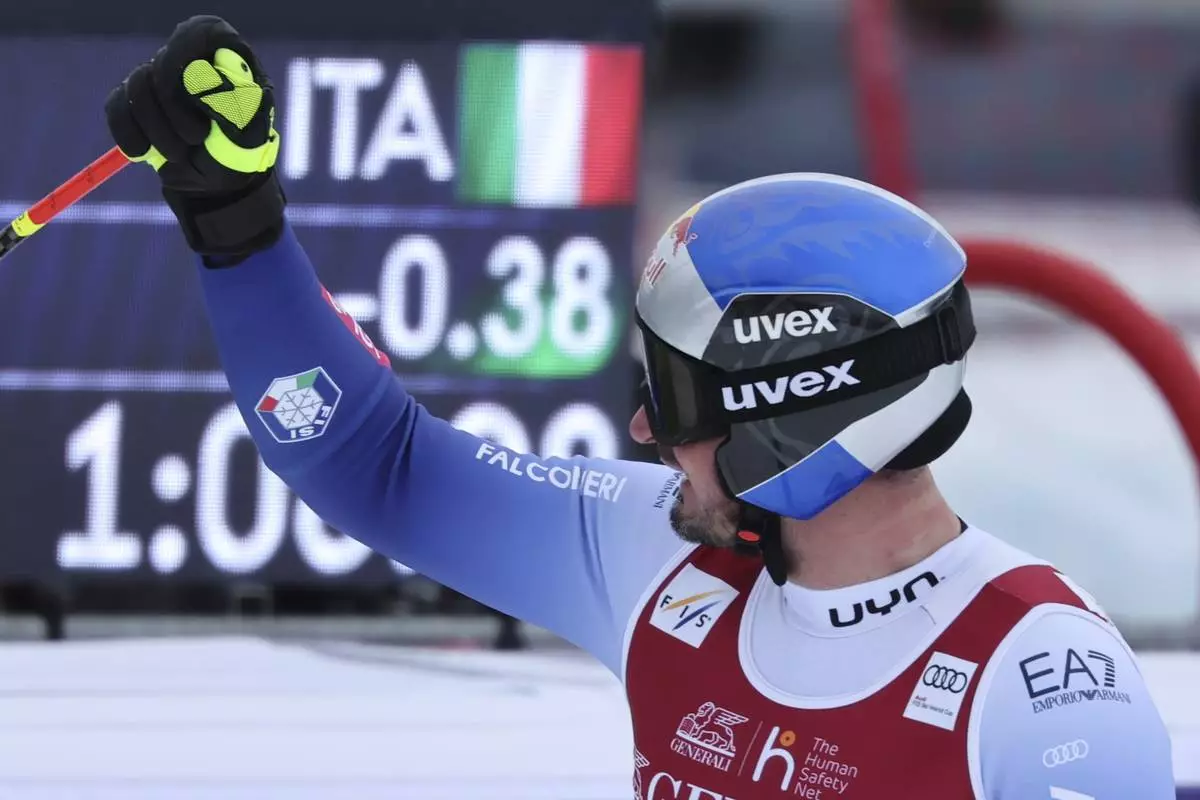
Italy's Dominik Paris reacts after completing an alpine ski, men's World Cup downhill, in Kvitfjell, Norway, Saturday, March 8, 2025. (AP Photo/Marco Trovati)
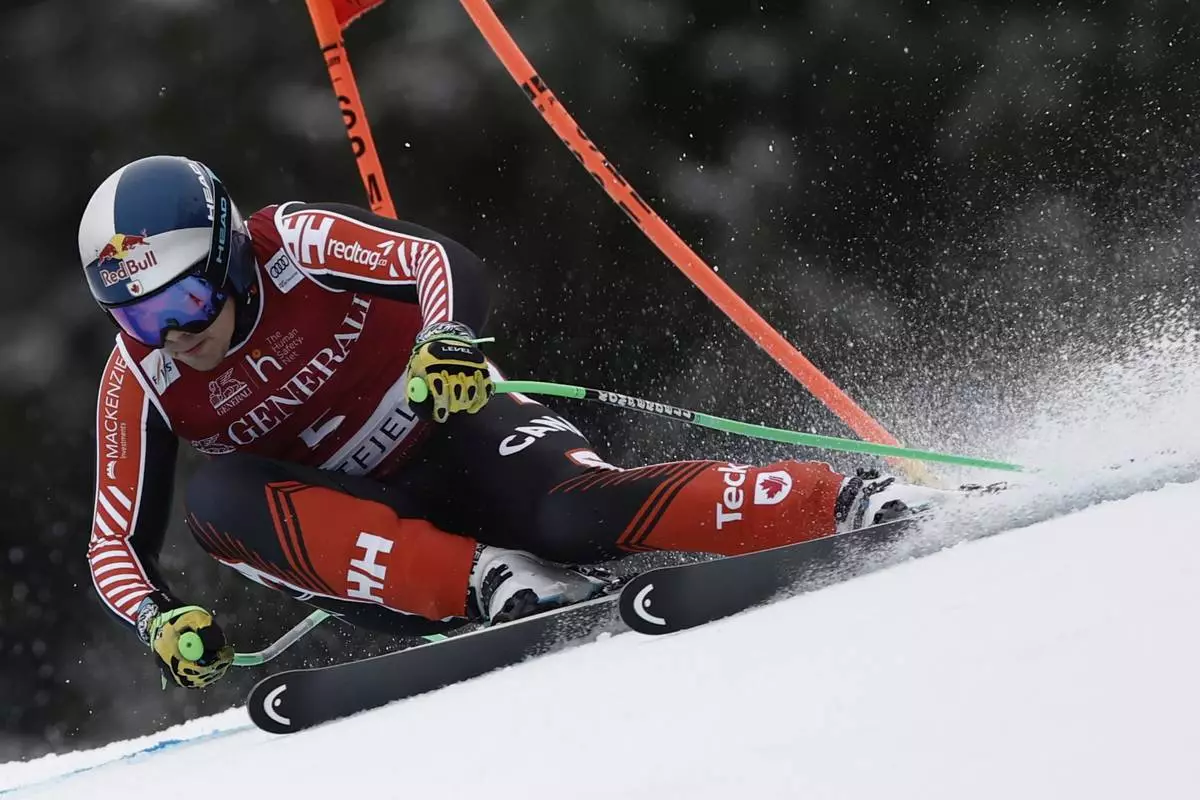
Canada's James Crawford speeds down the course during an alpine ski, men's World Cup super G race, in Kvitfjell, Norway, Sunday, March 9, 2025. (AP Photo/Gabriele Facciotti)
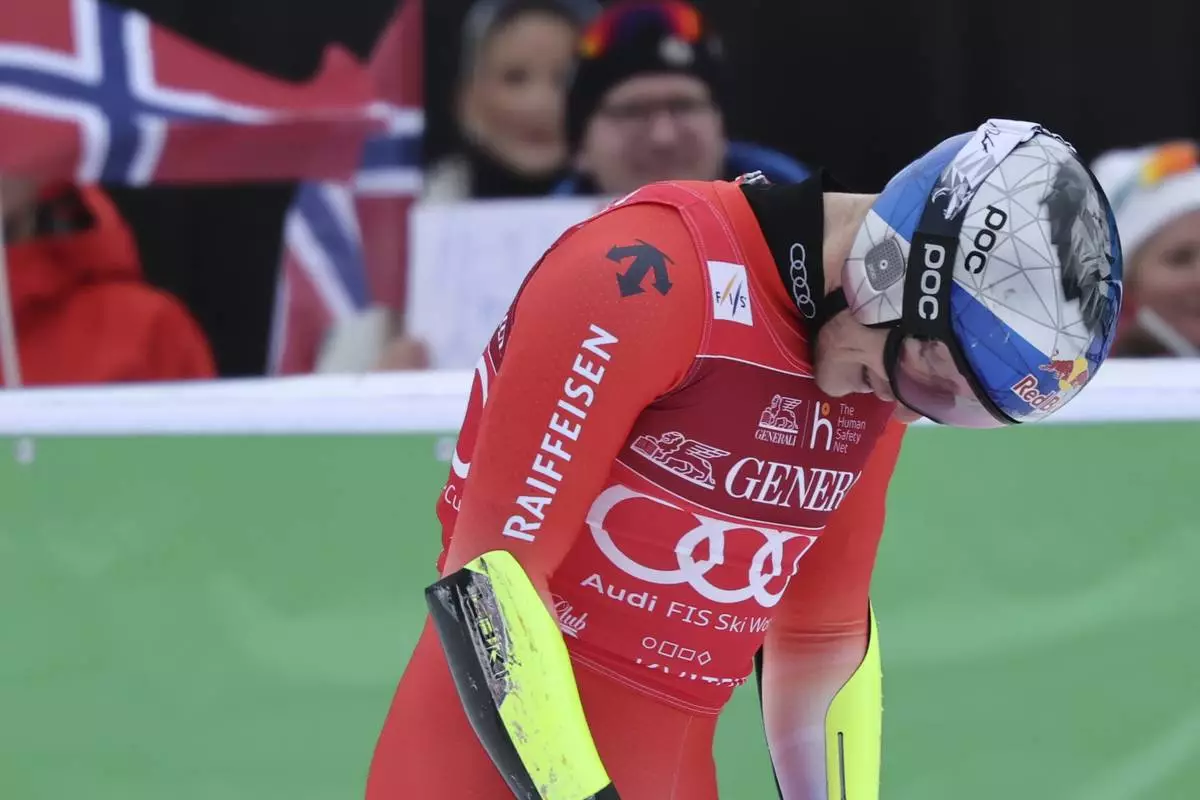
Switzerland's Marco Odermatt reacts after completing an alpine ski, men's World Cup downhill, in Kvitfjell, Norway, Saturday, March 8, 2025. (AP Photo/Marco Trovati)
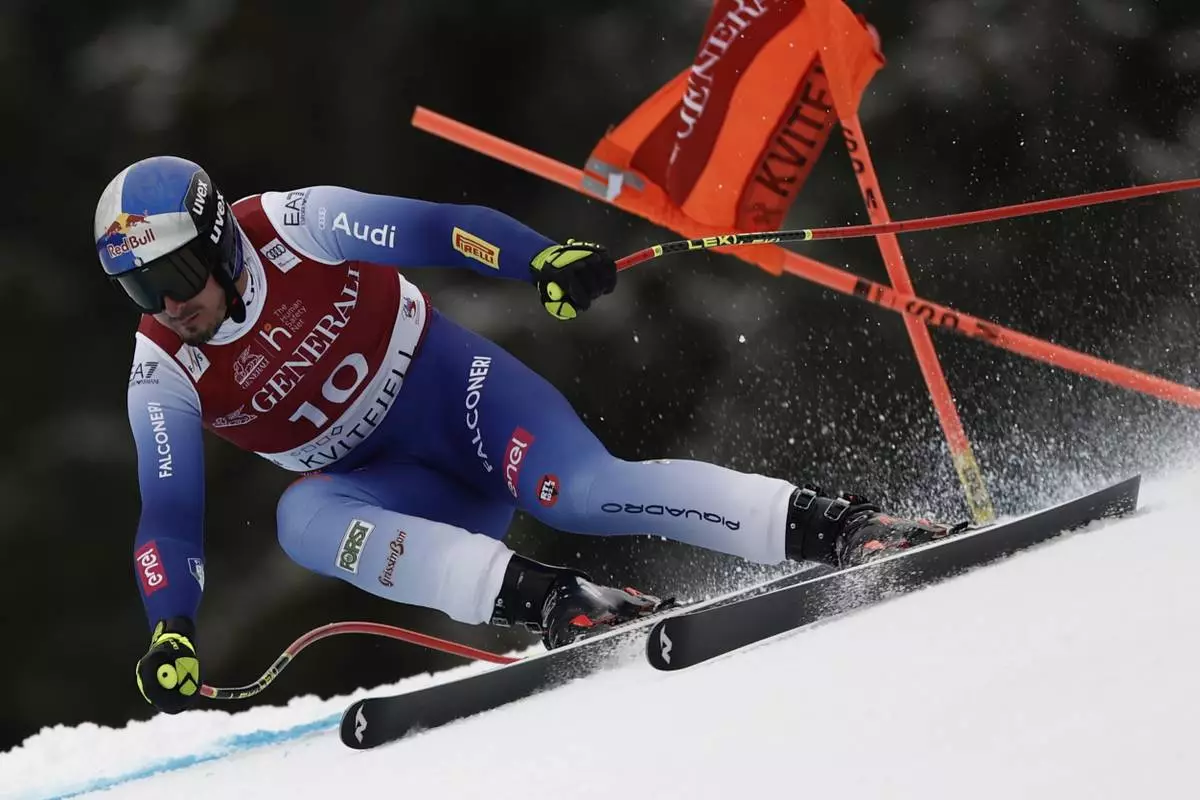
Italy's Dominik Paris speeds down the course during an alpine ski, men's World Cup super G race, in Kvitfjell, Norway, Sunday, March 9, 2025. (AP Photo/Gabriele Facciotti)
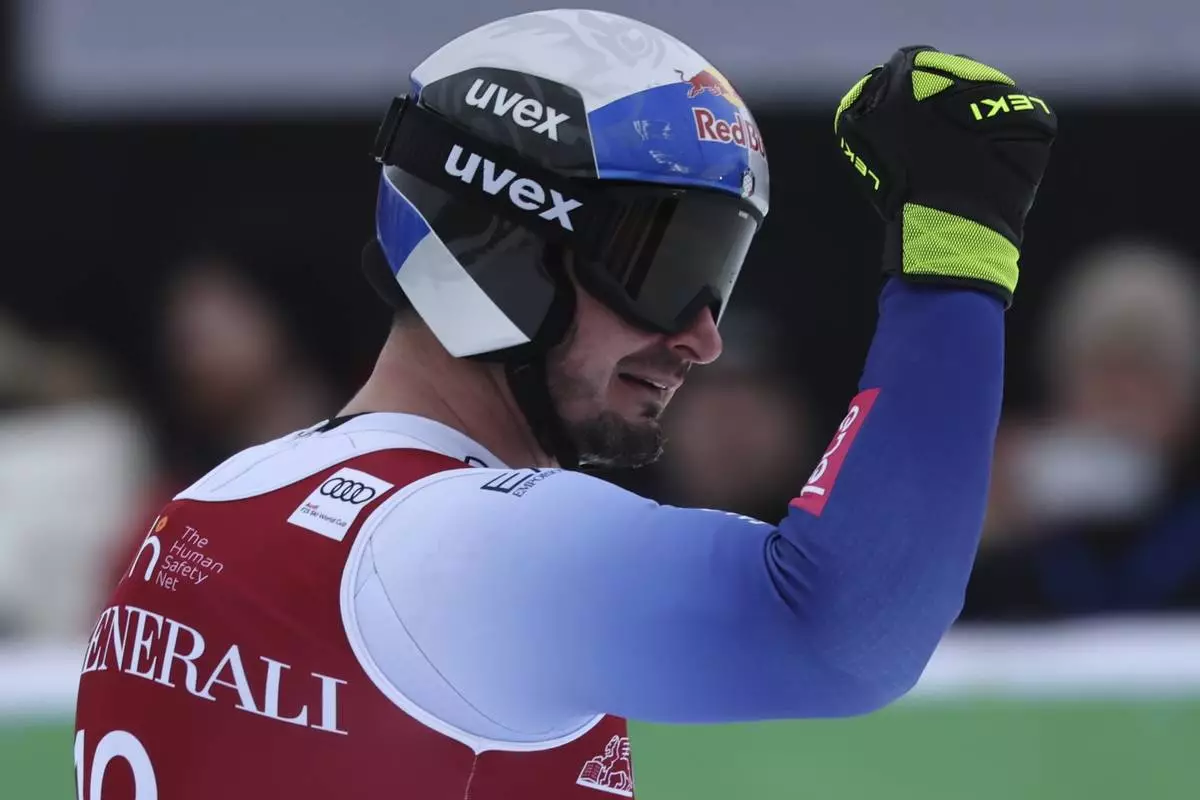
Italy's Dominik Paris reacts after completing an alpine ski, men's World Cup downhill, in Kvitfjell, Norway, Saturday, March 8, 2025. (AP Photo/Marco Trovati)