Breathtaking floral displays are painting China's landscapes in vibrant hues as spring unfolds, drawing numerous tourists.
In Jinzhai County of east China's Anhui Province, nearly 100,000 magnolia flowers are in full bloom, painting the mountains in stunning colors.
Tourists wandered through the sea of flowers, immersing themselves in the beauty of spring.
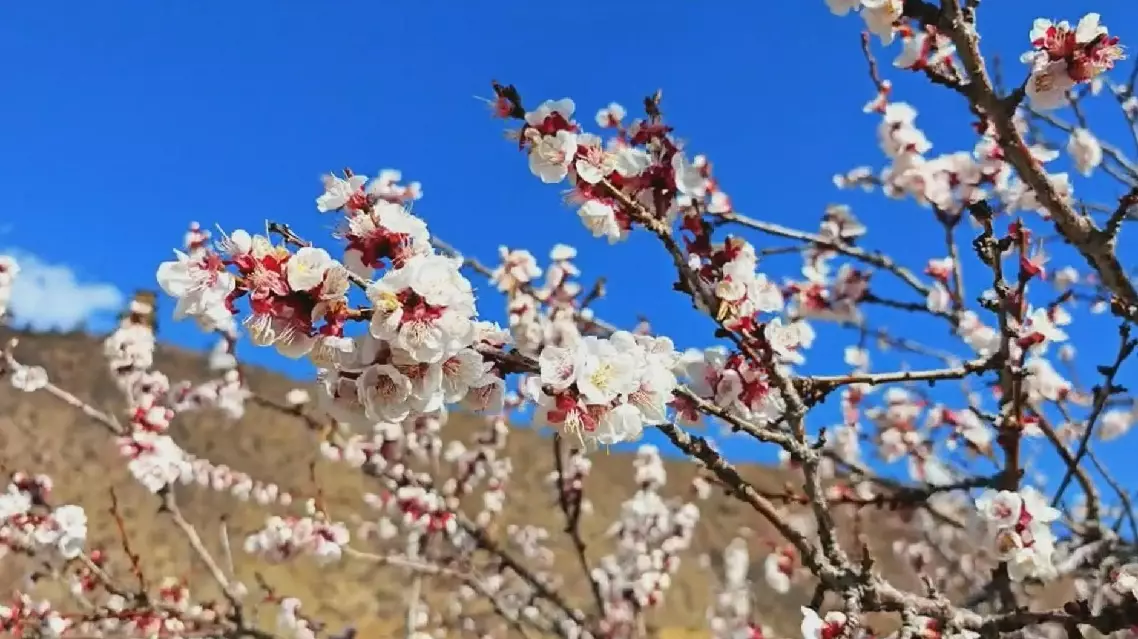
The valleys in Ganzi Tibetan Autonomous Prefecture of southwest China's Sichuan Province are adorned with pink and white apricot flowers, swaying in the warm spring breeze.
In northeast China's Jilin Province, adonis amurensis emerged as one of the first plants to sense the arrival of spring. The bright yellow flowers sprouted through the frozen soil and absorbed the melted snow water to grow, signaling the arrival of spring in the northeastern region.
In Kunming City of southwest China's Yunnan Province, tourists boarded trains to traverse a stunning sea of cherry blossoms.
The local area hosted various cultural activities, such as flower god dance, to enhance the viewing experience for visitors.
"It is so amazing that we can enjoy the cherry blossoms from the train. They are so beautiful. My family and I are having a great time visiting the place," said Ms. Wang, a tourist.
In Longnan City of northwest China's Gansu Province, over 133 hectares of cherry blossoms have also entered their peak flowering period, captivating tourists with their beauty.
Flower-viewing tours are also boosting income for local areas by offering various cultural and tourism experiences. In southwest China's Chongqing Municipality, tourists are drawn to the rapeseed flower fields, enjoying the beauty and tranquility that nature offers.
The region has introduced agricultural and cultural tourism projects, such as hotpot dining set in the flower fields, which has boosted local tourism revenue.
"When I am eating hotpot here, I feel the strong atmosphere of spring. There are beautiful sights to see and delicious hotpot to enjoy, and I feel very happy," said Ao Xiaojiao, a tourist.
In Luoyuan County of east China's Fujian Province, over 30,000 cherry trees create a breathtaking sea of flowers, attracting tourists from across the country.
Local villagers have seized the opportunities presented by the cherry blossoms and launched various entertainment activities to attract tourists and capitalize on the stunning scenery.
Flowers bloom across China as spring unfolds
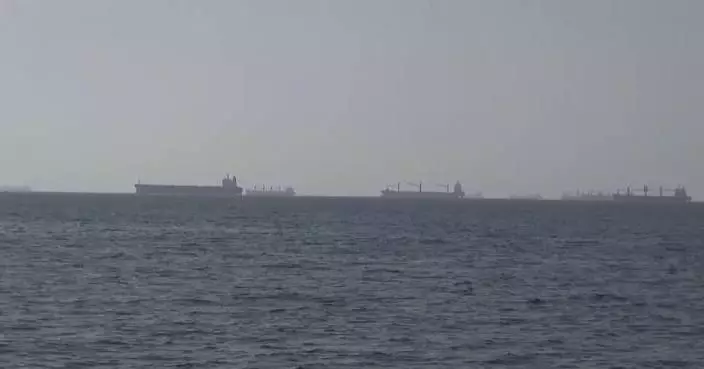
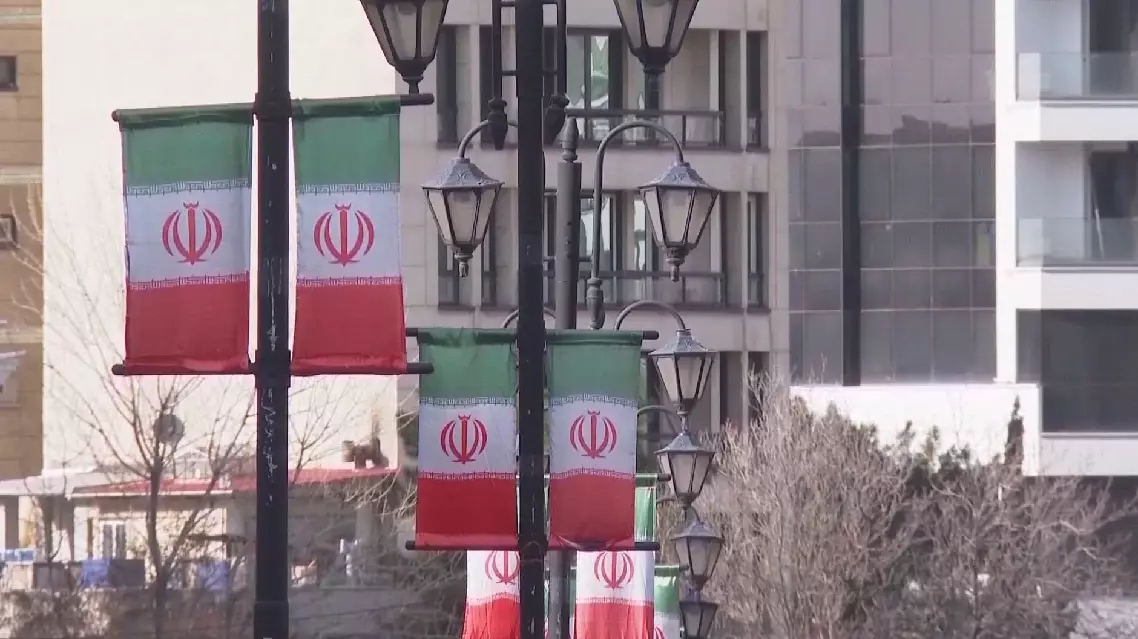
The Navy of Iran's Islamic Revolution Guards Corps (IRGC) said that the Strait of Hormuz has been blocked since Saturday evening and will not reopen until the United States lifts its naval blockade on the waterway.
In a statement carried by its official news outlet Sepah News, the IGRC said that the move came after the United States violated its commitments under the two-week ceasefire, which took effect on April 8, and failed to end its naval blockade against Iranian vessels and ports.
The IRGC Navy called on all vessels and their owners to follow official updates via its channel and VHF Channel 16, the international maritime distress, safety, and calling frequency. The statements by U.S. President Donald Trump hold no credibility in the strait and the Gulf, it added.
The IRGC warned that no vessel should move from its anchorage in the Gulf or the Gulf of Oman, and any approach to the strait would be deemed "cooperation with the enemy" and targeted accordingly.
Tehran's political leadership echoed the IRGC's firm position. Parliament Speaker Mohammad Bagher Ghalibaf asserted that the Strait of Hormuz is under Iran's control, revealing that during previous negotiations, Iran had firmly countered U.S. attempts to carry out minesweeping operations, which Tehran viewed as a ceasefire violation.
He said the situation had come close to conflict, but the U.S. had eventually backed off.
Calling the U.S. maritime blockade "reckless and ignorant," Ghalibaf warned that passage through the strait would certainly be restricted if Washington does not lift the blockade.
Underpinning these public announcements, Iran's Supreme National Security Council on Saturday affirmed the country's resolve to exercise control and supervision over traffic through the Strait of Hormuz until the war is definitively ended and lasting peace is achieved in the region.
For its part, the United States pressed ahead with its own military measures.
The U.S. Central Command (CENTCOM) said in a statement on Saturday that the U.S. military is imposing a maritime blockade on ships entering and exiting Iranian ports and nearby coastal areas. Since the blockade began on April 13, 23 ships have complied with U.S. directions to turn around.
Meanwhile, the U.S. military is preparing in the coming days to board Iran-linked oil tankers and seize commercial ships in international waters, The Wall Street Journal reported on Saturday, citing U.S. officials.
The move will enable the U.S. to take control of Iran-linked vessels around the world, including ships carrying Iranian oil that are already sailing outside the Persian Gulf and those carrying arms that could support Tehran, the report said.
Iran's IRGC says Strait of Hormuz blocked, demands end to US naval blockade