China plans to harness cutting-edge technologies, including rapidly advancing artificial intelligence (AI), to improve grassroots healthcare services, a health official announced during a press conference on Sunday focused on people's livelihood.
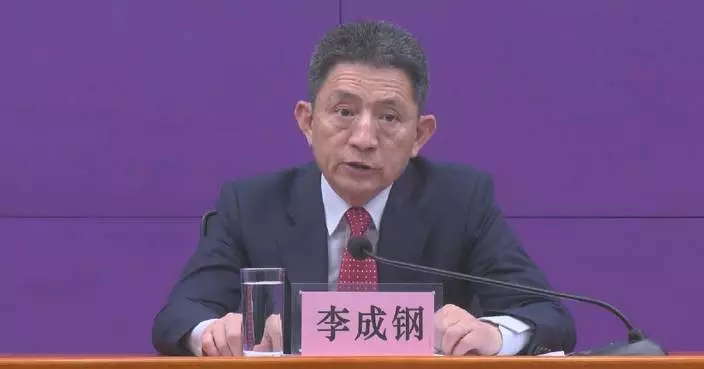
Lei Haichao, chief of the National Health Commission (NHC), highlighted accomplishments and detailed upcoming initiatives to enhance grassroots healthcare infrastructure and services during the third session of the 14th National People's Congress, China's national legislature. "After these years of development, China's capacity and level of grassroots medical and health services have significantly improved. Our country's medical and health system is quite sound. Currently, there are more than 600,000 primary-level medical and health institutions in townships, communities, and villages, with over 5 million grassroots medics providing daily preventive care, rehabilitation, and medical services to the public," Lei said.
To address the demand for accessible medical care, the NHC expanded medical insurance reimbursement to include village clinics last year. This initiative, according to Lei, has already delivered encouraging outcomes, fostering confidence in the present and future of grassroots healthcare services.
"Our statistics show that over 90 percent of village health stations have already entered the designated service range for medical insurance, which greatly facilitates the public in seeking medical treatment and managing expenses. Additionally, as a move to provide central financial support for local health development, the Ministry of Finance has invested nearly 900 million yuan (1.24 million U.S. dollars) in the past two years to upgrade medical equipment in township hospitals, primarily targeting the central and western regions," he said.
Going forward, China will expedite the development of closely integrated medical and health consortia at the county level, with the intent of enhancing grassroots medical services.
The medical consortia program aims to establish a triage system that is led by county-level hospitals and improve the capacity of medical and health institutions at the township and village levels. The end goal is to ensure that common diseases are treated at the city or county level while routine health concerns are managed at the grassroots level.
China aims to complete the establishment of these medical consortia at the county level by the end of 2027.
"We will also further strengthen the capacity of information technology at the grassroots level. We will apply a large number of innovative artificial intelligence-assisted technologies to improve the primary-level service capabilities and levels. Meanwhile, we will further urge and guide local governments to further update equipment and facilities configured by grassroots medical and health institutions, and optimize the conditions for medical treatment and diagnosis," said Lei.
In this year's government work report delivered by Chinese Premier Li Qiang on March 5, China will raise its per capita government subsidies for basic public health services by 5 yuan to 99 yuan (about 13.6 U.S. dollars), representing an increase of 7 billion yuan for the 1.41 billion population. The additional funds will go towards supporting local governments to enhance public health services.
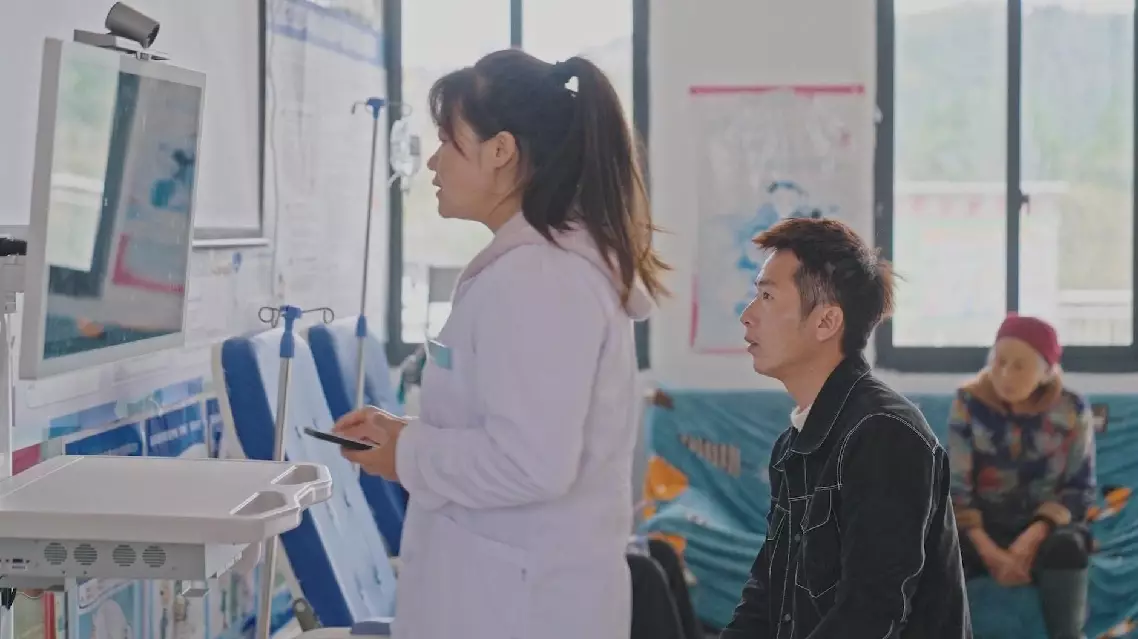
China to apply AI-assisted technologies to enhance grassroots medical services: health official