China's first domestically produced large cruise ship, Adora Magic City, marked its 100th voyage on Monday in Shanghai, having attracted over 350,000 domestic and international tourists since starting commercial operations in early 2024.
At 06:00, the cruise ship concluded its voyage, docking at the Shanghai Wusongkou International Cruise Terminal, where passengers disembarked with smiles of satisfaction.
"There are slides, swimming pools, and 'gardens on the sea' on the cruise ship," said a little boy as he shared what impressed him during the voyage.
"I hope that next time, I can bring my parents along to join me on another Adora voyage," said a female passenger.
Meanwhile, Shanghai's maritime and border inspection authorities have introduced a customized management program to guarantee the safe and efficient operation of Adora Magic City.
"Using tools such as the smart maritime platform, electronic patrols, and the Vessel Traffic Services (VTS) system, we provide advance safety and weather information to the cruise ship passing through the waters under our administration, ensuring the cruise goes safely and smoothly," said Sheng Jinghao, a maritime inspector at the Baoshan Maritime Safety Administration.
"We've implemented a series of measures to continuously streamline the customs clearance process. We use the cruise control system to speed up inspection, greatly reducing passenger waiting times," said Qiao Yingsong, a customs officer at the Pujiang Border Inspection Station.
The Adora Magic City showcases China's growing cruise industry expertise, built with contributions from over 1,000 global manufacturers, symbolizing innovation and international cooperation.
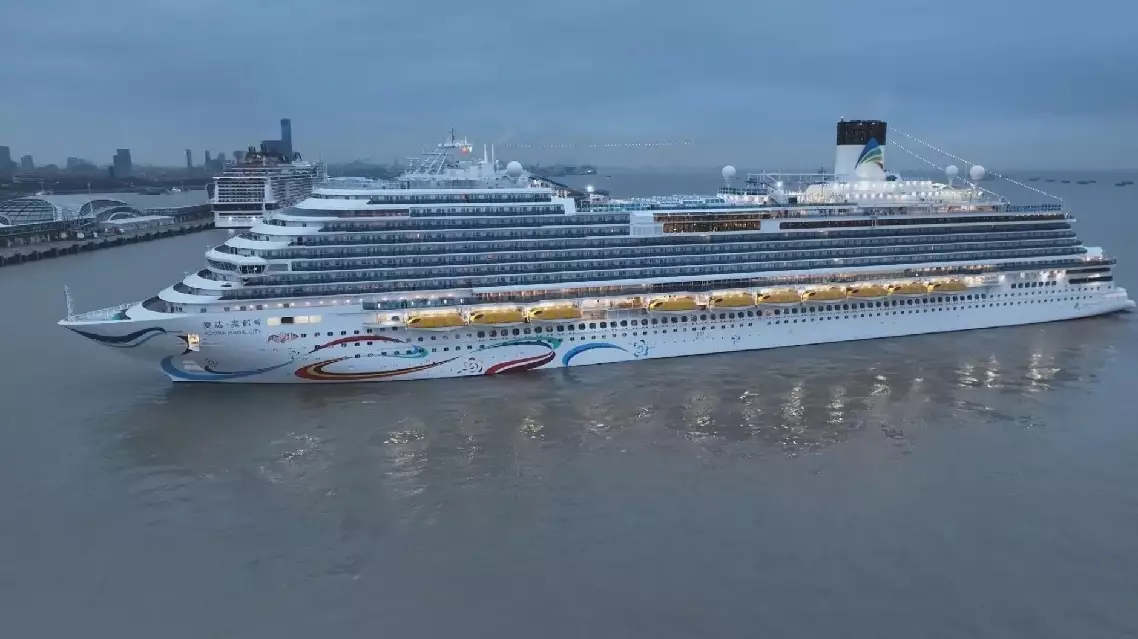
China's first homegrown large cruise ship completes 100 voyages
China is willing to strengthen communication, enhance trust, eliminate interference, and deepen cooperation with Canada to bring bilateral relations forward on a steady and sound track in solid strides under the new circumstances, said Chinese Foreign Minister Wang Yi on Thursday.
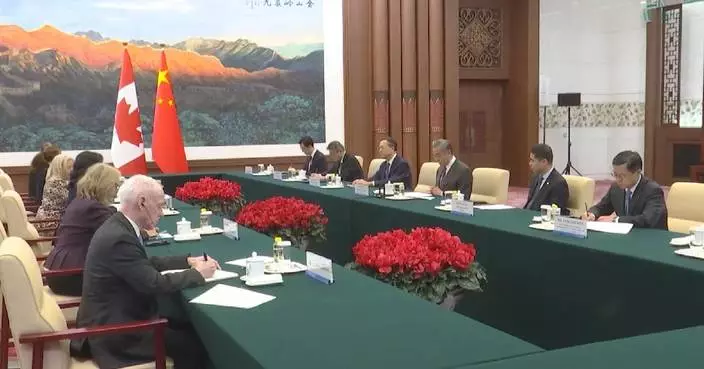
Wang, also a member of the Political Bureau of the Communist Party of China Central Committee, met with Canadian Foreign Minister Anita Anand in Beijing on the day.
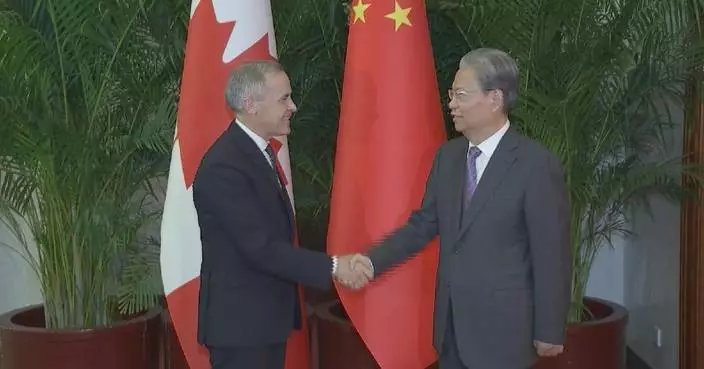
Referring to Canadian Prime Minister Mark Carney's visit to China, the first by a Canadian prime minister in eight years, Wang said the trip marks a milestone in bilateral ties and signals a turning point in the relationship.
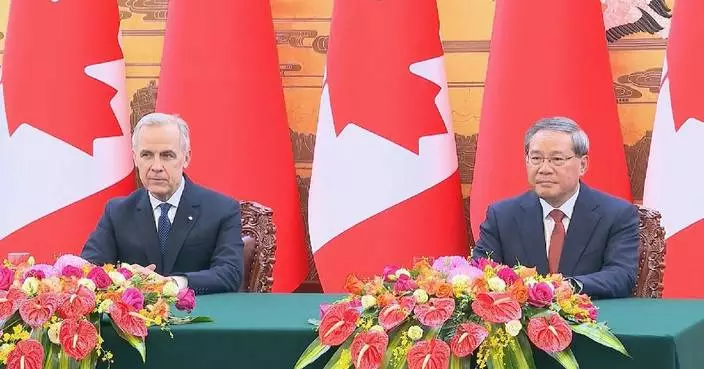
The leaders of the two countries will hold meetings and talks, which are expected to open up new prospects for bilateral relations, said Wang.
The world today is undergoing profound and complex changes, and the impact of China-Canada relations transcends the bilateral scope, Wang noted.
Wang said that China and Canada have different social systems, stemming from different historical and cultural heritage, and based on the choices of their respective people.
He urged both sides to view each other in a rational and amicable manner with an inclusive mindset, handle issues on the basis of mutual respect, focus on the agenda of cooperation, and send positive messages so as to foster optimism, inject greater confidence into the development of bilateral relations, and jointly build a new type of strategic partnership between China and Canada.
Anand said the new Canadian government attaches great importance to relations with China. She also added that Prime Minister Carney looks forward to engaging in in-depth exchanges with Chinese leaders during the visit to set the course for the development of bilateral relations, resume dialogue in various fields, pursue more mutually beneficial outcomes, enhance coordination and cooperation in multilateral affairs, and further advance the strategic partnership between the two countries.
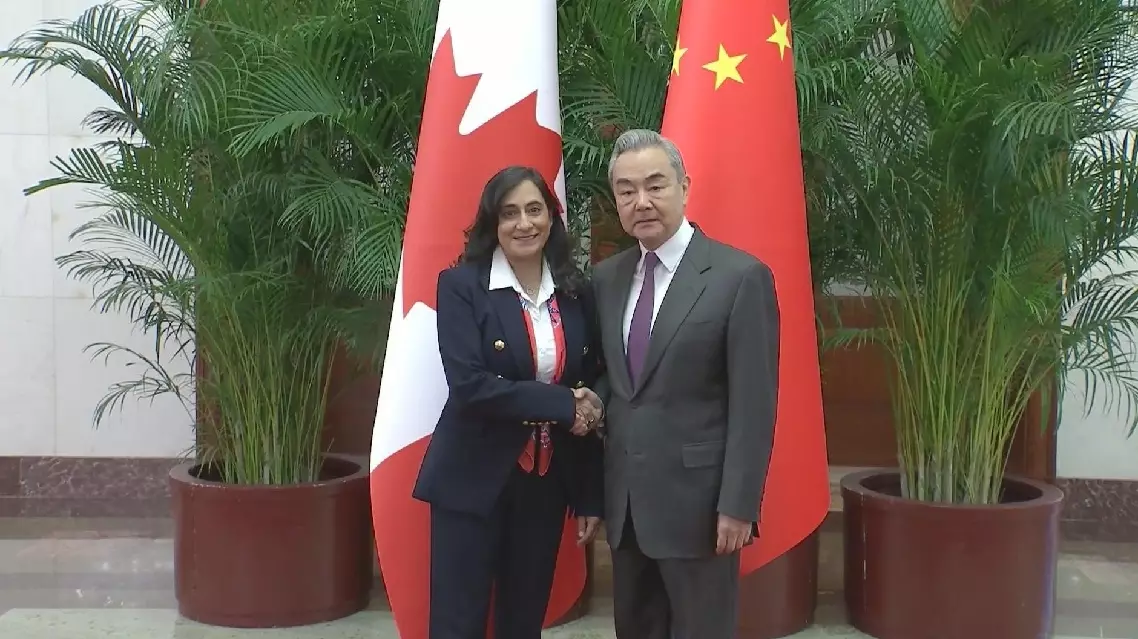
China ready to work for steady, sound ties with Canada: FM