The accumulation of U.S. tariffs on Chinese products does not contribute to so-called "national security," nor does it assist U.S. domestic industries, but merely highlights the unilateralism, protectionism, and bullying practices of the United States, China's Ministry of Commerce said on Thursday.
Spokeswoman He Yongqian made the statements at a press briefing in Beijing, emphasizing that such measures are counterproductive and only serve to undermine international trade stability.
"Both Section 301 and Section 232 tariffs have already been ruled by the World Trade Organization dispute settlement mechanism as violating multilateral trade rules. The accumulation of these tariffs is neither conducive to so-called national security nor helpful to U.S. domestic industries. Instead, it only reveals the United States is practicing unilateralism, protectionism and bullying," she said.
Regarding the U.S. administration's 25 percent tariffs on steel and aluminum imports, which are already in effect, the spokeswoman said that China had already expressed its stance on the U.S. Section 232 tariffs.
She said that China has always believed that the tariffs on steel and aluminum under Section 232 are unilateralism and protectionism under the guise of "national security."
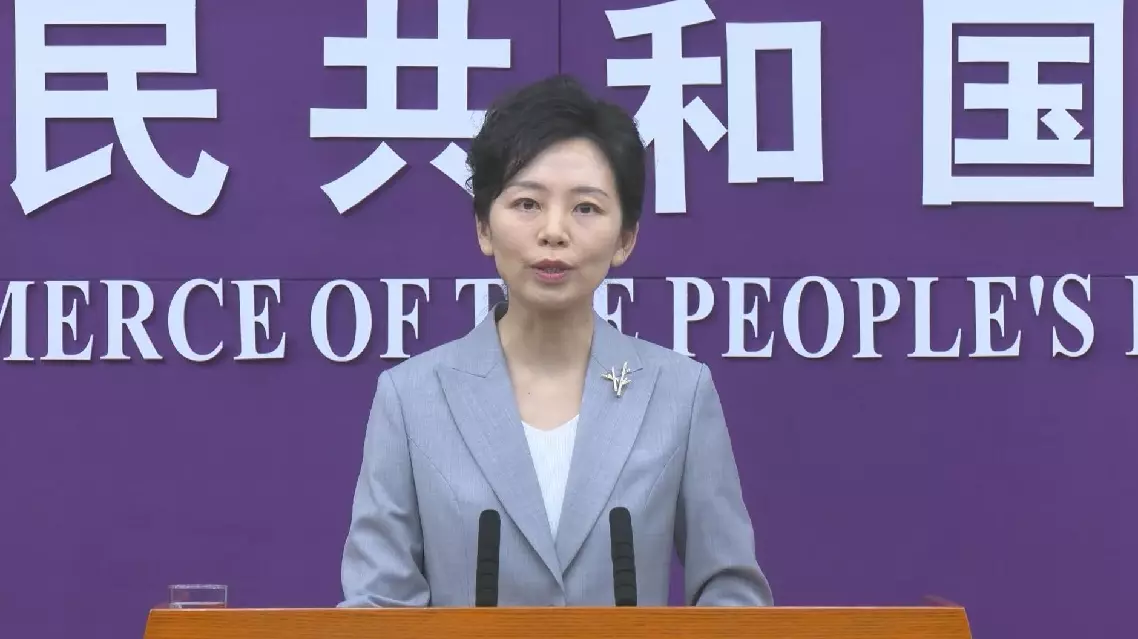
China accuses US tariff imposition of unilateralism, protectionism
China accuses US tariff imposition of unilateralism, protectionism
China and Canada should work together to promote the stable, healthy and sustainable development of bilateral economic and trade relations, Chinese Vice Premier He Lifeng said in Beijing on Friday.
He, also a member of the Political Bureau of the Communist Party of China Central Committee, made the remarks while attending the Canada-China Trade and Investment Banquet together with the visiting Canadian Prime Minister Mark Carney.
Speaking at the event, He said that under the strategic guidance of the important consensus reached by their leaders, China and Canada should adhere to the principles of mutual respect, peaceful coexistence, win-win cooperation, and mutual success, and jointly promote the stable, healthy, and sustainable development of bilateral economic and trade relations.
China is steadfastly expanding high-standard opening up, continuously developing new quality productive forces, and is willing to work with countries around the world, including Canada, to create new prospects for cooperation, said He.
Carney noted at the banquet that China is Canada's second-largest trading partner and said Canada looks forward to strengthening high-level exchanges with China, making full use of dialogue mechanisms in areas such as the economy and trade, and deepening cooperation in trade, agriculture, energy and other fields.
Carney arrived in Beijing on Wednesday to begin a four-day official visit to China, marking the first trip to the country by a Canadian prime minister in eight years.
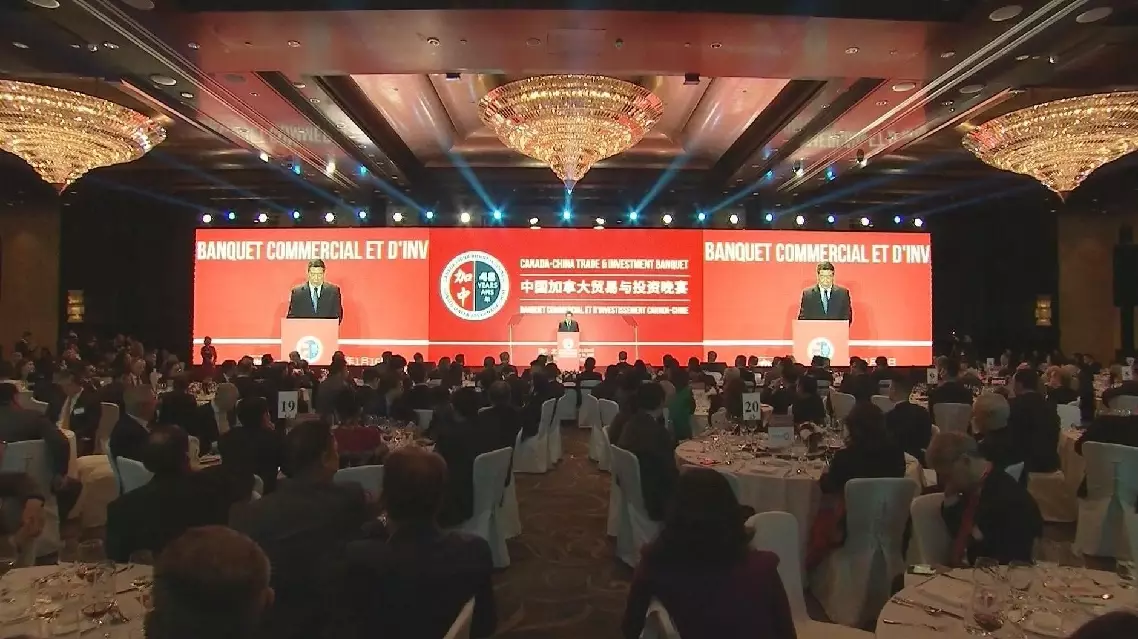
China, Canada should work together for stable, healthy, sustainable economic ties: Vice Premier