Illegal gold mining is posing a severe threat to the sustainability of cocoa production in Ghana, with many farmers and experts calling for the government to provide greater protection against this illegal activity.
The West African country, which is the world’s second-largest cocoa producer and generates about two billion dollars in foreign exchange each year from cocoa, is facing a sharp decline in production. In the past three years, cocoa production has dropped by 50 percent due to illegal gold mining, popularly known as "Galamsey." And farmers are bearing the brunt.
"Some people believe that gold deposits can be found near cocoa farms. So, they go about buying land from farmers and engage in illegal mining in search of gold. Many cocoa farms have been destroyed because of illegal mining," said Atta Mansa, a cocoa farmer.
Ghana's cocoa regulator, COCOBOD, reports that three major cocoa-growing areas are badly affected. It estimates that 81 percent of cocoa farms in the eastern region, 74 percent in the western region, and 68 percent in the Ashanti region have been impacted.
"Sometimes, the farmers don't actually sell their farms out, they are driven out of their plots by unconventional means. They can flood your farm with the dirty water from the Galamsey pits, and you cannot go in there, and you have to abandon the farm. Two things are there, so when it comes to Galamsey, COCOBOD cannot address the issue of Galamsey. It is the state that needs to address the issue of Galamsey," said Emmanuel Kareweh, an agriculture expert.
The expert warned that toxins from contaminated water bodies created by illegal gold mining cause cocoa crops to suffer from diseases and stunted growth. They are concerned that Ghana’s revenue from cocoa could decline if the issue is not directly addressed.
The government has set up a task force to arrest and prosecute illegal miners and plans to create jobs for young people in the affected areas to help clean up polluted water bodies and restore degraded land.
Cocoa farmers remain hopeful that these efforts will help revive their cocoa farms and secure their livelihoods.
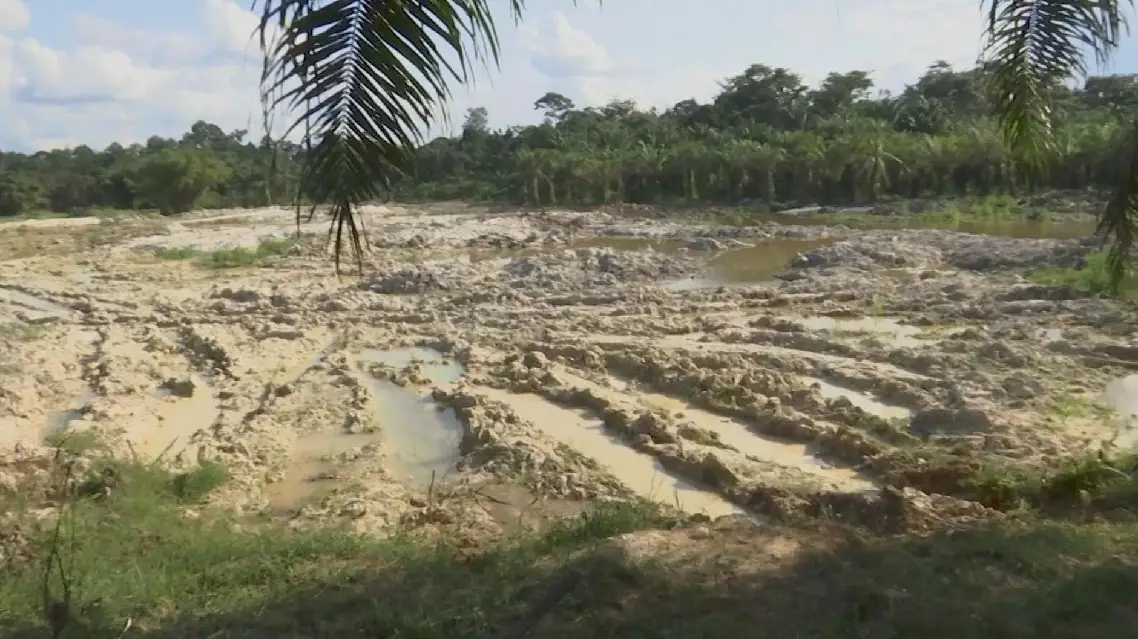
Illegal gold mining takes toll on Ghana's cocoa farms
People in Yemen are struggling for survival as the country continues to grapple with a deepening labor crisis after more than a decade of war, with many lamenting the lack of opportunities which are leaving the livelihoods of many hanging in the balance.
As the world marks International Workers' Day on Friday, the situation in Yemen seems all the more poignant as millions of people are finding it increasingly hard to find any work at all.
In the crowded streets of the capital Sana'a, workers gather on street corners, waiting for jobs that may never come. Ahmed Muawadah is one of the many who are sitting here, watching passing cars, desperately hoping that one will stop and offer work.
"Our suffering is that we sit here without work. Sometimes we spend a whole month without working, except for one day, or just one day every two weeks. Work is very limited, almost non-existent. I have nine children, and I only work one day a month. I cannot support them. Jobs have completely disappeared. If opportunities were opened for us, I and all the workers would work," said Muawadah.
This individual story reflects a broader reality affecting an estimated eight million workers across Yemen. Many of them are hoping to receive a daily wage, but the challenges are mounting in an increasingly strained labor market.
Activity in key sectors such as construction and services has dropped sharply, largely due to the suspension of several international initiatives, including those backed by the World Bank. As a result, income opportunities have narrowed for those who rely primarily on daily wages.
Meanwhile, the widening impact of the U.S.-Israeli war on Iran and the disruption caused along the key Strait of Hormuz -- a key shipping route for global trade -- has brought more misery in recent weeks.
"There has been a significant decline in business activity as a result of the war, the blockade, and the disruption of work. Foreign capital has also left the country, and large companies have moved out of Yemen and stopped their operations. This is one of the main reasons," said Abdul Karim Al, secretary general of the General Federation of Trade Unions in Sana'a.
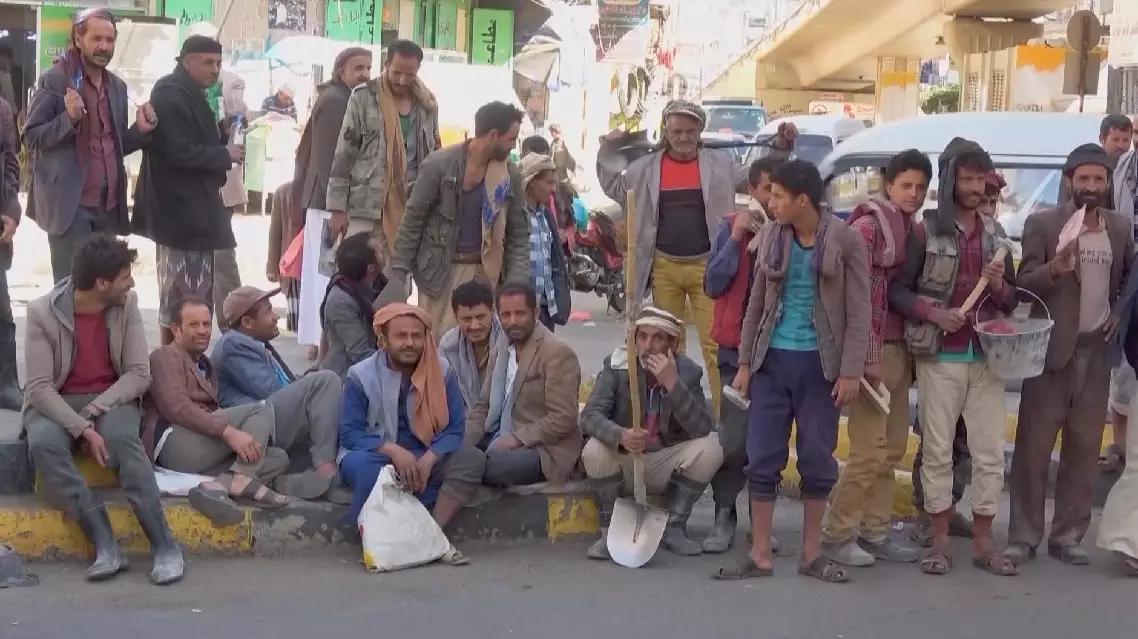
Yemen residents struggling to survive as work dries up amid deepening labor crisis