China is actively developing new programs of foreign aid with a focus on emerging sectors such as the digital economy and artificial intelligence (AI), according to the China International Development Cooperation Agency (CIDCA) on Monday.
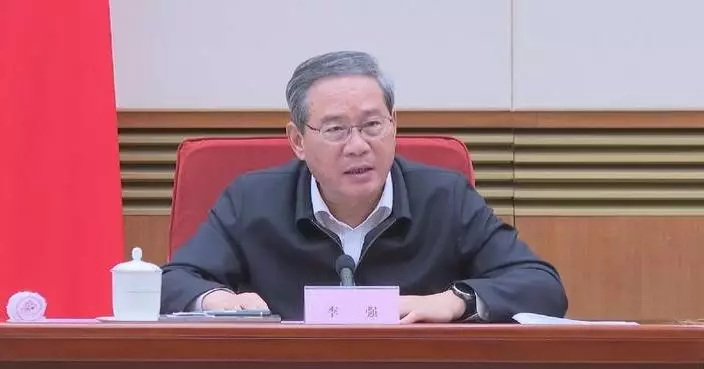
Speaking at a press conference in Beijing, CIDCA spokesman Li Ming said China has been continuously working on cooperation projects aimed at enhancing digital connectivity.
"We have been working continuously to implement cooperation projects on digital economy, as well as digital and smart connectivity. China has helped with the construction of digital infrastructure projects in 15 countries and international organizations, including Pakistan, Laos, Egypt and Uganda. These projects cover areas such as telecommunications, internet services, e-governance, smart transportation and satellites," said the spokesman.
"The China-aided Tanzania National Information and Communications Technology (ICT) Broadband Backbone project has reduced phone tariffs in Tanzania by 58 percent, and internet costs by 75 percent, enabling remote rural areas and their residents to enjoy the fruits of digital developments," he added.
China is also stepping up efforts to cultivate digital talent in developing countries, with nearly 300 training programs on digital-related topics held so far.
Meanwhile, Luban Workshop, a project named after an ancient Chinese craftsman to provide vocational skills training for local people in countries and regions across the globe, have expanded their curriculum to include artificial intelligence.
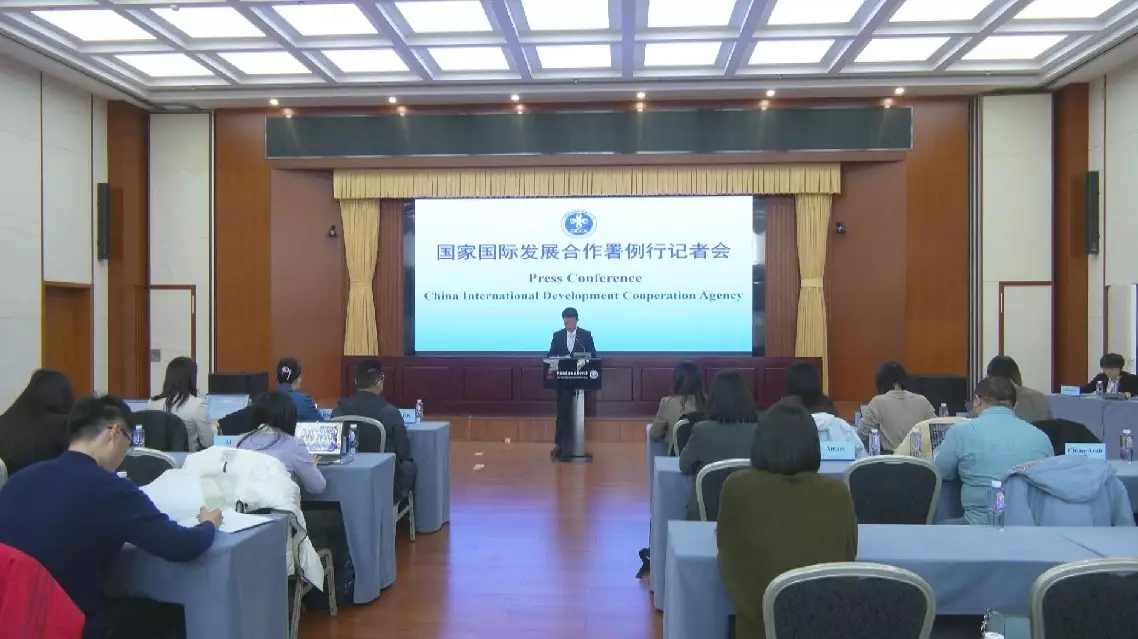
Chinese foreign aid expands into digital economy, AI initiatives

China will roll out a series of targeted measures to stabilize investment and unlock greater space for private capital, an official said on Thursday.
Chen Changsheng, deputy director of the State Council Research Office who participated in the drafting of this year's Government Work Report, made the statement at a press briefing held in Beijing.
He noted that China will leverage the guiding role of government funding and the driving effect of major projects to shore up investment.
Total government investment this year is set to exceed five trillion yuan (about 725 billion U.S. dollars), which will come from central budget investment and local government special bonds for major national strategies and security capacity building projects and equipment upgrades. Meanwhile, 109 major projects have been planned in the draft outline of the 15th Five-Year Plan (2026-2030).
China will also stimulate investment by opening up more application scenarios for businesses.
On the traditional front, a long-term mechanism will be improved to encourage private enterprises to participate in major national projects. For emerging sectors, China will further open scenarios in biomedicine, aerospace, and the low-altitude economy.
"Low-altitude economy has developed rapidly in recent years, with sound applications seen in fields such as agriculture, forestry plant protection, as well as surveying and inspection. Going forward, we will accelerate the opening of airspace resources and streamline approval procedures for low-altitude flights. This will unlock new scenarios including low-altitude logistics and urban management. Similar new opportunities can also be found in service robots and other sectors, all of which will create new space for private investment," Chen said.
By deepening reforms to further unlock investment potential, China will ease market access in the service sector, speed up revisions to the Bidding Law and the Government Procurement Law, and advance price reforms to broaden investment access for more enterprises.
"We will see a new round of investment potential unleashed. Major projects including the national water network, a new round of power grid upgrades, new generation communication networks, and computing power networks will drive massive investment, including demand from urban development. In addition, the campaign this year to expand and upgrade the service sector and the development of emerging industries will further expand space for private investment," Chen noted.
China to take measures to boost investment, expand space for private investment in 2026: official