Skip to Content Facebook Feature Image

Xi visits flower industrial park on inspection in southwest China's Yunnan

China

China

China

Xi visits flower industrial park on inspection in southwest China's Yunnan

2025-03-20 11:00 Last Updated At:20:57

Chinese President Xi Jinping Wednesday visited a modern flower industrial park in the city of Lijiang, southwest China's Yunnan Province.

During the visit, Xi, also general secretary of the Communist Party of China Central Committee and chairman of the Central Military Commission, talked with villagers and technicians working at the flower industrial park, asking about the flower varieties, market sales and their incomes.

The Lijiang Modern Flower Industrial Park, located in Lijiang's Gucheng District, sits at an altitude of approximately 2,300 meters, covering an area of about 1,100 mu (about 73.3 hectares).

It serves as a key hub for China's flower industry, cultivating 48 varieties of fresh-cut roses, with an annual output of 39.56 million stems.

In addition to roses, the park also produces 18 varieties of colored calla lilies, with an output of 900,000 stems each year which accounts for 90 percent of the national market share, making the park the country's largest greenhouse-cultivated colored calla lily production site.

To better cultivate the flower crops, the park utilizes advanced agricultural techniques, including smart greenhouses and soil-less cultivation methods.

Beyond flower cultivation, it also engages in cold-chain logistics, leisure tourism and multi-channel sales expanding into value-added sectors, such as producing rose essential oils, floral fragrances and edible flower products.

With its products reaching major cities like Beijing, Shanghai and Guangzhou, as well as international markets in Japan, Vietnam and Russia, the park has become a significant driver of local economic growth. It has also contributed to the country's rural development by creating jobs for over 300 people living in the surrounding areas.
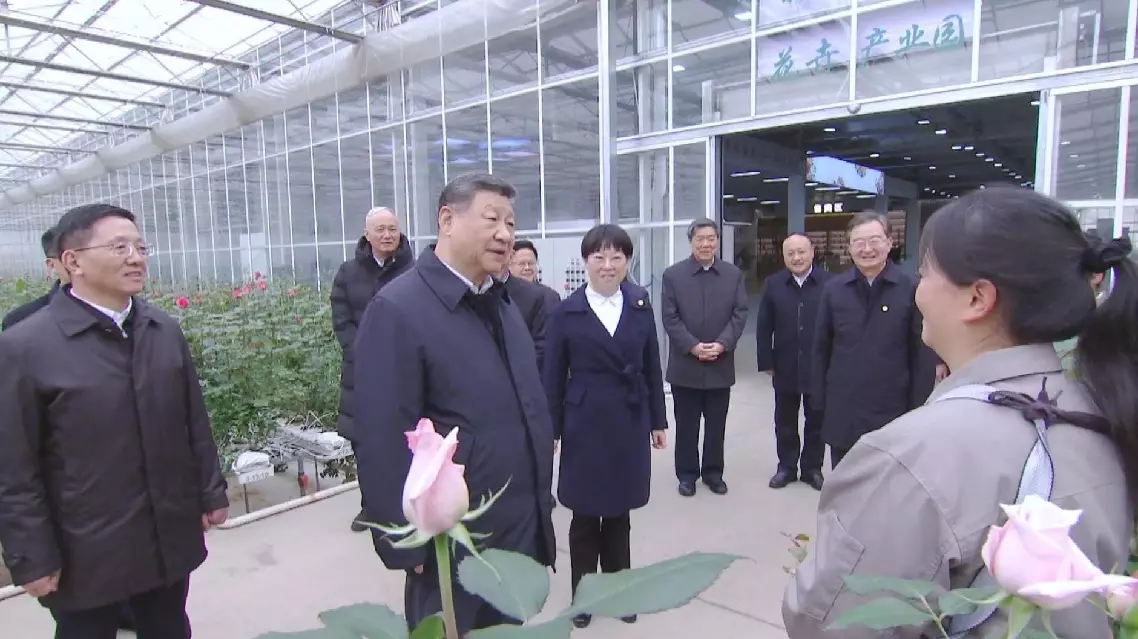
Xi visits flower industrial park on inspection in southwest China's Yunnan
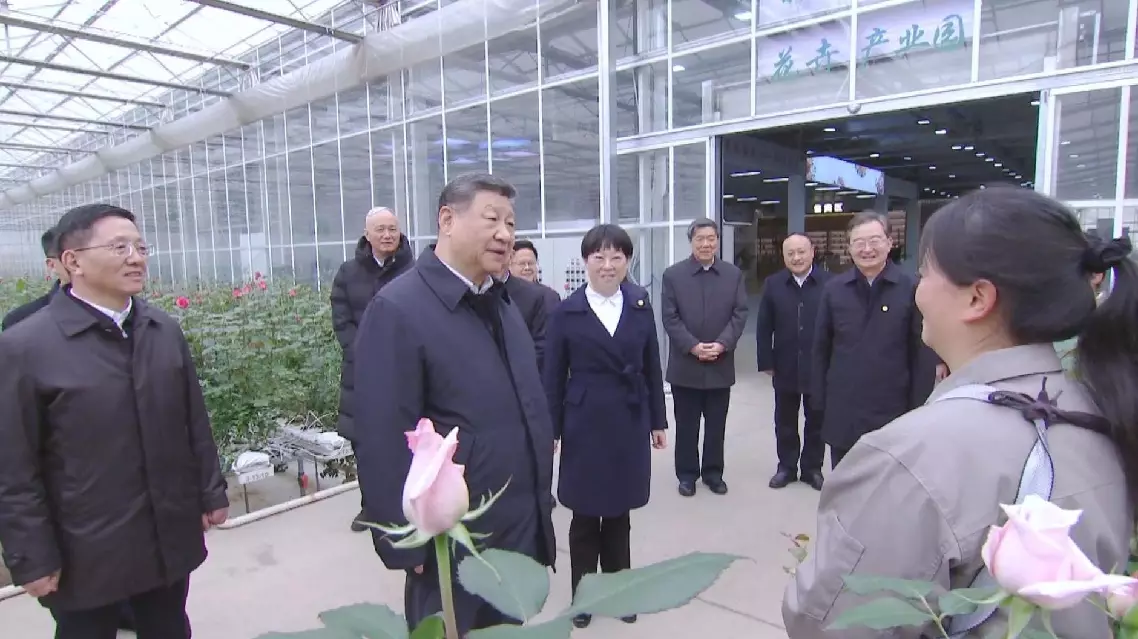
Xi visits flower industrial park on inspection in southwest China's Yunnan
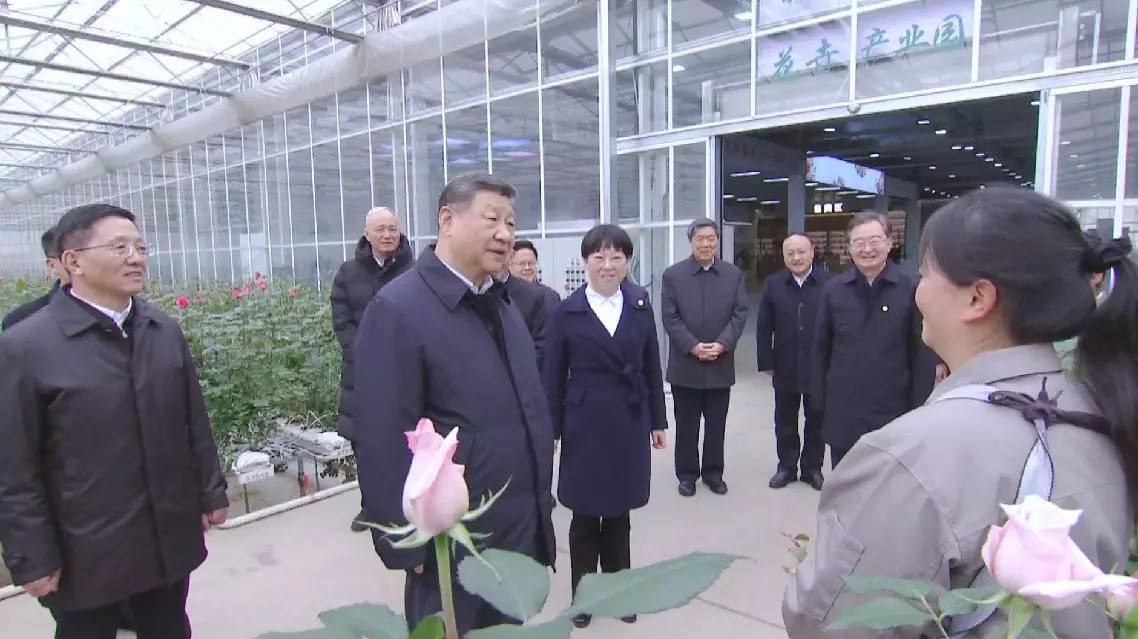
Xi visits flower industrial park on inspection in southwest China's Yunnan
Xi visits flower industrial park on inspection in southwest China's Yunnan
Xi visits flower industrial park on inspection in southwest China's Yunnan
Xi visits flower industrial park on inspection in southwest China's Yunnan

Iran's power grid which has been already weakened by aging infrastructure and years of economic pressure, is now under huge strain as regional hostilities brought by Israeli-U.S. strikes on Iran intensify.

The current Middle East conflict has only worsened the difficulties that many residents and small business owners already faced in Iran.

After two consecutive summers of daily nationwide power rationing, many locals say blackouts have become routine, triggering disruptions that extend beyond electricity to water supply and commerce.

"Summer power outages create challenges for us, affecting many businesses. During blackouts, clients are left stranded in offices, unable to get their work done," said Nasrin, a Tehran resident.

For residents like Nasrin, the instability is already a daily reality. But there are concerns over the dangerous effect which can occur, as when the electricity fails, so do other essential services.

"In some regions, when power outages occur, water supply is also disrupted. Naturally, this causes numerous problems for residents," she continued.

The impact goes far beyond inconvenience. For many business operators, a sudden blackout is not just an interruption, it is a direct hit to their livelihood.

"Power outages directly hurt my business. My shop relies on refrigerators and freezers to store large amounts of food-when the power goes out, the food spoils, leading to major losses. Sales also drop because the POS systems go down, so customers can't pay," said Alireza, a supermarket owner.

Many Iranians had already taken matters into their own hands long before the current war erupted. Over the past two summers, sales of diesel and gasoline-powered generators have surged, as households and businesses alike invest in a costly but increasingly necessary backup.

Businesses, residents suffer as conflict strains Iran's fragile power grid

Businesses, residents suffer as conflict strains Iran's fragile power grid

Recommended Articles