Since the establishment of China's National Healthcare Security Administration seven years ago, the total expenditure of medical insurance fund has surpassed 16.5 trillion yuan (about 2.28 trillion U.S. dollars), with an average annual growth rate reaching 11 percent.
On Thursday, the National Healthcare Security Administration released its latest data, showing the benefits of basic medical insurance have been enhanced steadily.
According to the data, another 91 drugs have been added into the catalog of medicines covered by medical insurance, taking the total number to 3,159.
Meanwhile, the direct settlements for cross-provincial inpatient and outpatient medical bills rose by 27.37 percent and 90.18 percent, respectively.
The 25 provinces that originally undertook the task of poverty alleviation through medical insurance are now having access to three institutional guarantees of basic medical insurance, critical illness insurance, and medical assistance, which have benefited 218 million people and lowered their medical costs by 196.16 billion yuan.
The expenditure of maternity insurance came in at 143.178 billion yuan, up 33.92 percent.
"We have also focused on liquidizing the existing funds, deepening the reform on outpatient supply of employee medical insurance, and expanding the group coverage and usable range of mutual-aid personal accounts. In 2024, a total of 51.2 billion yuan was used by mutual-aid personal accounts across China, which effectively reduced the burden of premiums and medical treatment for insured people," said Zhang Chenguang, deputy director of the National Healthcare Security Administration's financial regulation department.

China's expenditure of medical insurance fund grows 11 pct annually
The Global Security Initiative (GSI) proposed by China has shifted the paradigm in thinking about global security away from the traditional zero-sum mentality toward a vision rooted in dialogue and development, said a Chinese expert on Tuesday.
In April 2022, China proposed the Global Security Initiative (GSI), which aims to create a new path to security that prioritizes dialogue over confrontation, partnership over alliance, and win-win over zero-sum thinking.
The initiative provides a new course and approach to addressing the root causes of international conflicts and solving security challenges facing humanity.
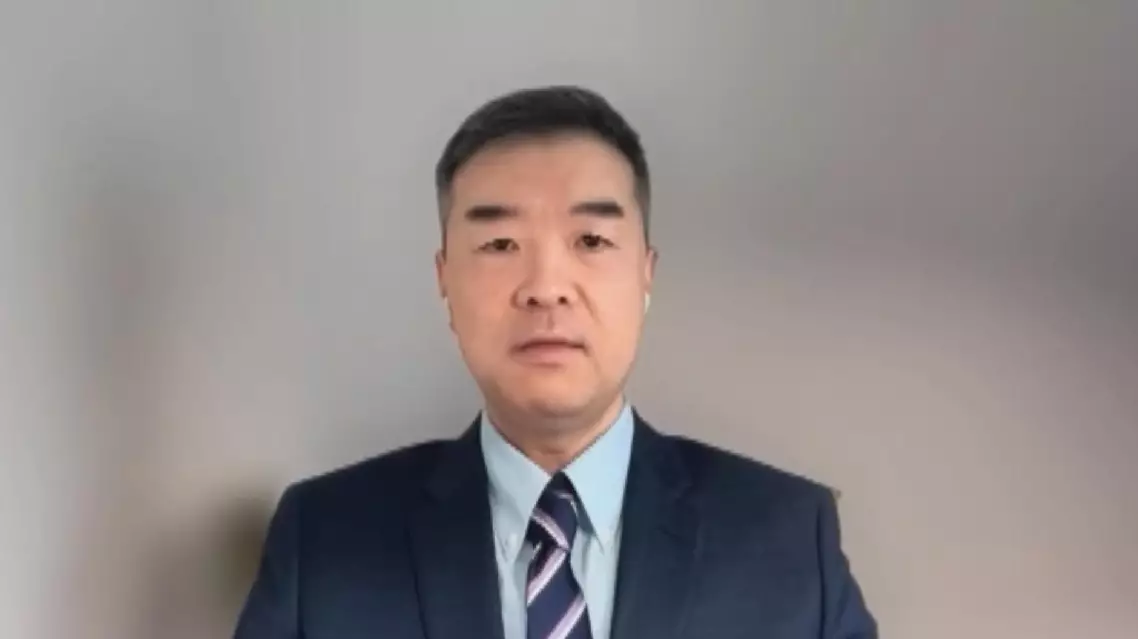
During an interview with China Global Television Network (CGTN), Wang Xinsong, associate professor at the School of Government at Beijing Normal University, hailed the initiative's importance amid escalating global challenges.
"It's been four years and we have witnessed that the Global Security Initiative or GSI has transformed from a framework in principle to an action plan with many actions having taken place in mediating the conflicts. The major difference between the GSI and the traditional and the existing mainstream idea about global security is that the mainstream idea is being the zero-sum mentality where the belief is that one country's safety is possible only if its neighbors safety is not existent. The GSI shifts the paradigm in thinking about global security away from the zero-sum mentality by arguing that security at the end of the day is very much related to development," Wang said.
Over the past four years, China has consistently promoted the implementation of the GSI. By the end of 2025, the initiative has received support and appreciation from more than 130 countries and regions, as well as international organizations, and has been explicitly incorporated into more than 140 bilateral and multilateral documents at home and abroad.
China's Global Security Initiative shifts paradigm away from traditional zero-sum mentality: expert