Taiwan's Democratic Progressive Party (DPP) authorities will only hurt the island's industries and endanger people's wellbeing by advocating its "decoupling and severing the chains" proposal, said a Mainland spokesman on Wednesday.
Taiwan's leader Lai Ching-te recently touted his proposal that Taiwan should enhance a "non-red supply chain" with its "democratic peers" to pursue a "global layout" for the island's industries.
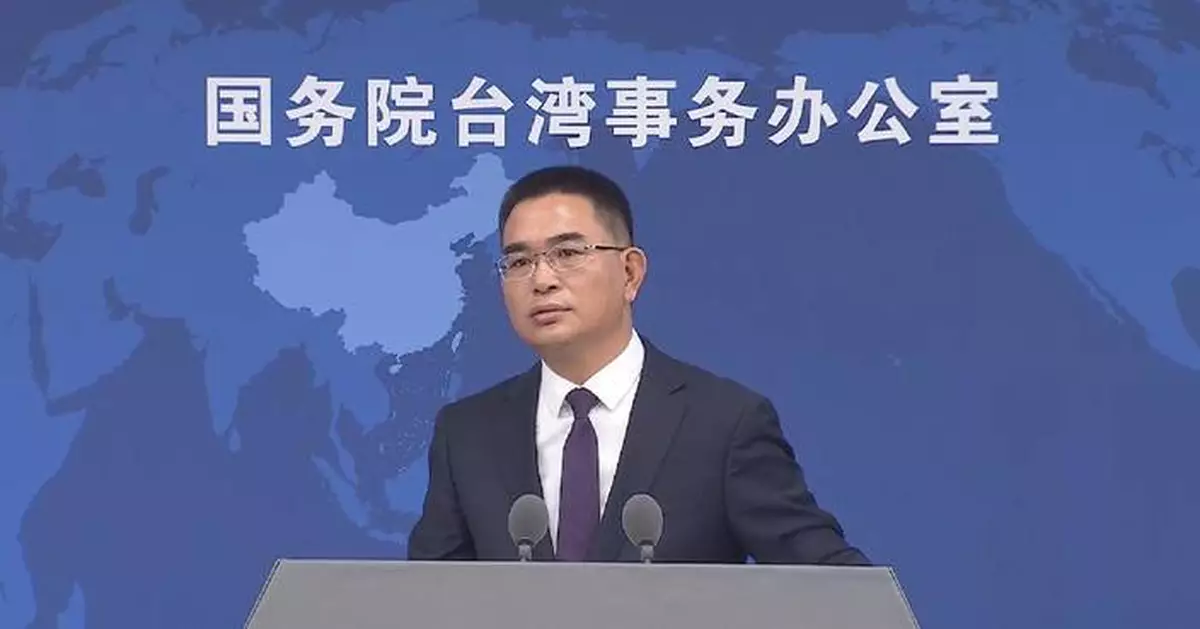
This move towards decoupling with the Mainland will only draw backlash to Taiwan's economy instead of bringing benefits, said Chen Binhua, spokesman for the State Council Taiwan Affairs Office. "The economies on both sides of the Straits have their respective characteristics and advantages that complement each other. Cross-Strait industrial- and supply-chain cooperation is a natural result of economic development. It is a cooperative system formed by enterprises on both sides of the Strait making independent choices and optimizing resource allocations based on market laws. It is conducive to the development of enterprises on both sides of the Strait and to improving the well-being of people across the Strait. If you have to define this production and supply chain by colors, then benefiting Taiwan and the people is its underlying color," he said.
Lai's intent behind his proposal is to reap political gains, with no regard for the benefits of the island's industries and people's wellbeing, Chen revealed.
"Lai Ching-te defies the economic and market laws to set up the so-called 'non-red supply chain' by pandering to external forces and repeating the obsolete tune of 'democracy versus autocracy'. In essence, he is selling out Taiwan's advantageous industries, sacrificing Taiwan's development prospects, and destroying the livelihood of Taiwan people in exchange for the support of external forces for his pursuit of 'independence'. It's unrealistic for the economies of both sides of the Taiwan Strait to decouple or break from each other. Lai Ching-te's forced 'decoupling and severing the chains' will only hurt Taiwan's industries, damaging the interests and well-being of Taiwan's enterprises and people. Selling out Taiwan for so-called 'independence' will only harm and destroy Taiwan," he said.
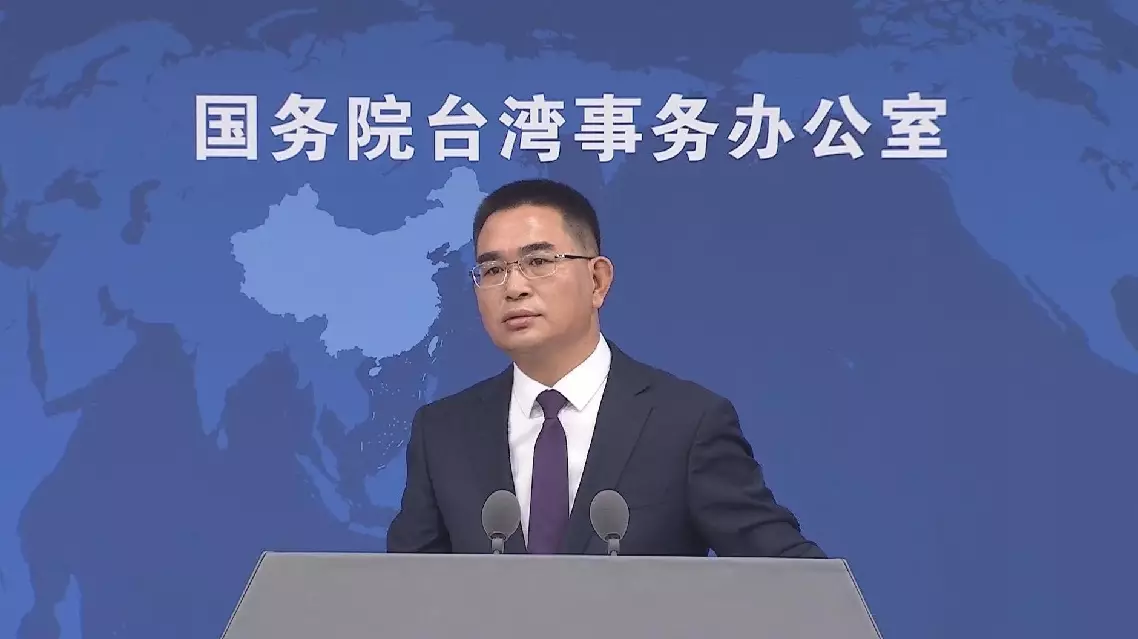
DPP's "non-red supply chain" proposal will only hurt Taiwan: spokesman
DPP's "non-red supply chain" proposal will only hurt Taiwan: spokesman
An industry observer said that 2026 is poised to be a "year of sequels and cultural stories" in global animation, following a strong 2025 where such films dominated box offices worldwide.
With heavyweights like Toy Story 5, Minions 3, and China's perennial favorite Boonie Bears set for release, along with culturally rooted productions such as The Three Kingdoms: War 1 Luoyang, the coming months are expected to draw large audiences and reinforce animation's central role in cinema.
This optimism is built on a solid foundation from the previous year.
Looking back at China's film market in 2025, animated features emerged as a powerful driving force. Four of the year's top 10 highest-grossing films were animations, three of which were domestic productions.
Total animation revenue exceeded 25 billion yuan (around 3.58 billion U.S. dollars), capturing nearly 50 percent of the annual box office. As the new year unfolds, the animation sector continues to shine with promising highlights.
A key trend driving this momentum is the surge of sequels from major franchises.
"One notable trend is the abundance of sequels to classic animated films, particularly from Hollywood. Several iconic series are releasing new installments, making 2026 a year of animated sequels. Given their strong IP foundation, these sequels are expected to attract more audiences' attention and achieve solid box office results," said Hu Jianli, secretary general of the Chinese Film Critics Society.
Alongside these international sequels, domestic animation IPs are also deepening their influence and expanding their reach. The annual Boonie Bears series will welcome its latest installment, while the popular TV series The Immortal Ascension is set for its big-screen debut.
"It's fair to say that the Boonie Bears series has maintained the most consistent quality among domestic animated film franchises over the years. Its expansion from television to movies, merchandise, and theme parks represents a fully developed industrial chain, greatly strengthening the IP's presence in the public consciousness. As for The Immortal Ascension, it's the first time that the animation IP is adapted for the big screen, which naturally generates exceptional attention—especially following the successful live-action web series last year. If this first animated film adaptation succeeds, it has the potential to become a major film IP in its own right," said Hu.
Beyond the reliance on established franchises, another significant creative trend is the growing number of animated films drawing inspiration from China's rich classical literature and historical epics. This approach aims to connect with audiences through deeply rooted cultural narratives.
A leading example is a prominent Chinese animation studio Light Chaser Animation's upcoming "The Three Kingdoms: War 1 Luoyang", which dramatizes the early power struggles from the famed historical period.
"We are seeing a clear increase in animated films adapted from classic Chinese novels and myths. Light Chaser Animation Studios' 'New Culture Series' has performed exceptionally well in our animated film market—for example, 30,000 Miles from Changan earned over 1.8 billion yuan (around 257.98 million U.S. dollars) at the box office. This series has truly succeeded in creatively transforming and innovatively developing China's outstanding traditional culture for the big screen, while also resonating emotionally with today's young audiences through its storytelling and character adaptations," said Hu.
Beyond sequels and adaptations rooted in traditional culture, original animated films are also carving out their space with unique concepts and distinctive styles, showcasing further creative possibilities.
Titles such as Arco, a 2025 animated science-fantasy film, and Pixar's Hoppers exemplify this trend of innovation.
"I believe animated films will remain a major force in the global box office in 2026. The worldwide top-grossing film of 2024 was Inside Out 2, and in 2025 it was China's Ne Zha 2. So I'm confident that animated films will once again rank among the highest-grossing releases globally this year," Hu said.
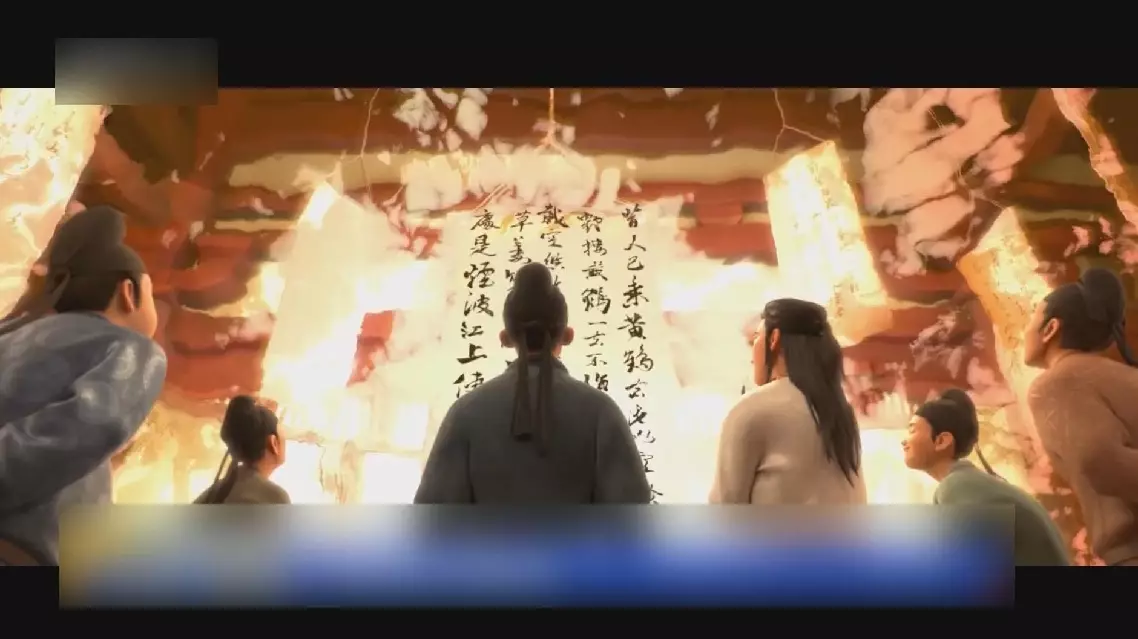
Animated films set to dominate 2026 global box office with strong lineup