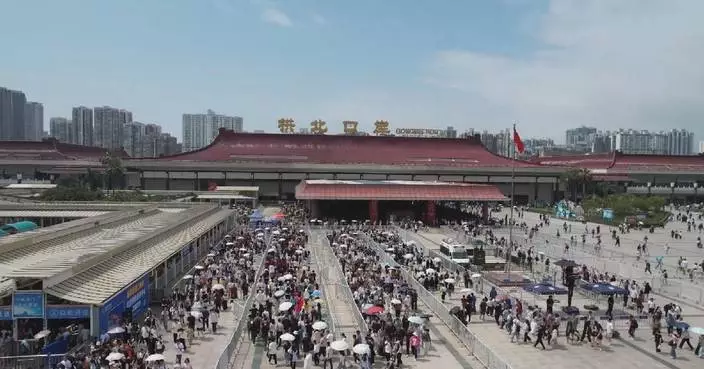
China is optimizing its visa-free transit policy for the "China Travel" boom, fostering increased exchanges and leading to a surge in international flows.
Since December 17, 2024, China's National Immigration Administration has extended the visa-free transit period for foreigners to 240 hours or ten days.
The optimized visa policy has greatly facilitated foreigners' visits to China for tourism, business and family reunions.
A Russian passenger who arrived at Guangzhou Baiyun Airport to attend the China International Furniture Fair, held in Guangzhou City of south China's Guangdong Province in March, spoke highly of the visa-free policy.
"I came for business, for furniture fairs, we are in Guangzhou in March, and in September in Shanghai. Because you extended the term from, it was previously four days, I think, now it's ten days. So, [it's] more convenient. I can stay for a longer time to meet some friends, local business partners, not just the fair, not just three or four nights, but a longer period of time, much more helpful for my business needs," he said.
Meanwhile, the popularity of "China Travel" is steadily increasing, with foreign tourists flocking to Beijing this spring.
"Since the implementation of the new [visa-free] policy, the border inspection station of Beijing Daxing International Airport has issued temporary entry permits for more than 20,000 foreigners, an increase of 103 percent over the same period in previous years," said Zhang Xu, deputy director of the border control department of the airport's border inspection station.
Data shows that the airport saw over one million inbound and outbound passengers 25 days ahead of schedule this year. As a key gateway for foreign visitors, major domestic airports have been expanding or initiating new international routes and increasing flight frequencies to accommodate the expected surge in international passenger traffic due to the visa-free policy.
While many international flights to the city still go through its older airport, Beijing Capital Airport, and increasing number of carriers are landing at Daxing, which offers a more modern airport experience for passengers. "Of the 54 countries that comply with the applicable policies, Beijing Daxing International Airport currently serves 10 countries. Towards the end of March, the airport will welcome more new airlines and new international and regional routes, including Vietnam Airlines and Vietnam VietJet Air. In the near future, Royal Brunei Airlines will resume the Beijing Daxing - Brunei Bandar Seri Begawan route on April 28 in accordance with the immigration policy," said Li Ziwei, business manager of the airport's aviation business department.
With the optimization of visa-free policies allowing passengers to travel across designated regions within China, the profile of inbound foreign tourists has shifted from transiting visitors to those engaging in more in-depth explorations, driving an increase in cross-regional international tourist flows.
To better meet the travel needs of visa-free transit passengers for inter-provincial journeys, major airports across the country are enhancing connectivity with domestic flights, railways and highways.
Leveraging its domestic connectivity advantages, Shenzhen's Bao'an International Airport in Guangdong, in collaboration with multiple airlines, has increased flight frequencies on domestic routes to other provinces eligible for the 240-hour visa-free transit policy, including Sichuan, Chongqing, Yunnan, Henan and Heilongjiang, providing a diverse range of travel options for travelers exploring destinations in the country.
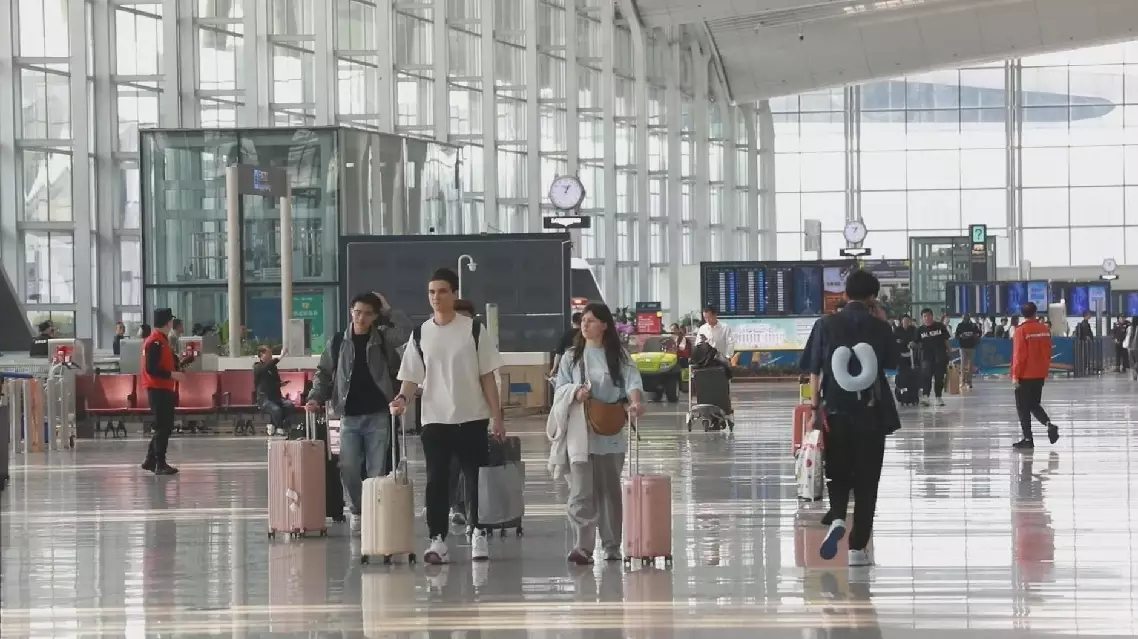
China's int'l airports welcome surge in travelers amid optimized visa-free policy