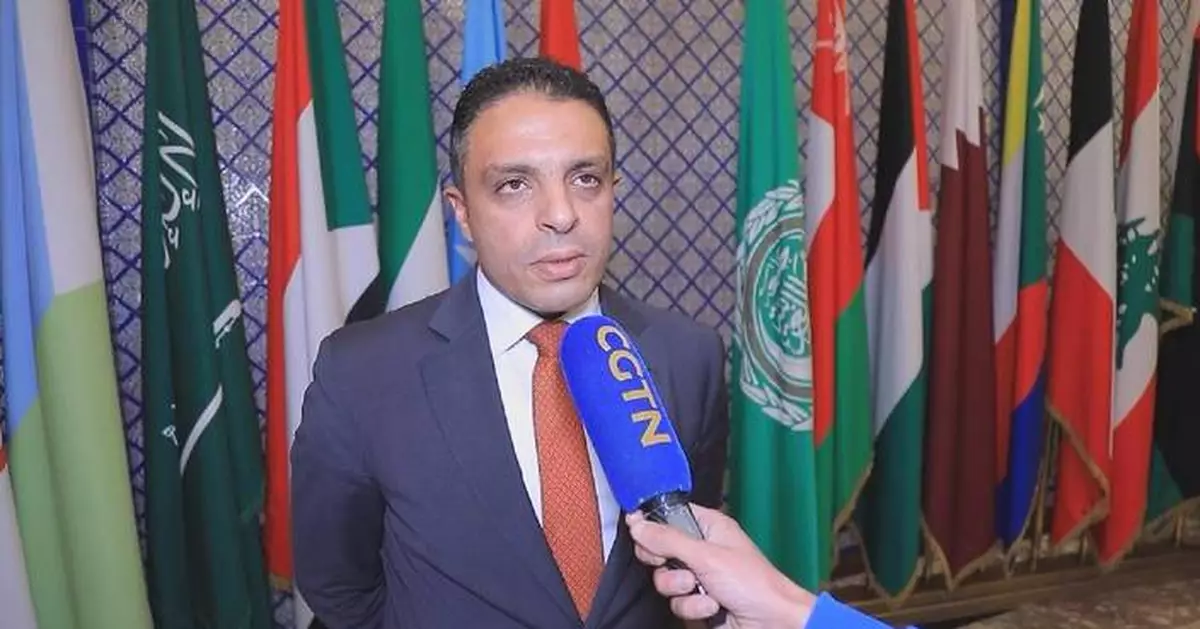
Arab countries are closely monitoring the potential regional ramifications of the deepening conflict between Iran, the U.S., and Israel, and urge all sides to return back to the negotiating table as there is "always room for a diplomatic solution", according to an Arab League spokesman.
Joint military strikes launched by the U.S. and Israel on Iran on Saturday have triggered a sharp escalation across the Middle East in recent days, setting off waves of missile exchanges, mounting casualties, and far-reaching political and security repercussions.
The attacks have triggered massive retaliations from Iran, with explosions or missile strikes reported in Israel as well as countries such as Bahrain, Qatar, Kuwait, Jordan, the United Arab Emirates (UAE), and Saudi Arabia.
In an interview with the China Global Television Network (CGTN) in Egypt, Jamal Rushdi, spokesperson for the Secretary General of the Arab League, a Cairo-based regional organization comprised of 22 countries across the Arab world, reiterated the stance of the group's member states, who have roundly condemned all acts of aggression and want to see a de-escalation of hostilities.
Rushdi noted that the attacks came even as negotiations over a possible nuclear deal were ongoing between the U.S. and Iran, mediated by Oman, with rounds of talks having already being held in Muscat and Geneva before the U.S. and launched their strikes.
"Arab countries did not want this war. Some Arab countries, as we all know, have worked diligently for weeks to mediate between Iran and the United States to avoid the situation we are facing now in the Middle East, to avoid the war," he said.
The current conflict has plunged regional peace and stability into chaos and caused significant economic uncertainty on a broader scale, with airspace across the Gulf region being closed and concerns over the disruptive impact on the Strait of Hormuz, after Iran threatened to strike vessels on this crucial regional shipping passageway.
"The risks for this situation to go out of hand are high. We are witnessing [and] we are monitoring closely the ramifications on the economic front, especially with regard to the Maritime straits like Hormuz. And we call on Iran to refrain from attacking Arab targets, knowing that expanding the conflict will not serve the Iranians and will further escalate the situation," said Rushdi.
While the situation threatens to spiral out of control, Rushdi stressed that military confrontation is not the right way to resolve disputes, and said the Arab states urge all sides to restore diplomatic engagement in order to find a viable outcome.
"There is always room for a diplomatic solution to this crisis. Oman has worked for weeks to mediate between Iran and the United States. As the Omani foreign minister stated clearly before this war, there was a clear opportunity for a settlement. There was a possibility, a room for a breakthrough in the negotiations," said the spokesman.
"We think that at the end of the day, this conflict between Iran, the United States, and Israel, could only be resolved at the negotiating table. There is no other way. Military operations and wars will not resolve the outstanding issues [and] will not bring peace to the region. There is always room for diplomacy and we should give diplomacy a chance even with all the violence that [we] are witnessing now," he added.
Arab League spokesman says "always room for diplomatic solution" as Iran conflict deepens
Arab League spokesman says "always room for diplomatic solution" as Iran conflict deepens
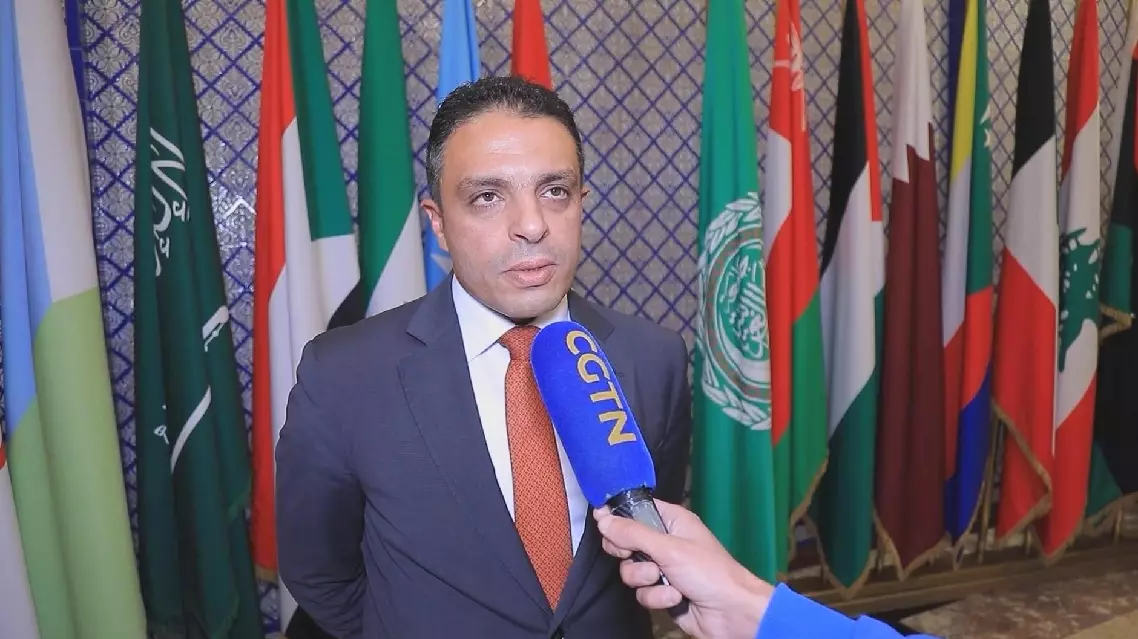
Arab League spokesman says "always room for diplomatic solution" as Iran conflict deepens