A Chinese Foreign Ministry spokesman on Thursday slammed the United States for spreading disinformation about China's investment in the Caribbean, saying the country should reflect on its own history of hegemony, bullying and plundering of the region and beyond.
The spokesman's statement came after U.S. Secretary of State Marco Rubio made irresponsible remarks against China during a visit to Jamaica on Wednesday. During the visit to the Caribbean nation, Rubio warned of China's "predatory practices" in the region, claiming that its investments would saddle these countries with loans that "cannot be repaid."
Speaking at a regular press conference in Beijing, Guo Jiakun, the spokesman, refuted the claim.
"The U.S. is maliciously spreading disinformation, aiming to sow discord between China and other countries, but such attempts will not succeed. China has always upheld the principles of mutual respect, equality and mutual benefit, openness and inclusiveness, and win-win cooperation in its investment and cooperation with other countries around the world, and has always respected the will of the relevant countries. This has effectively promoted the economic development and improved the livelihoods of the relevant countries, bringing tangible benefits to local people," Guo said.
"The so-called 'debt burden' narrative is nothing but a hype that disregards the facts. Who is truly engaging in coercion and exploitation is something known to all. We urge the U.S. to seriously reflect on its own history of hegemony, bullying, and plundering of developing countries in Latin America and the Caribbean, and to stop distorting China's image and smearing China," said the spokesman.
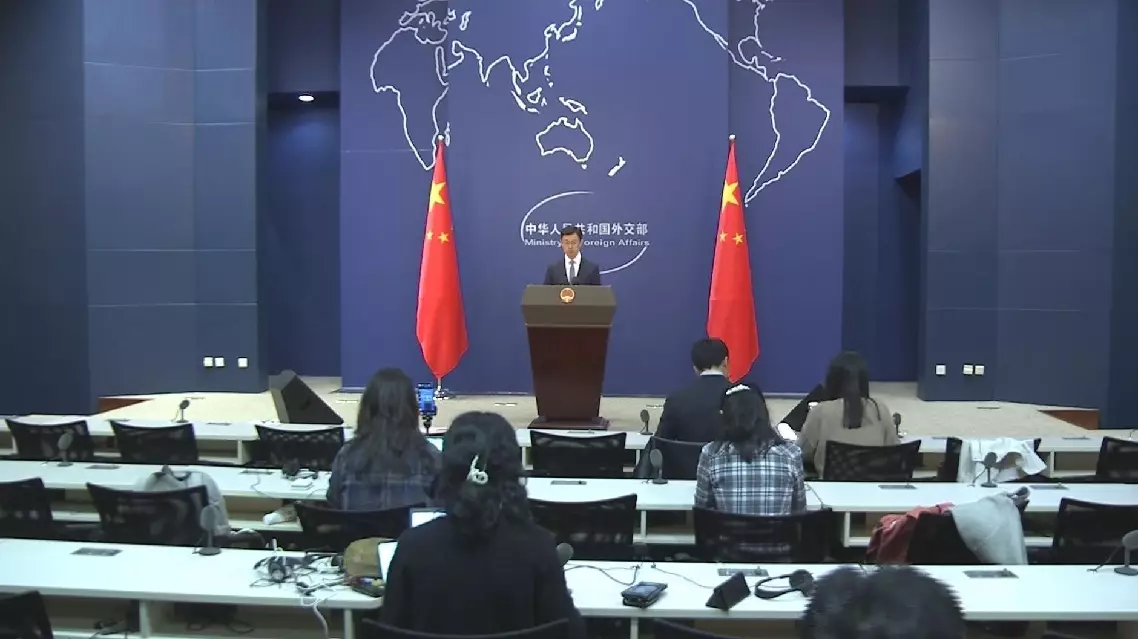
Foreign ministry slams U.S. for spreading disinformation about China's investment in Caribbean
China has stepped up efforts to optimize the layout of its future industries since the beginning of the year, with breakthroughs accelerating in frontier technologies from advanced robotics to orbiting data centers.
In 2026, a series of landmark projects have taken shape across the country. In Beijing, preparations are underway for the country's first space computing innovation center. The areas of research at the center will aim to gradually relocate ground-based data centers to outer space to enable data collection, processing and output in orbit. China has also issued plans to accelerate the development and improvement of the space computing industrial ecosystem this year.
In Shanghai, the world's first pilot platform for humanoid robot components is taking shape. By establishing small-scale trial production lines for five categories of components, including reducers, the platform offers 72 testing and verification services, significantly lowering the development threshold for humanoid robots.
Since the beginning of 2026, China has launched over 100 innovation and research tasks for future industries through its open competition mechanism, focusing on general artificial intelligence, quantum technology, atomic-level manufacturing and clean low-carbon hydrogen energy. Key areas of application have been identified, while manufacturing innovation centers and pilot platforms in priority fields have been established to speed up the translation of cutting-edge technologies from laboratories to production lines.
The momentum is also evident in the clean energy sector. In north China's Shanxi Province, hydrogen-powered shared bicycles have hit urban streets, while more than 15,000 hydrogen heavy-duty trucks operate on logistics routes. Local authorities are also planning several cross-provincial hydrogen logistics corridors.
To sustain this growth, China will implement tiered nurturing for unicorn enterprises and specialized, sophisticated small and medium-sized enterprises in key sectors this year. The country will also advance the development of future industry pilot zones based on local industrial strengths. To date, some 54,000 innovative businesses nationwide have settled into the country's 193 innovative industrial clusters.
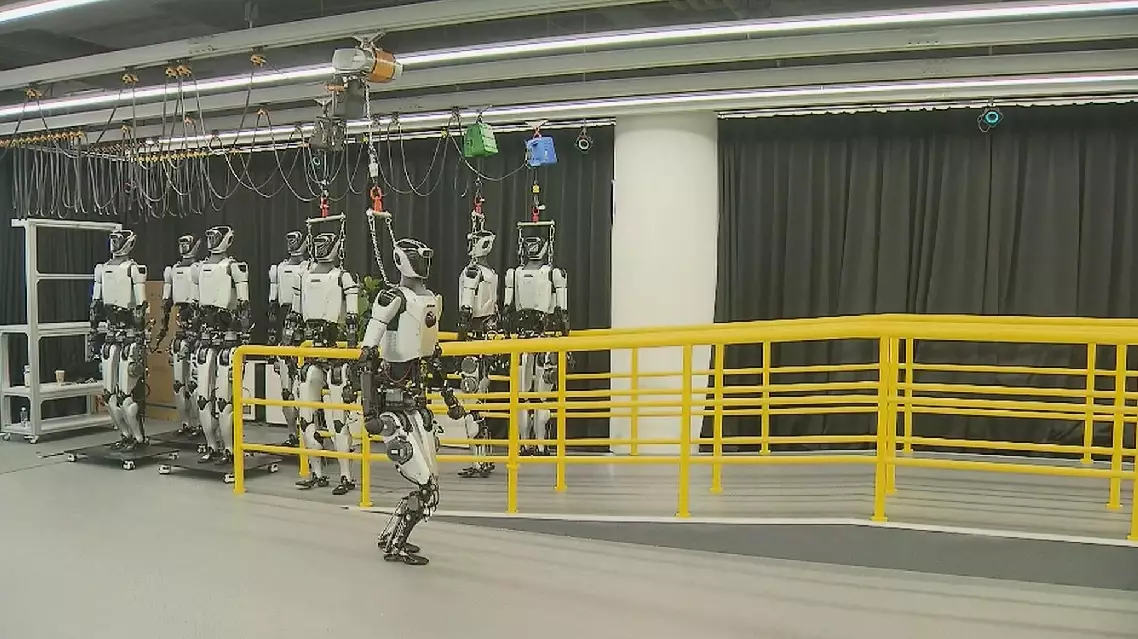
China accelerates layout of future industries in 2026