President Xi Jinping called on China and Bangladesh to draw upon the long-history of friendly exchanges between the two peoples to push for greater development in bilateral relations, when meeting with Bangladeshi interim government's Chief Adviser Muhammad Yunus in Beijing on Friday.
During the meeting, Xi expressed his pleasure of meeting with Yunus in Beijing. "Chinese and Bangladeshi people enjoy a long history of friendly exchanges, as the ancient Silk Road closely links our two nations together. Since the establishment of diplomatic ties, the two sides have always supported each other, treated each other as equals, and engaged in win-win operation. Last year, we elevated China-Bangladesh relations to a comprehensive strategic cooperative partnership. This year marks the 50th anniversary of China-Bangladesh diplomatic ties and is the year of people-to-people exchanges between the two countries. China is willing to work with Bangladesh to jointly draw a blueprint for the development of bilateral relations and push China-Bangladesh cooperation to a new level," Xi said.
For his part, Yunus conveyed the heartfelt greetings of the Bangladeshi people and the Bangladeshi government to President Xi.
"I also thank you for your kind words reaffirming our strong bonds of friendship. The people of Bangladesh deeply values China as a trusted friend and reliable partner. Our two nations share enduring historical friendship. We are thankful to China for supporting our interim government," he said.
Yunus arrived in China earlier this week to attend the Boao Forum for Asia 2025 Annual Conference which takes place from Tuesday to Friday in south China's resort island province of Hainan this year.
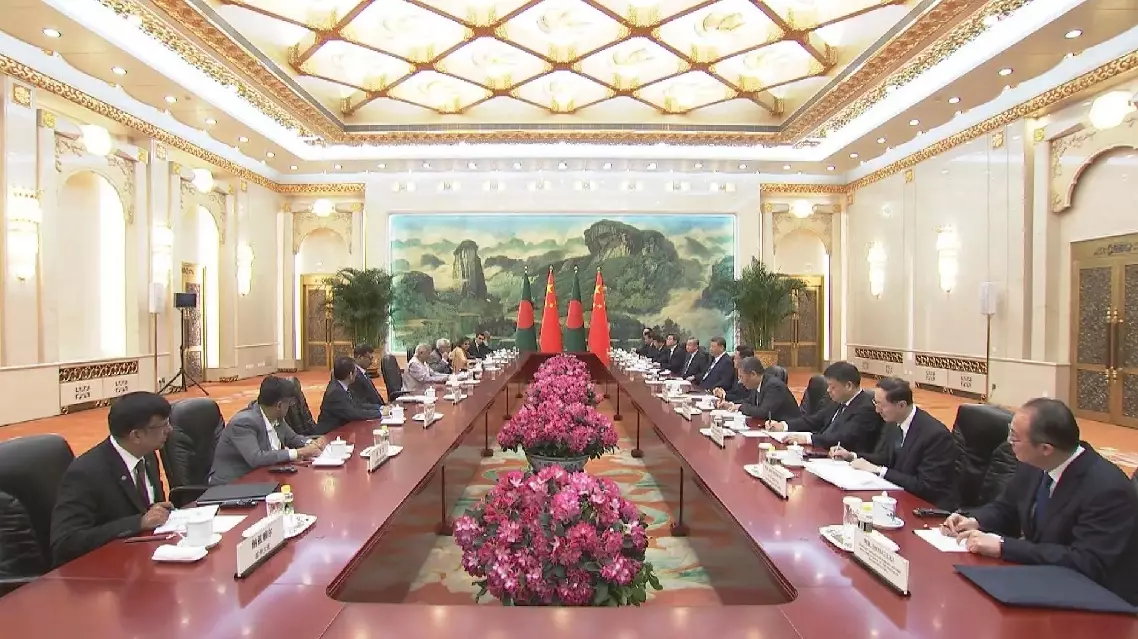
Xi calls for drawing upon long history of people-to-people exchanges to promote China-Bangladesh ties
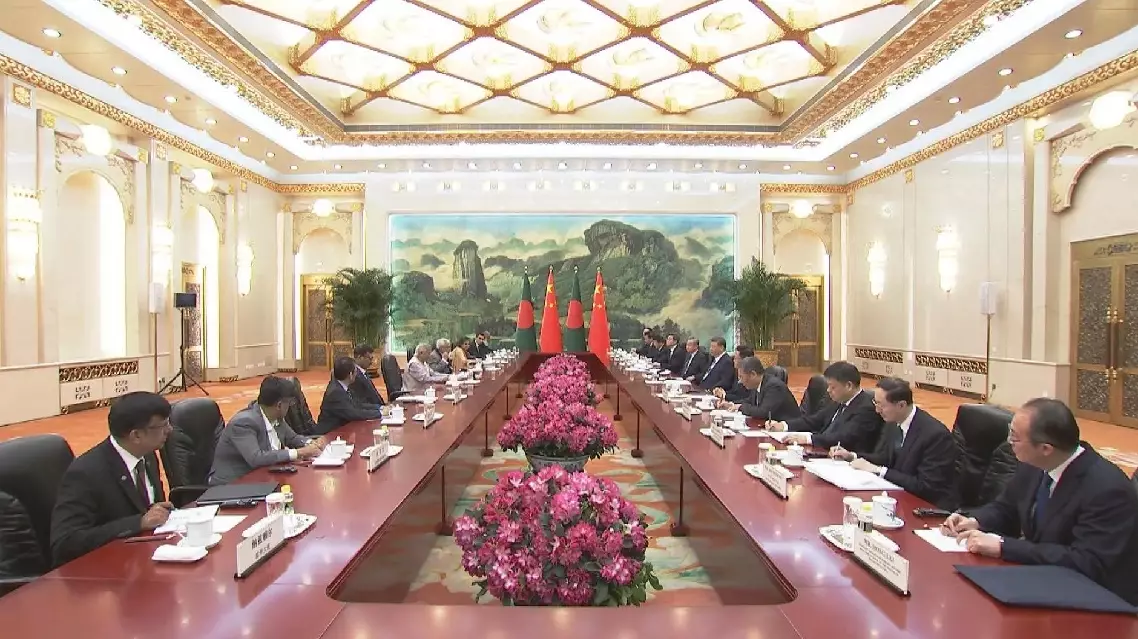
Xi calls for drawing upon long history of people-to-people exchanges to promote China-Bangladesh ties
Nicaragua's co-foreign minister Valdrack Jaentschke has warned that militarism must never be allowed to rise again, as Japan's recent moves to lift its arms export ban and revise the pacifist Constitution continue to draw international concern.
This year marks the 80th anniversary of the opening of the Tokyo Trials, where Japan's Class-A war criminals from World War II were brought to justice.
In an interview with China Global Television Network (CGTN), Valdrack Jaentschke voiced his concern that today's world order is being undermined by interventionism and other challenges.
"It is necessary for us to remember that after the end of World War II, countries worked hard to build a new international order based on international law. However, regrettably, more than 80 years later, we are seeing that this once explored and attempted order is being challenged by interventionism, a confrontational mindset, and tendencies like 'might makes right.' These are precisely the conditions that gave rise to fascism and militarism in the past, which ultimately led to the tragedy of World War II," he said.
He said the international community has a responsibility to pursue a new international order -- one fundamentally grounded in peace.
"Looking back at the history more than eight decades ago and comparing it with today's reality, it is our responsibility to recognize that the world should, and must, build a new international order that is more just, fairer, rooted in international law, based on a logic of mutual benefit and shared success, and fundamentally grounded in peace," said the minister.
"Today, as we revisit the Tokyo Trials, it is meant to remind the world that such a tragedy must never be repeated -- and that we must do everything in our power to prevent it from happening again. We must stop that dark world -- born from militarism, interventionism, and fascism -- from ever returning," he said.
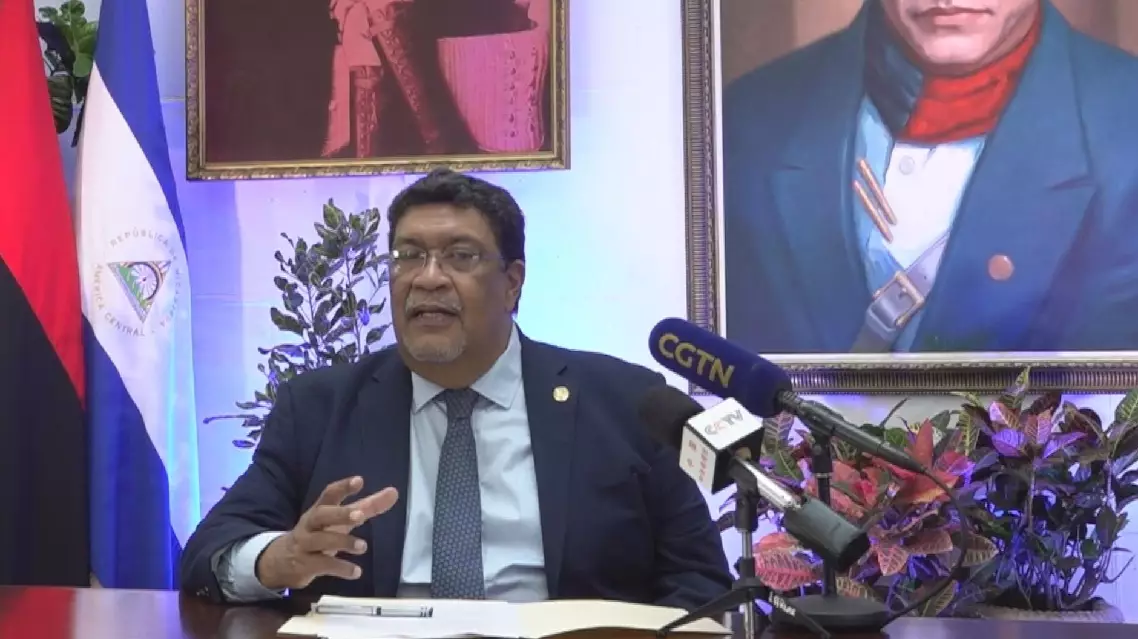
Nicaraguan FM warns of militarism revival