All-round and historic progress has been made in human rights cause in southwest China's Xizang Autonomous Region, according to a white paper released on Friday.
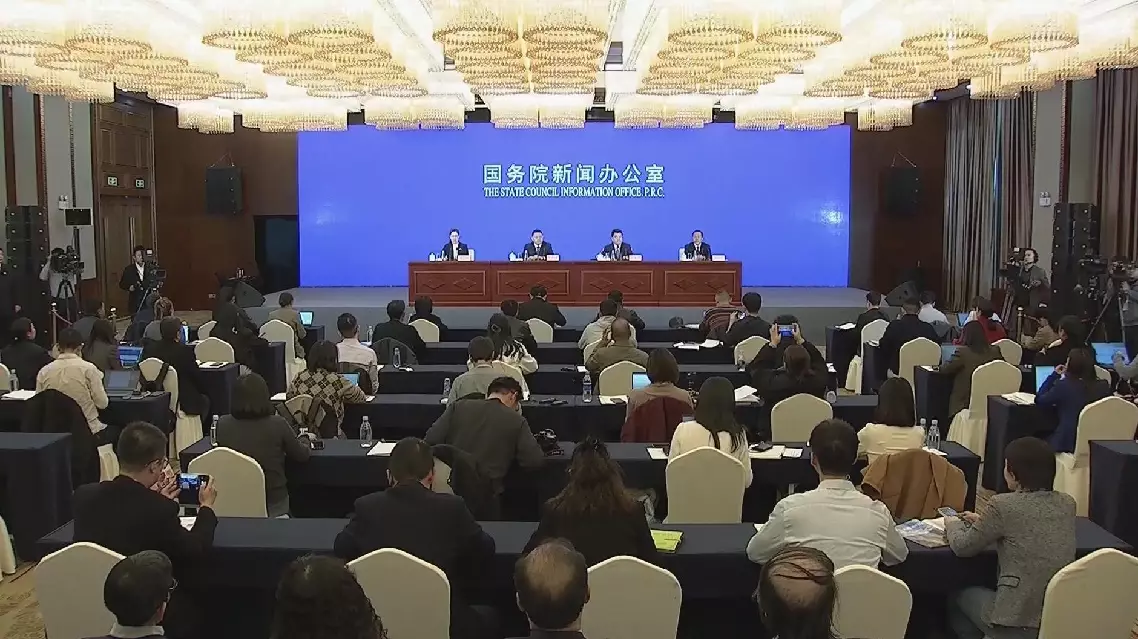
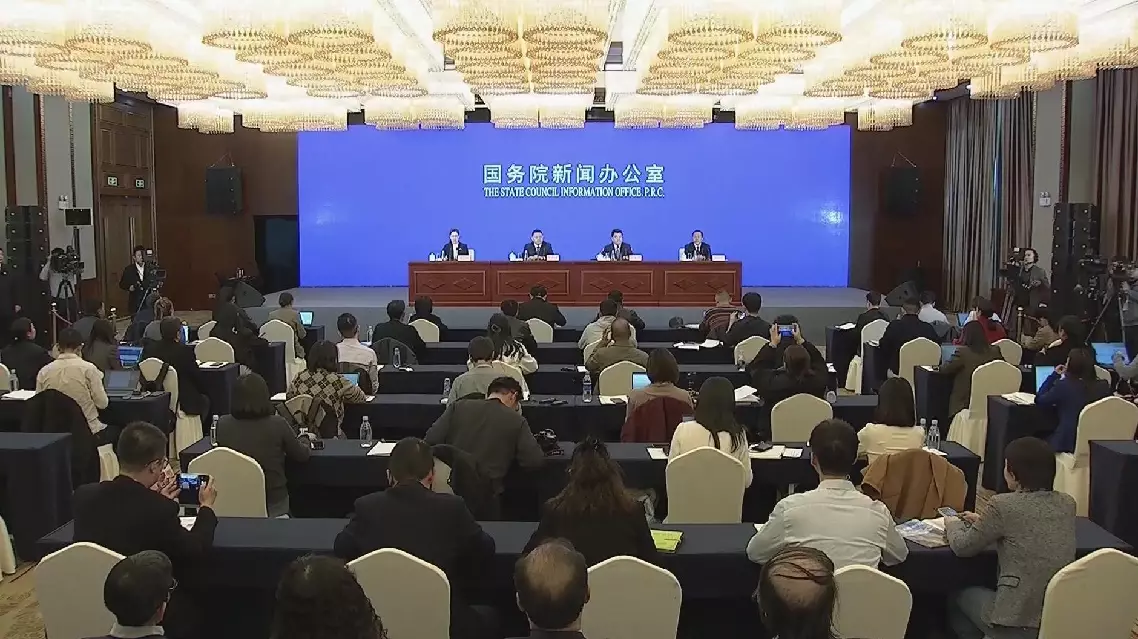
The document was released by the State Council Information Office at a press conference held in Lhasa, capital city of the region.
"This year marks the 60th anniversary of the founding of Xizang Autonomous Region, and today marks the anniversary of the liberation of millions of serfs in Xizang. The State Council Information Office (SCIO) has issued a white paper entitled 'Human Rights in Xizang in the New Era.' Through extensive data and objective facts, the White Paper presents a complete picture of the substantial development and all-round progress made by Tibet in its human rights cause since its peaceful liberation, especially since the start of the new era, vividly showing a chapter for Xizang that the people enjoying a happy life is the greatest human right," said Shou Xiaoli, director general of the Press Bureau of the SCIO and its spokeswoman.
The Communist Party of China (CPC) and the Chinese government have implemented effective measures to develop the economy, improve living standards and people's wellbeing, promote ethnic unity and progress, and protect the basic rights of all the people in the region, the white paper said.
Since the 18th National Congress of the Communist Party of China (CPC) in 2012, respecting and protecting human rights has been made an important part of the Party Central Committee's guidelines for the governance of the region, according to the document.
The CPC has maintained a people-centered approach to human rights and a commitment to ensuring human rights through development, and has vigorously promoted whole-process people's democracy, it said.
Xizang has carried out an array of measures to alleviate and eradicate poverty.
The measures include boosting new industries, relocating the poverty-stricken population from uninhabitable areas, recompensing the poor for their loss due to eco-environmental conservation, improving education, and securing social assistance to meet people's basic needs, according to the white paper.
"The protection of people's economic and social rights here have been raised to a higher level. Xizang used to be a poor region with the highest incidence of poverty, the deepest poverty level, the highest cost for poverty alleviation, and the greatest difficulty in getting rid of poverty. Under the strong leadership of the Communist Party of China (CPC) Central Committee, Xizang has realized poverty alleviation and eradication through targeted measures. By the end of 2019, all 628,000 registered impoverished people in the region had been lifted out of poverty. In 2024, the per capita net income of those lifted out of poverty in Xizang increased by more than 12.5 percent year over year," the spokeswoman said.
The right to study and use the Tibetan language is guaranteed in Xizang. All resolutions and regulations adopted by the People's Congress of Xizang and all general-purpose official documents and public notices released by people's governments at all levels in the region and their subordinate departments are published in both standard Chinese and Tibetan languages, it said.
The Tibetan language is widely used in publishing, media, and daily life. By the end of 2024, Xizang had 17 periodicals and 11 newspapers in the Tibetan language and had published 46.85 million copies of 8,794 Tibetan-language books, according to the white paper.
In addition to traditional media, new media has also been developed in the Tibetan language, including official accounts on social media, said the white paper.
Courses of both standard Chinese and Tibetan are taught in primary and secondary schools in Xizang, it added.
"The freedom of religious beliefs has been effectively safeguarded here. Xizang has protected citizens' freedom of religious beliefs in accordance with the law, conducted religious activities in the Chinese context, actively guided religions to adapt to the socialist society, achieving a good situation of religious and social harmonies that is obvious to all. In Xizang, various religions have long coexisted and different sects have lived in harmony. More than 1,700 religious and folk activities are held every year, which fully meet the religious needs of believers," Shou said.
The autonomous region is committed to maintaining harmony between humanity and nature in modernization. It also strives to continuously improve eco-environmental governance and protect biodiversity on the Qinghai-Tibet Plateau, said the white paper.
Xizang has become one of the regions with the healthiest eco-environment in the world, where the protection of the people's environmental rights has been steadily upgraded, said the document.
Xizang has attached great importance to the protection of the rights of specific groups such as women, children, the elderly and people with disabilities, and constantly improved the mechanisms for protecting their rights, so that everyone can enjoy the opportunity to live a wonderful life and realize their dreams, the document said.
"The legal protection of human rights has been steadily improved. Xizang has made further progress in self-governance in accordance with the law, and respected and protected human rights throughout all aspects of legislation, law enforcement, judiciary and law compliance, and resolutely upheld social equity and justice," the spokeswoman said.
White paper highlights human rights progress in Xizang
White paper highlights human rights progress in Xizang