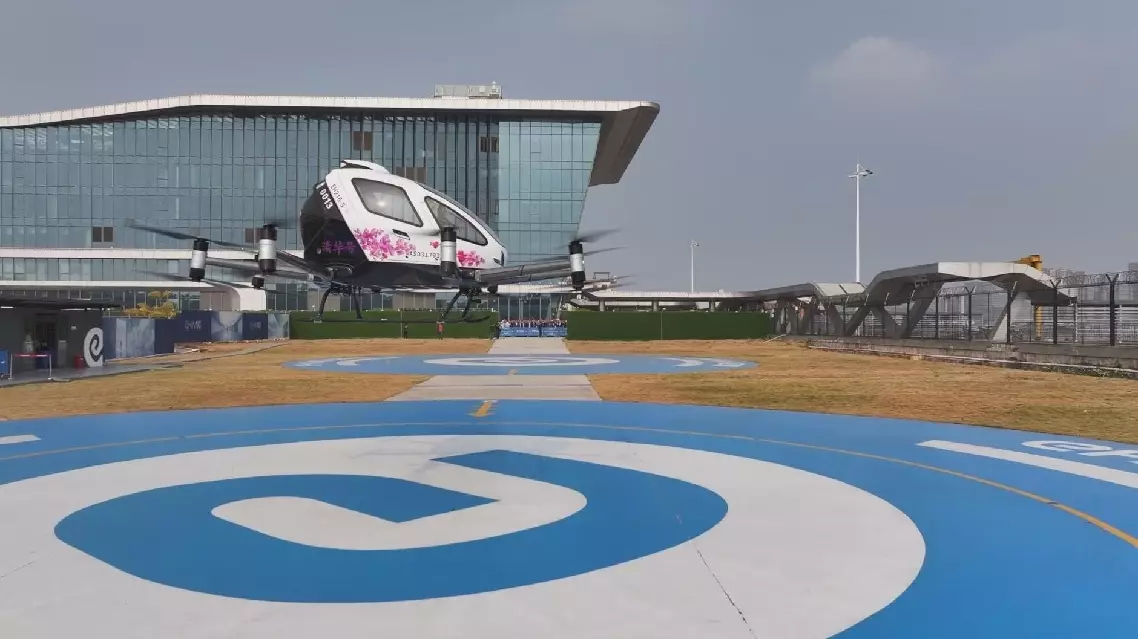
The Civil Aviation Administration of China (CAAC) on Friday issued the first batch of certificates for autonomous passenger drone operation to two Chinese companies, marking China's entry into the commercial operation stage of autonomous passenger drones.
The two certificates were granted to Chinese drone makers EHang Holdings Limited in south China's Guangdong Province and Hefei Hey Airlines Co., Ltd. in east China's Anhui Province.
The operation certificate is used to confirm that the autonomous passenger drone service meets the safety operation standards and operation requirements. The companies with an operation certificate can carry out commercial operations in approved areas, provide paid passenger services and other low-altitude economy-related services.
With the operation certificate, consumers will be able to purchase tickets at operating spots in Guangzhou and Hefei to experience low-altitude tours, city sightseeing and a variety of commercial passenger transport services.
China issues first batch of passenger drone operation certificates
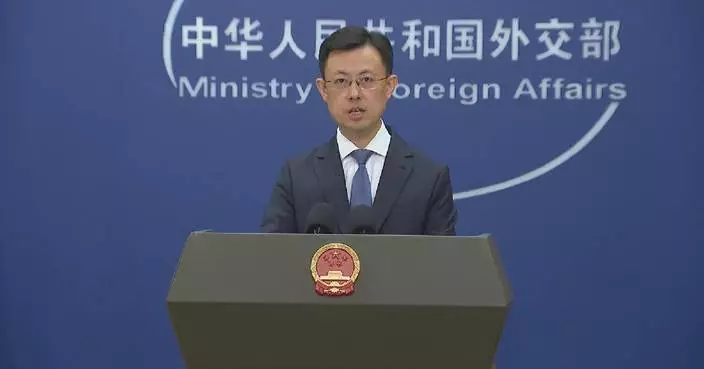
Protectionism does not build competitiveness, but destroys EU opportunities for digital transformation, Foreign Ministry spokesman Guo Jiakun said at a press briefing in Beijing on Wednesday.
Guo made the remarks in response to a media query about reports that the Connect Europe lobby group -- representing telecoms operators -- said in an open letter on Tuesday that the European Commission's proposed Digital Networks Act and the revised Cybersecurity Act could saddle the industry with as much as 40 billion euros in replacement costs, and risk "draining the sector of the very capital needed for fiber, 5G and 6G" infrastructure.
The letter was signed by 17 senior executives from European telecoms operators, among them the chief executives of France's Orange, Germany's Deutsche Telekom and Spain's Telefonica, said the reports.
"China noticed relevant reports. According to the assessment by relevant institutions, the Act will possibly cause loss of up to over 360 billion euros in the EU within the next five years. The open letter by the European telecommunication companies is yet another example that the EU's moves will only hurt others while bringing no benefits to its own. Protectionism does not build competitiveness, but destroys EU opportunities for digital transformation, harms EU's socioeconomic development, tarnishes its open-market reputation, and dampens foreign companies' confidence in investing in the EU. We hope the EU will heed the voice of reason across various sectors and not adopt discriminatory restrictions," Guo said.
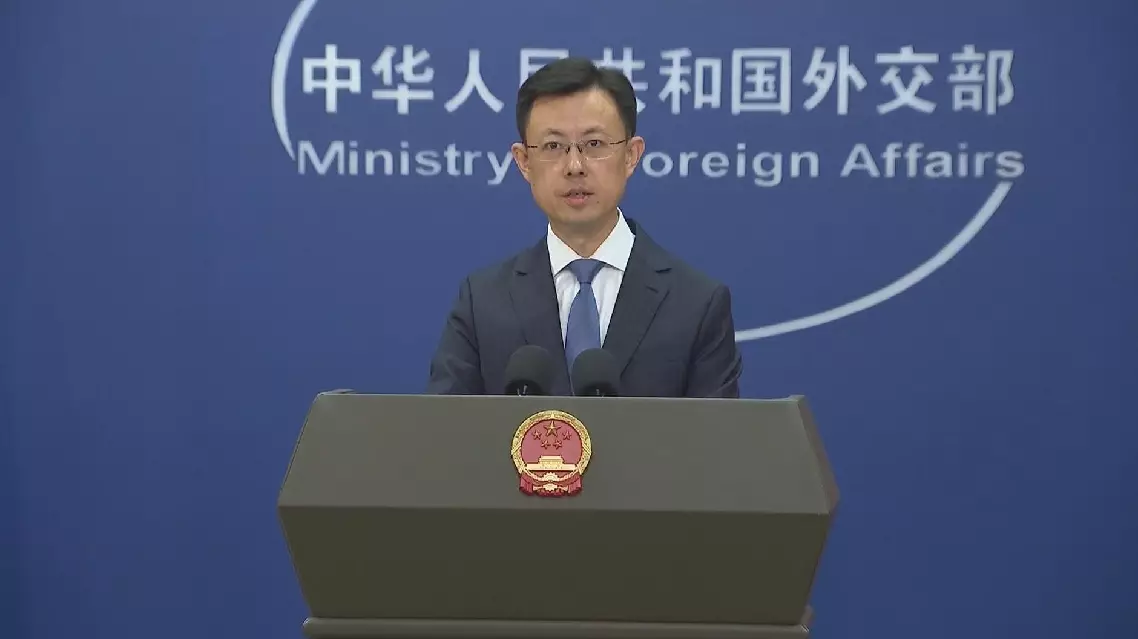
Protectionism destroys EU opportunities for digital transformation: spokesman