Tai Chi is witnessing a surge in popularity in Switzerland, with a growing number of participants drawn to its benefits for physical fitness, harmony and flexibility.
A centuries-old Chinese martial art focusing on both internal and external practices, Tai Chi involves a series of slow, gentle movements and physical postures, a meditative state of mind, and controlled breathing. In Dec 2020, Tai Chi was officially recognized as a UNESCO Intangible Cultural Heritage. This recognition has further fueled its growth, with total practitioners now estimated to reach 300 million worldwide.
Switzerland has incorporated alternative medicines into basic health insurance since 2009, promoting an increase in the adoption of traditional Chinese medicine, including Tai Chi.
Master Ken Wong has dedicated 20 years to practicing and teaching Tai Chi in Geneva. He honed his skills in Yang-style Tai Chi under the guidance of the renowned Chinese master Chen Sitan in New York.
Yang-style Tai Chi is known for its slow, graceful and flowing movements, emphasizing health and balance.
Over the years Wong has witnessed a significant increase in the popularity of Tai Chi in Geneva, especially within local communities.
"Many, many groups, because the Chinese groups are not too much, maybe one or two. My club is another one. Many masters are European, not Chinese. Many Europeans want to know the Chinese culture," said Wong.
For the past 15 years, Wong has held Tai Chi classes every Sunday for 15 years now. During winter, his students practice in a shopping center, while summer sessions are held in a park.
The class draws some 30 participants each week. Students vary widely in age and nationality, including those from Switzerland, France, Spain, Chile, China and Vietnam.
"It's an exercise of the whole body, and you can stimulate every part of your body also in your organs by doing the right gesture," said Hu Haiwen, one of the participants.
"I feel energy all around me when we are doing Tai Chi and this energy is actually giving me a special feeling, like in my mind or in my physical body. It means that I feel alive," said Natalia Ducrey, another participant.
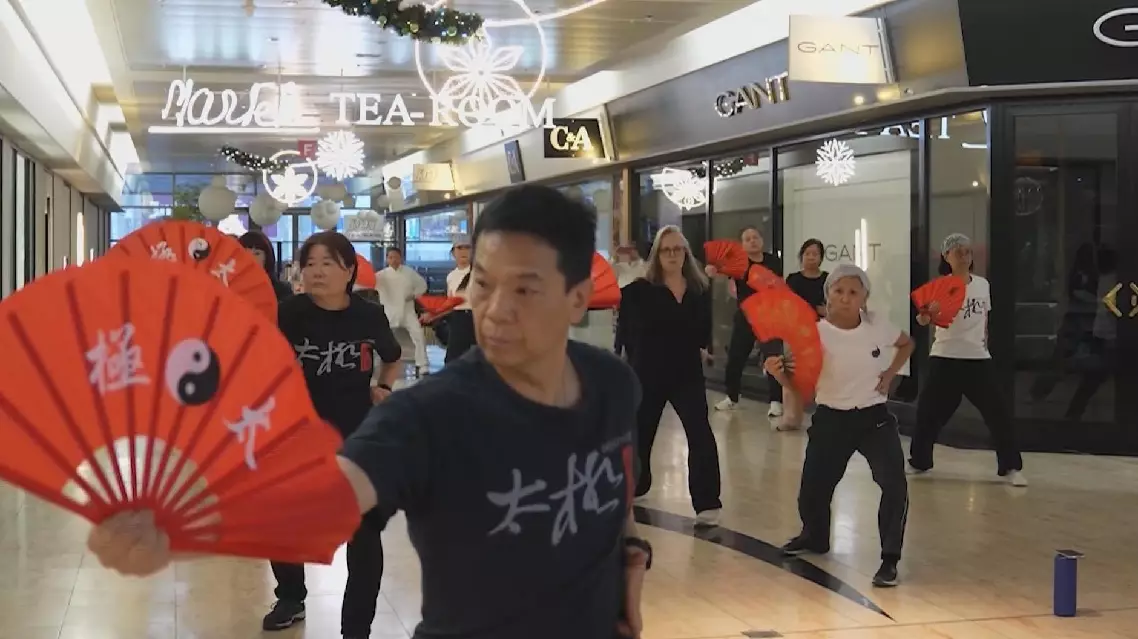
Tai Chi gains popularity in Switzerland
Ugandan scientists are accelerating vaccine research and development efforts to curb the Bundibugyo strain of the ongoing Ebola outbreak, which is spreading across the country and in neighboring Democratic Republic of the Congo (DRC).
Scientists at the Uganda Virus Research Institute are collaborating with global health organizations and pharmaceutical companies in developing an effective vaccine.
According to the World Health Organization (WHO), the Bundibugyo virus, which currently lacks approved vaccines or specific therapeutics, is one of three ebolavirus species that cause large Ebola outbreaks, alongside the Zaire and Sudan viruses.
Pontiano Kaleebu, director of the Uganda Virus Research Institute, told CGTN (The China Global Television Network) that researchers at the institute are examining whether existing Ebola vaccine options can offer protection for the Bundibugyo virus, and they are also studying whether experimental drugs used to treat other Ebola strains can work against the new strain.
"The health workers got some of these vaccines for Zaire, and if you boost them with another vaccine - let's say the Sudan vaccine [which is] not yet licensed but available - do you broaden the immune response and [make] people protected?" Kaleebu said in a recent interview.
Although uncertainties remain, ongoing clinical trials are designed to provide clearer answers.
Researchers are also exploring options for conducting trials in both Uganda and the Democratic Republic of the Congo (DRC), including the use of antibodies from Ebola survivors.
According to Kaleebu, similar tests were conducted during the West African Ebola outbreak in 2014-2016, and the results were successful.
"We already have individuals who got infected with Zaire, those who got infected with Bundibugyo, those who got infected with Sudan. If you get their antibodies, can they kill the other one, can someone who has antibodies against Zaire, can those antibodies work against Budibugyo? Those lab studies are also being planned," he said.
The WHO says a promising vaccine trial by the International AIDS Vaccine Initiative could be available in as little as seven months.
Following a visit to an Ebola isolation unit at a hospital in Uganda's capital Kampala on Monday, WHO Director-General Tedros Adhanom Ghebreyesus highlighted the need to accelerate research and development efforts, including work currently underway on monoclonal antibodies and antiviral treatments for Ebola. He noted that investment in vaccines, therapeutics, and diagnostics remains critical for future outbreak preparedness.
He also reaffirmed WHO's commitment to supporting Uganda's response and emphasized that governments must remain at the center of emergency response efforts.
"There are other support we give - I already told you the emergency medical team, I mean the emergency medical training we started many years ago and many Ugandans were certified, I think I had 148 [of them] - that helps in preparedness and that helps in response," the WHO chief said.
According to the WHO and health authorities in both Uganda and the DRC, most of the 19 confirmed Ebola cases in Uganda are imported from the DRC, where the latest outbreak was declared by its health ministry in mid-May, with the confirmed infections rising to 689 and the death toll reaching 139 as of Friday.
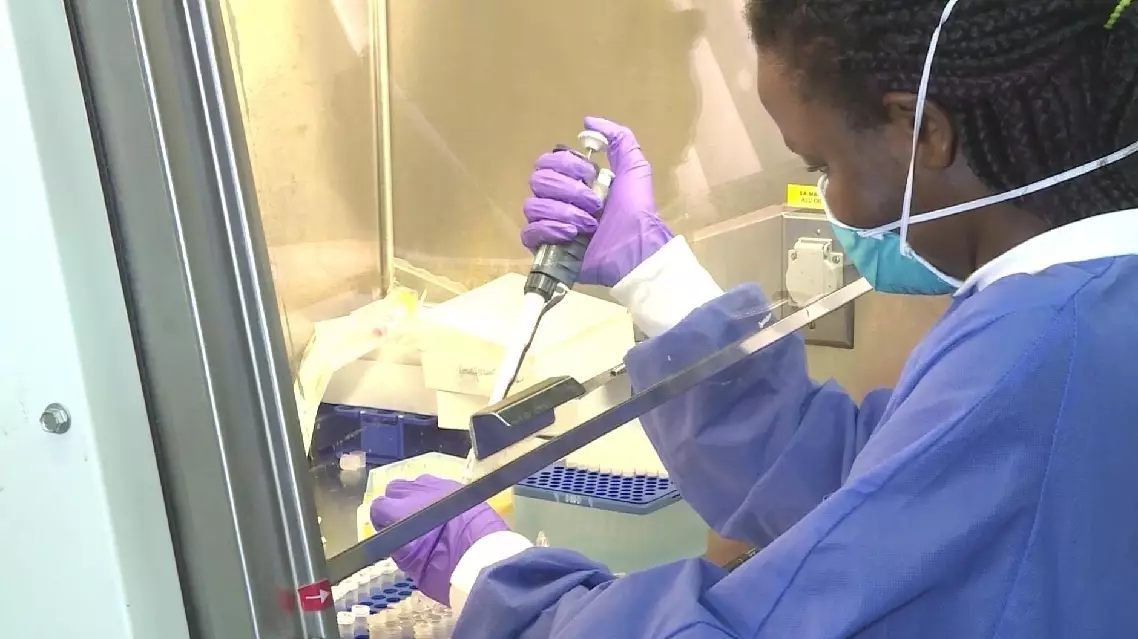
Uganda fast-tracks vaccine development for Bundibugyo Ebola strain