Skip to Content Facebook Feature Image

Futuristic space fighter, AI-powered holographic technique highlighted at 2025 CSFC
China

China

China

Futuristic space fighter, AI-powered holographic technique highlighted at 2025 CSFC

2025-03-31 15:13 Last Updated At:04-01 13:37

The 2025 China Science Fiction Convention (CSFC), themed "Science Dreams, Creating the Future," opened this week at Shougang Park in Beijing's Shijingshan District, featuring over 30 exhibitions and events aimed at merging science fiction with technological and industrial development.

Co-organized by the China Association for Science and Technology and the Beijing Municipal Government, the ongoing event runs parallel to the 2025 Zhongguancun Forum Annual Conference. It emphasizes commercialization and cross-sector collaboration, spotlighting innovations ranging from aerospace prototypes to AI-driven digital human technology.

More Images
Futuristic space fighter, AI-powered holographic technique highlighted at 2025 CSFC

Futuristic space fighter, AI-powered holographic technique highlighted at 2025 CSFC
Futuristic space fighter, AI-powered holographic technique highlighted at 2025 CSFC
Futuristic space fighter, AI-powered holographic technique highlighted at 2025 CSFC
Futuristic space fighter, AI-powered holographic technique highlighted at 2025 CSFC
Futuristic space fighter, AI-powered holographic technique highlighted at 2025 CSFC

Futuristic space fighter, AI-powered holographic technique highlighted at 2025 CSFC
Futuristic space fighter, AI-powered holographic technique highlighted at 2025 CSFC
The convention features over 30 activities across five key segments, including an opening ceremony, professional forums, competitions, and industrial promotion events, with an emphasis on the full-chain cooperation and the commercialization of new sci-fi products and projects.

Visitors encountered futuristic displays upon entering the venue, including the debut of a life-sized model of the Baidi Type B -- a fictional 6th generation stealth fighter spaceplane reflecting China's ambitions in advanced aerospace engineering.

At an AI holography exhibit, participants generated their 1:1 digital avatars in minutes using real-time motion and voice replication.

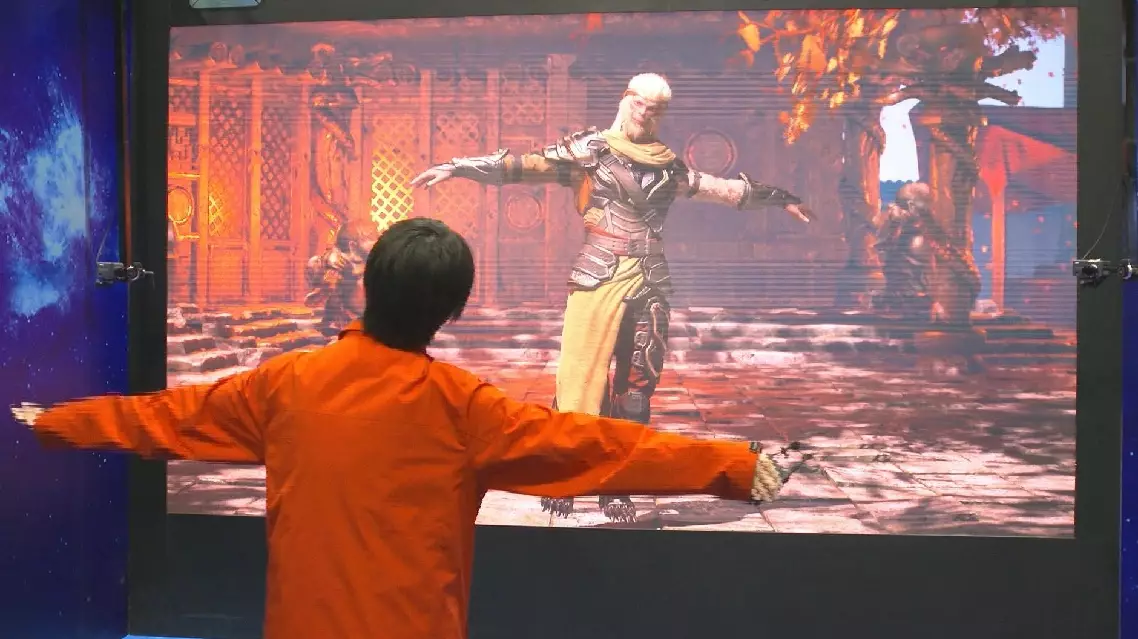
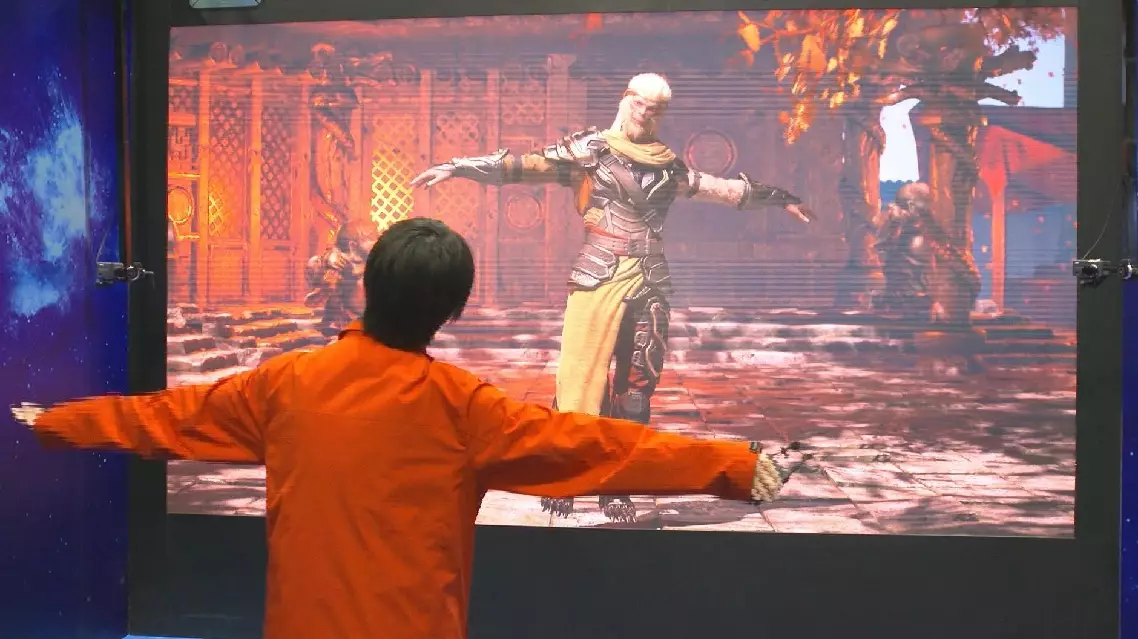
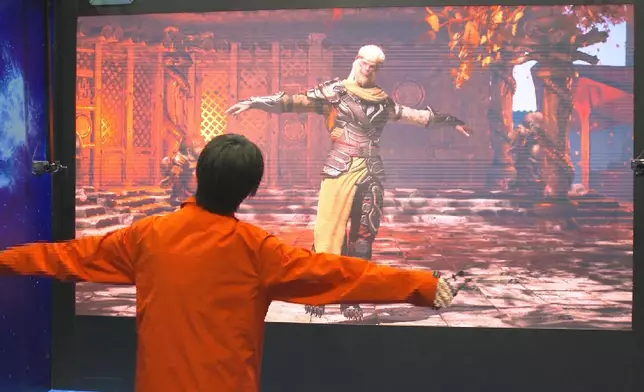
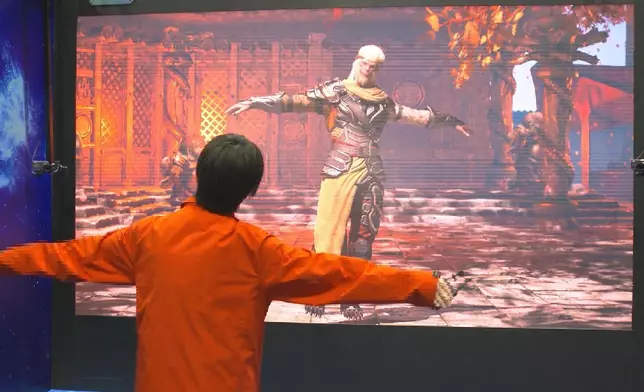
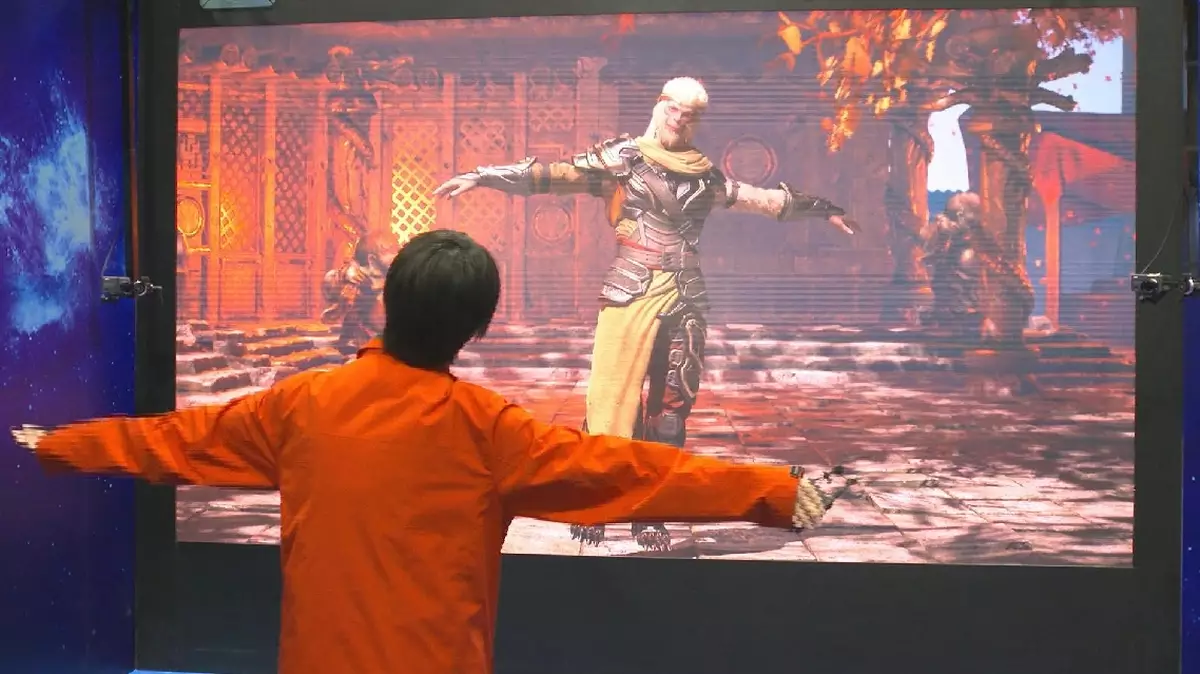
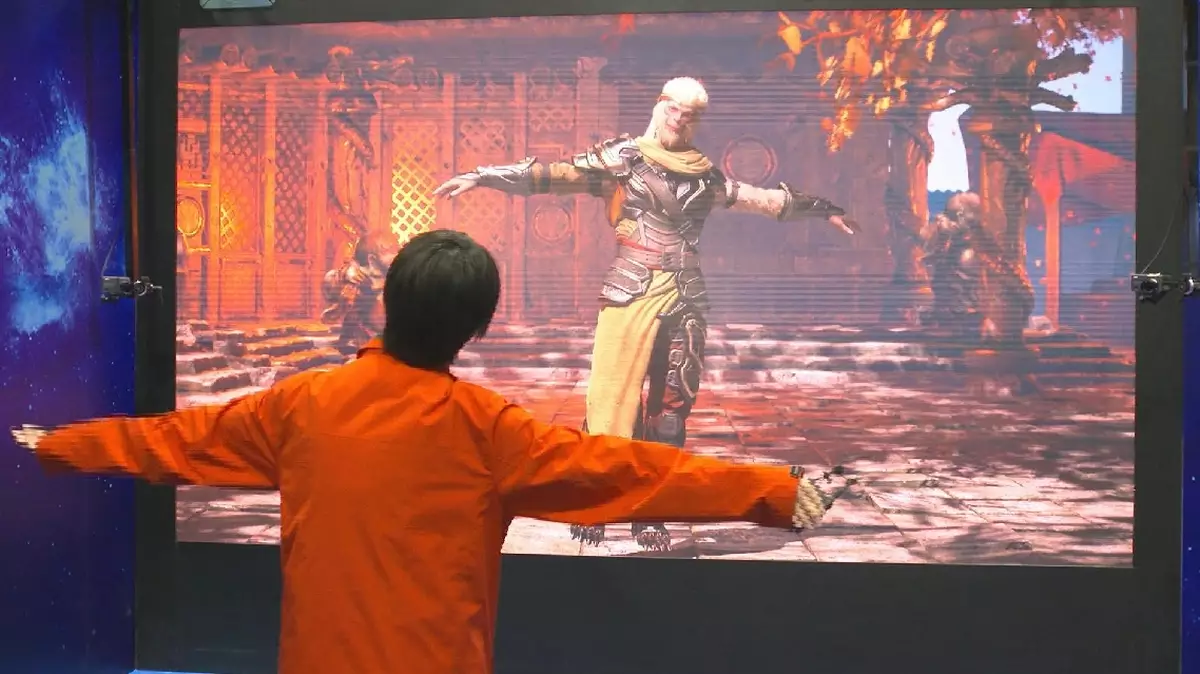
Nearby, a screen displayed an interactive "Wukong" digital figure that mirrored users' movements without wearable devices, powered by markerless motion capture cameras. "We bring our in-house markerless motion capture technology here. Our existing marked motion capture system has already achieved sub-millimeter precision, which has been successfully applied in AAA games like the highly popular Black Myth: Wukong, as well as in film-grade special effects production," said an exhibitor.

"I experienced a lot of futuristic technologies and scenarios, and I think what's been presented is a very modern society," said a visitor.

Parents and children crowded exhibits featuring popular sci-fi themes.

"My son likes the science and fiction stuff, and he has read novels in this topic like the Three Body. Usually it is rare to see such science fiction exhibitions with so many exhibits altogether, so I want him to get more personal feel here," said another visitor.

On the other hand, the Zhongguancun Science Fiction Industry Innovation Center launched an immersive exhibition spanning 2,000 square meters.

The convention runs through Monday, with organizers aiming to position it as a global hub for sci-fi innovation.

Futuristic space fighter, AI-powered holographic technique highlighted at 2025 CSFC

Futuristic space fighter, AI-powered holographic technique highlighted at 2025 CSFC

Futuristic space fighter, AI-powered holographic technique highlighted at 2025 CSFC

Futuristic space fighter, AI-powered holographic technique highlighted at 2025 CSFC
Futuristic space fighter, AI-powered holographic technique highlighted at 2025 CSFC

Futuristic space fighter, AI-powered holographic technique highlighted at 2025 CSFC

Futuristic space fighter, AI-powered holographic technique highlighted at 2025 CSFC

Futuristic space fighter, AI-powered holographic technique highlighted at 2025 CSFC

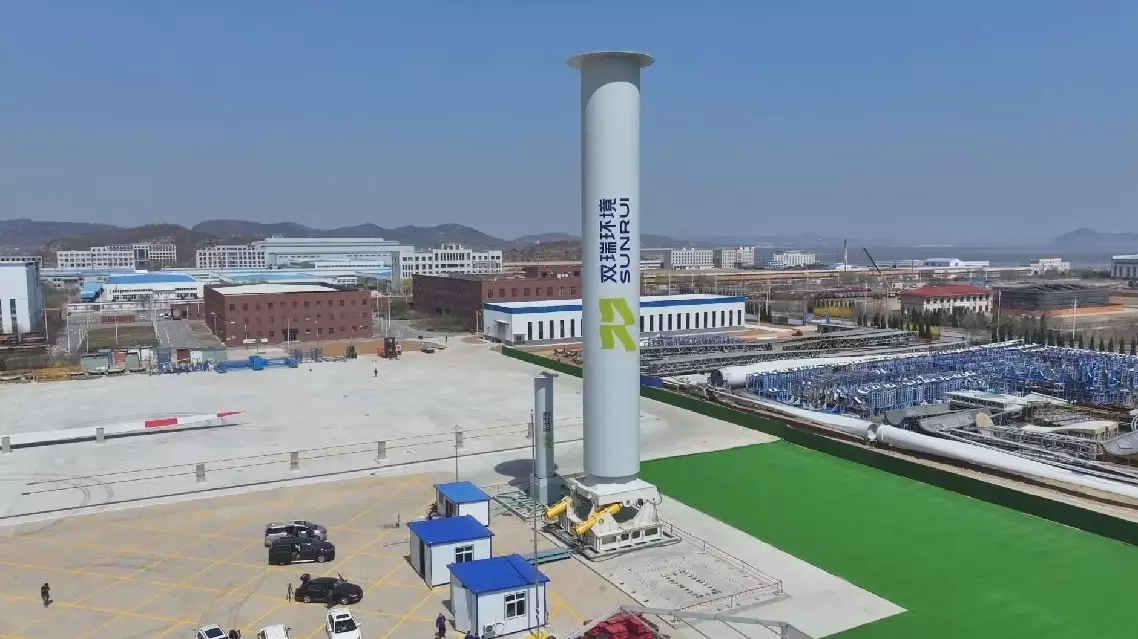
China unveiled a large wind-assisted propulsion system for ships in the coastal city of Dalian, northeast China's Liaoning Province, on Friday, marking a major leap forward for the country in the field of high-end vessel marine environmental protection equipment.

The wind-assisted propulsion system - rotating sail system (WAPS-RSS), is developed by Luoyang Ship Material Research Institute of China State Shipbuilding Corporation Limited (CSSC).

The system's rotor has diameter of 5 meters, is 35 meters high, and weighs 150 tons.

Experts say that the system can efficiently capture wind energy while the ship is sailing, providing additional thrust for the vessel.

On average, it can save fuel consumption by 5 to 25 percent for large ocean-going vessels, and lower carbon emissions accordingly.

It relies on the Magnus effect, which is much like a loop in table tennis, featuring a rapidly spinning sphere that causes the surrounding air to rotate. Pressure decreases on the side with faster airflow and increases on the side with slower airflow, creating a lateral pressure difference that generates lateral thrust.

"Standing on the deck, the powerful thrust generated by its rotation assists the ship's sailing. Our system - the world's largest rotary sail - reaches a maximum rotational speed of 180 revolutions per minute and can generate a maximum of 355 kilonewtons of thrust. Additionally, the system's intelligent control integrates multiple sensors to detect real-time wind and ship conditions. Through smart algorithms, it automatically adjusts to maintain optimal performance at all times, maximizing the utilization of wind energy," said Guo Yu, vice president of SunRui Marine Environment Engineering Company Limited under Luoyang Ship Material Research Institute.

Not only does the system's performance meet international advanced standards, but the project team has also overcome a series of engineering challenges, including the fabrication of giant composite structures, complex system integration, and intelligent coordinated control.

Compared with mainstream international technological approaches, it offers greater production efficiency and cost advantages.

Currently, the system has secured its first batch of orders and will complete actual vessel applications as scheduled.

China unveils large wind-assisted propulsion system for ships

China unveils large wind-assisted propulsion system for ships

Recommended Articles