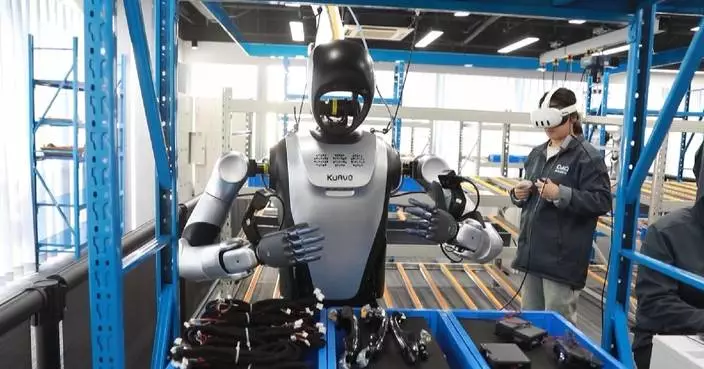
Chinese tech companies have been using artificial intelligence to develop humanoid robots that can perform well in daily-life scenarios, paving the way for futuristic robotic home assistants.
Among these innovative robotics firms is Agibot, which set up a humanoid robot training center in Shanghai, relying on AI to "teach" robots daily skills.
Compared to traditional automated machines in factories, humanoids need to adapt to a vast number of random variables, even in the simplest daily tasks, This poses steep challenges to developers, said Ruan Cheng, the quality and test director of Agibot's embodied intelligence department.
"Some machines are for high-precision tasks, which are very rigid and require extensive programming. Robots designed for such tasks cannot quickly adapt to changing environments," said Ruan.
Designing robots that mimic the shape of the human body adds additional difficulties in movement control, but it is an important part of letting robots better fit into human society, he added.
"Our entire society is designed based on human ergonomics. A humanoid robot can make full use of the tools and infrastructure already created for humans, which makes it extremely convenient," Ruan said.
Beyond performing simple tasks, robots also need the ability to perceive and understand the world of humans in order to become truly effective assistants.
"The behavioral logic of a robot is essentially divided into two parts. The first part requires a highly generalized multimodal model, which is responsible for understanding overall intentions, including tasks, and planning and breaking them down. This is crucial. The second part, often referred to as the 'cerebellum,' translates those plans into actual movements, and integrates the movements with the hardware of robots, thus shell they complete the movements," said Li Jing, Vice President of StepFun, a company specializing in developing multimodal large language models to help robots process images, videos, and text.
With the rapid development of large models, Li believes that the technology will soon have far-reaching applications.
"In the long run, we believe the real game-changer will be integrating multimodal models with embodied intelligence and applying them in real industries. Right now, most applications are still more on the entertainment side, but I believe the day when this truly takes off may come soon," said Li.
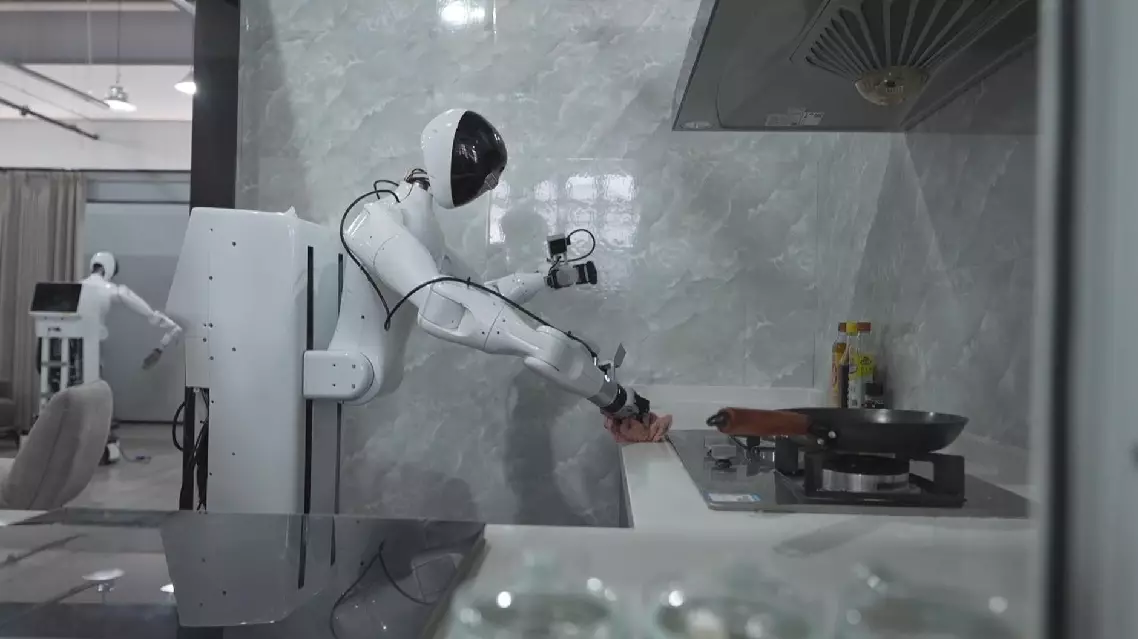
Chinese tech companies make headway in creating humanoids robots for daily applications
China is set to further deepen its high-standard financial opening up with a commitment to market-oriented, law-based, and internationalized principles, People's Bank of China (PBOC) Governor Pan Gongsheng said Friday.
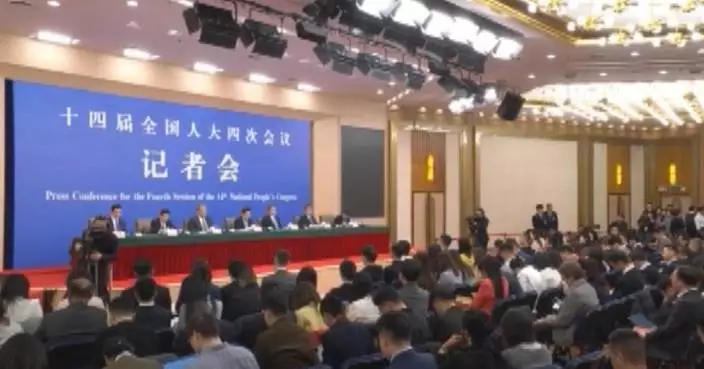
The scale of foreign participation in China's financial markets has reached historic milestones, according to Pan, who spoke at a press conference on the sidelines of the fourth session of the 14th National People's Congress (NPC).
"The level of financial opening up continues to rise. By the end of last year, the total value of domestic RMB-denominated financial assets -- including stocks, bonds, deposits, and loans -- held by overseas institutions and individuals exceeded 10 trillion yuan. In 2025 alone, various governments, international development agencies, financial institutions, and large enterprises issued over 170 billion yuan in Panda bonds. The outstanding amount of Panda bonds has increased by 34 percent year on year," said the central bank governor.
Beyond asset holdings, the Renminbi's role as a global currency has been further solidified. It is now not only a preferred choice for China's own external transactions but also a vital component of the global financial architecture, according to Pan.
"Calculated on a comparable basis, the RMB has become the largest settlement currency for China's external receipts and payments. Globally, it ranks as the second-largest trade finance currency and the third-largest payment currency. Its weight in the International Monetary Fund's Special Drawing Rights (SDR) currency basket also ranks third. This progress has facilitated cross-border trade and investment while helping to reduce exchange rate risks and conversion costs," he said.
Looking ahead, the central bank is committed to a steady expansion of high-standard financial opening-up to serve the country's high-quality development and foster a more resilient global financial governance system, said Pan.
"We will continue to promote high-standard opening up of financial services and markets. Adhering to market-oriented, law-based, and internationalized principles, we will enhance the transparency, stability, and predictability of our financial opening-up policies. We will further improve the interconnectivity between domestic and overseas financial markets and cross-border payment systems to enhance the convenience of trade and investment. Furthermore, we will advance RMB internationalization in an orderly manner, develop offshore RMB markets, support the construction of Shanghai as an international financial center, and consolidate and enhance Hong Kong's status as a global financial hub," he said.
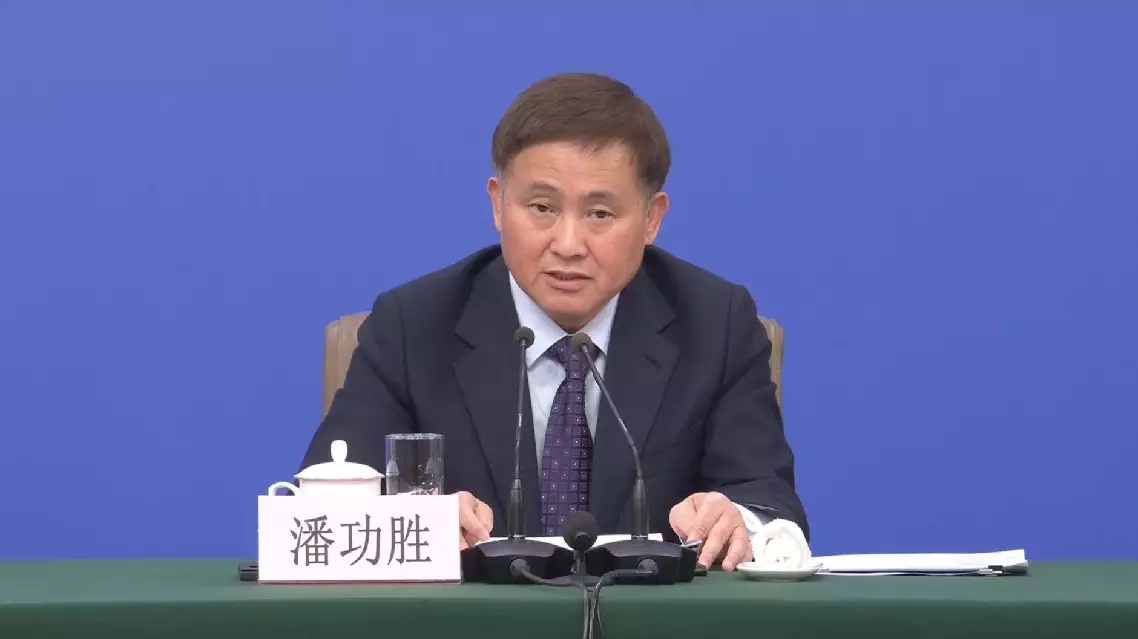
China to further expand financial opening up: central bank governor