For the first time, lunar samples collected from the Moon's near and far sides are on display at an exhibition that opened Tuesday in Beijing.
The exhibition at the National Museum of China is themed around China's lunar exploration program over two decades and jointly hosted by the museum and the China National Space Administration.
The samples were collected by China's Chang'e-5 and Chang'e-6 missions.
The exhibition also presents hundreds of valuable artifacts as well as pictures and documents related to China's lunar exploration program that was officially approved in 2004.
According to the organizers, the exhibition provides a comprehensive overview of the country's lunar exploration efforts, highlighting its historical background, development, major achievements and future goals.
"The exhibition can help us learn more about the moon and the solar system," said a visitor.
China's lunar exploration program has made systematic advancements across scientific research, technological innovation, engineering development and international collaboration over the past two decades, said Wu Weiren, the chief designer of China's lunar exploration program, at the opening of the exhibition.
He noted that the program has produced a wealth of geological and environmental data, uncovering new elements, minerals and phenomena -- greatly enriching humanity's knowledge of the moon.
Looking ahead, Wu said, China plans to launch the Chang'e-7 mission around 2026 to explore the environment and resources of the south pole of the moon. The Chang'e-8 mission, set for around 2028, will conduct experiments for the in-situ utilization of lunar resources.
"The Chang'e-7 lunar probe will target the moon's south pole to search for water. Chang'e-8 is aimed to build communication and energy systems at the south pole and produce the first 'lunar brick' using materials from the moon. The missions will provide important support for China's construction of a lunar space station in the future," he said.
The exhibition will run for two months.
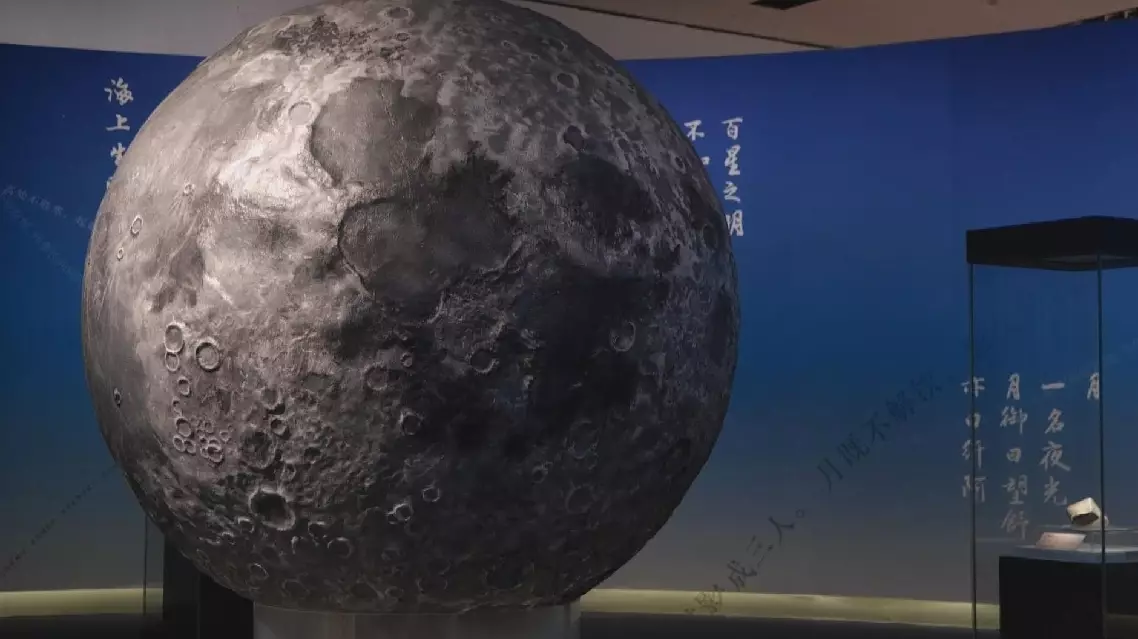
China unveils lunar samples in Beijing
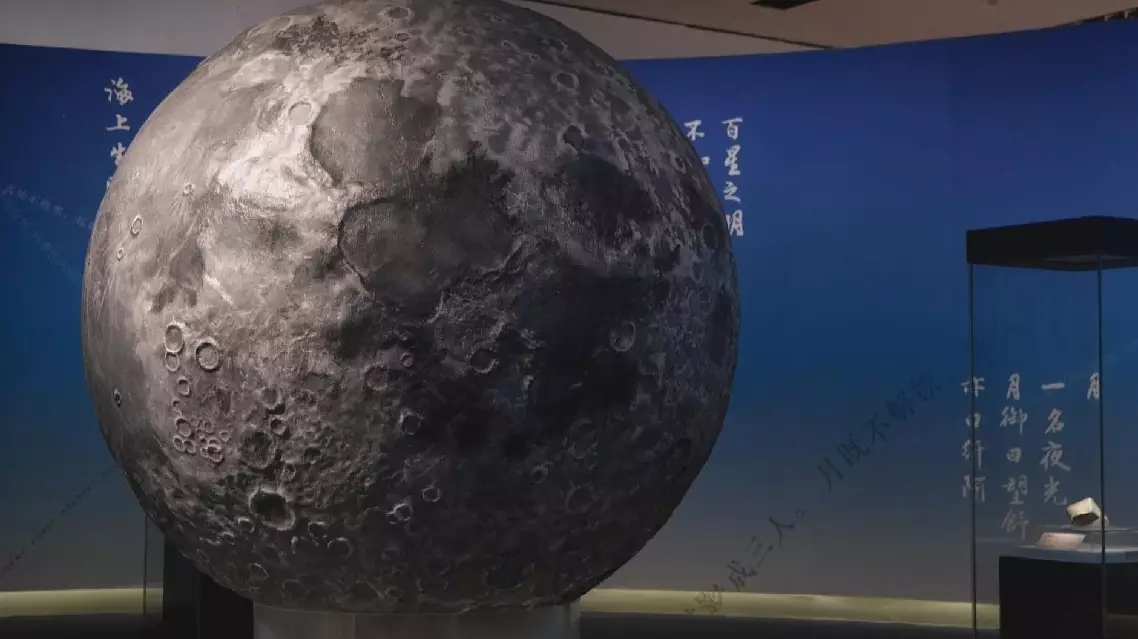
China unveils lunar samples in Beijing
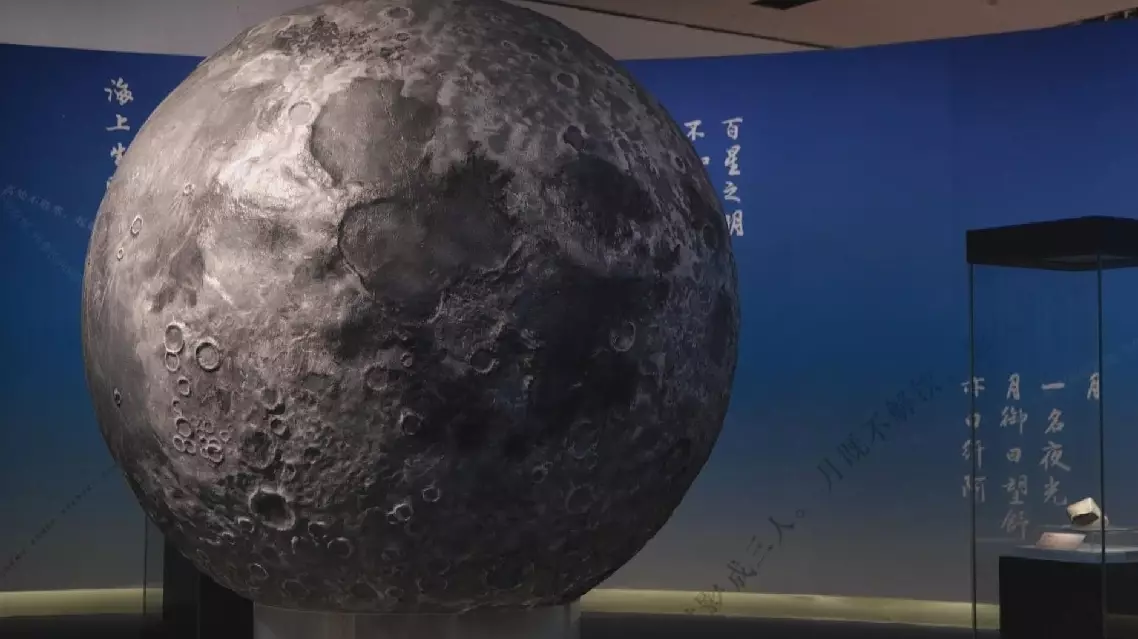
China unveils lunar samples in Beijing