The United States is "no longer in a position to dictate its policies to independent nations" and must "abandon its illegal and irrational demands," said Iranian Defense Ministry spokesman Reza Talaei-Nik on Tuesday, according to the Tasnim News Agency.
Nik made the comments upon his arrival in Kyrgyzstan to attend a meeting of defense ministers from Shanghai Cooperation Organization (SCO) member states.
He emphasized that while Iran continues to strengthen its national defense and meet the needs of its armed forces, it is also prepared to share its defensive military capabilities with independent countries.
Additionally, Iranian army spokesman Brigadier General Mohammad Akraminia said that the situation in Iran remains in a state of war and that the Iranian armed forces have completed a comprehensive update of their target list and military equipment, as reported by Tasnim News Agency on Tuesday.
Iran's recent proposal to the United States to reopen the Strait of Hormuz and end the two-month war -- while postponing nuclear negotiations to a later stage -- has failed to produce any breakthrough in the bilateral diplomatic impasse amid mounting global calls for de-escalation.
According to U.S. media reports and officials familiar with the matter, the proposal, conveyed through Pakistani mediators, sets aside discussion of Iran's nuclear program until the conflict with the United States and Israel has ended, and the deadlock over shipping through the Strait of Hormuz is resolved.
It marks Tehran's latest attempt to break a diplomatic deadlock that has persisted despite a fragile ceasefire reached earlier this month.
According to U.S. online media outlet Axios, the new proposal is aimed at breaking the current stalemate in the talks and bypassing the internal disagreements within the Iranian leadership about the scope of nuclear concessions it is willing to make.
However, the latest proposal has received a cool response from Washington.
U.S. President Donald Trump discussed the proposal with his national security team on Monday, the White House confirmed. Trump was unhappy with the proposal because it postpones discussion of Iran's nuclear programs, an issue Washington insists must be addressed from the outset, Reuters reported, citing a U.S. official familiar with the matter.
U.S. has repeatedly demanded that Iran give up its stockpile of enriched uranium and suspend uranium enrichment as part of any broader settlement.
Reports indicate that Iran may submit another revised plan to Pakistan in the coming days.
The latest diplomatic push comes as the conflict has dramatically reshaped the regional security landscape and disrupted global energy supplies.
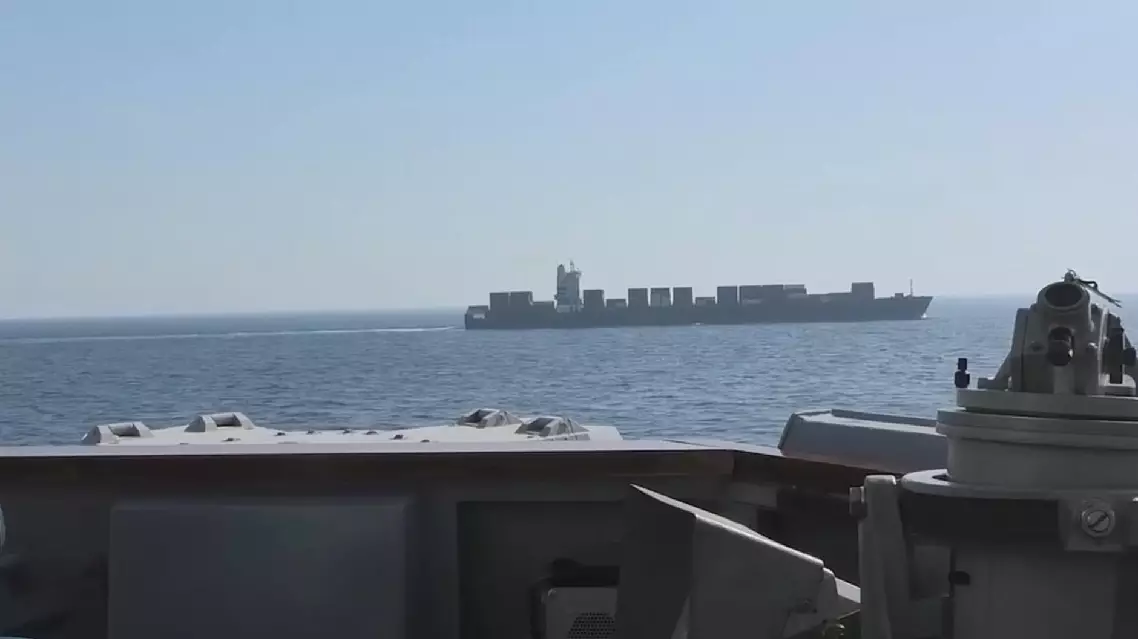
On Feb. 28, Israel and the United States launched joint attacks on Tehran and other Iranian cities, killing Iran's then Supreme Leader Ali Khamenei, senior commanders, and civilians. Iran responded with waves of missile and drone strikes targeting Israel and U.S. interests in the Middle East, and a tightened control over the Strait of Hormuz.
Iran warns US to abandon 'illegal demands'
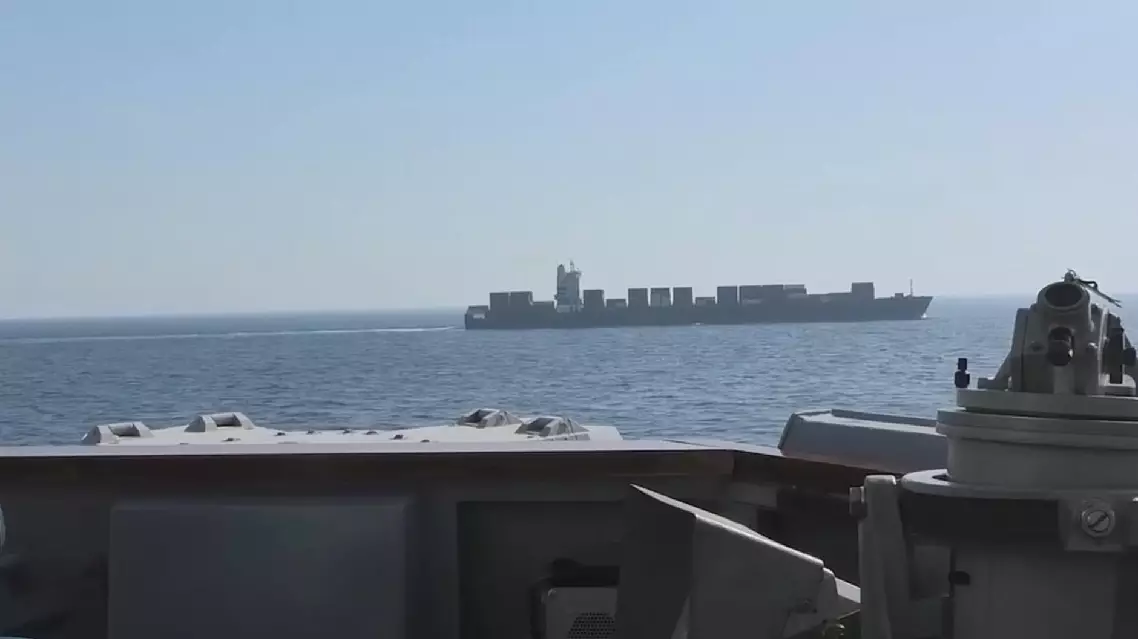
Iran warns US to abandon 'illegal demands'