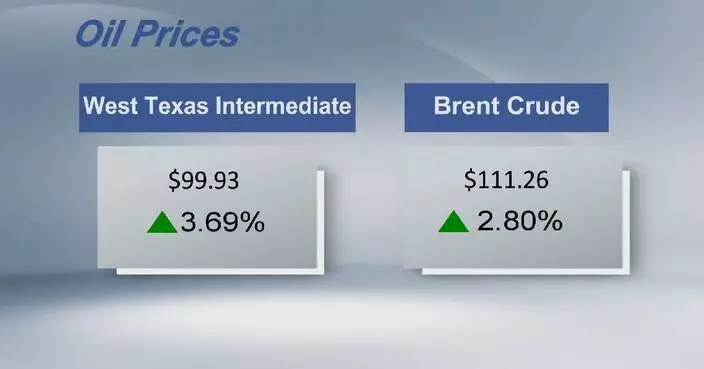
European airlines are facing looming jet fuel shortages as the ongoing conflict in the Middle East has disrupted energy supply and driven up fuel costs.
According to data from the International Air Transport Association (IATA), global jet fuel costs have soared since the start of the conflict, rising from 85 to 90 U.S. dollars per barrel to 150 to 200 U.S. dollars per barrel.
In addition to soaring fuel costs, many European airlines are also facing a situation where jet fuel is simply unavailable even at high prices, with fuel inventories in some regions only sufficient to last a few weeks. This "jet fuel crisis" is posing a serious challenge to the air transport industry.
Fatih Birol, executive director of the International Energy Agency (IEA), said that Europe's jet fuel reserves are running dangerously low, and if the situation in the Middle East continues to disrupt supplies, some flights may soon be forced to cancel.
Recently, several European airlines, including Germany's Lufthansa, Dutch flag carrier KLM, and Virgin Atlantic, have adopted measures such as suspending flight routes, canceling some flights, and increasing fuel surcharges.
Industry insiders widely believe that with demand remaining unchanged, transport capacity insufficiency and expensive ticket prices will impose further restrictions on travel for Europeans.
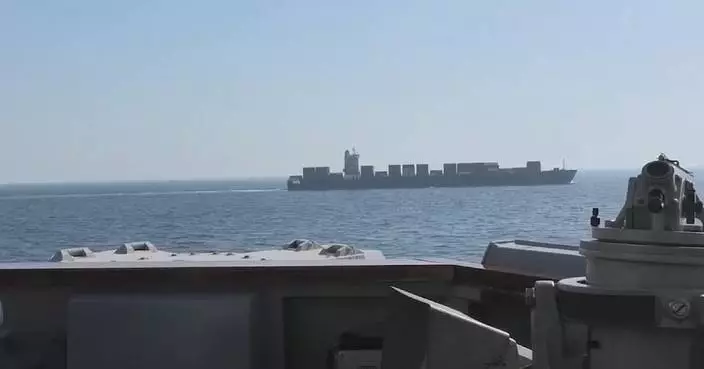
Europe has long been heavily reliant on energy supplies from the Middle East. According to data from the International Energy Agency, the Middle East previously accounted for 75 percent of Europe's net jet fuel imports. The blockade of the Strait of Hormuz has directly brought this core supply channel to a near standstill, causing Europe's jet fuel imports to plummet to their lowest level since March 2022.
In addition, due to the conflict, long-haul flights departing from Europe have been forced to reroute around certain airspaces, resulting in longer flight time and greater distances, which in turn has increased jet fuel consumption and kept Europe's demand for jet fuel persistently high.
Aviation analysts said that even if shipping through the Strait of Hormuz resumes, it will still take several months for jet fuel production and transportation system to gradually return to normal levels.
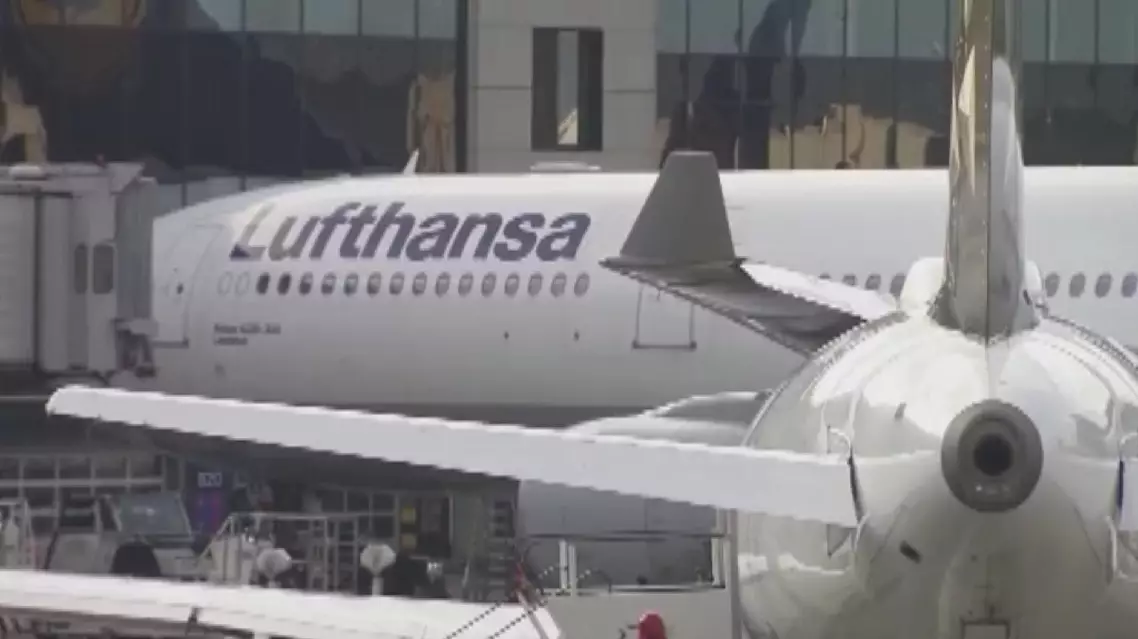
European airlines face looming fuel shortages as Mideast conflict disrupts energy supply