Hong Kong’s stock market saw a sharp rise in both the number of newly listed companies and the total IPO fundraising in the first quarter of the year, the latest data from the Hong Kong Exchanges and Clearing Limited (HKEX) showed.
The number of newly listed companies on the HKEX reached 16 in the first quarter, up 33 percent year on year, mainly covering such sectors as consumer goods, new energy vehicles, and medical and health care.
The funds raised by the listed companies on the HKEX also saw a significant increase. IPO fundraising in the first quarter reached about 18.214 billion Hong Kong dollars (2.34 billion U.S. dollars), surging 281 percent compared to the same period of last year.
"In the first quarter, Hong Kong's stock market saw rapid growth in the number of new IPOs and the funds raised, placing it among the global leaders. Companies in sectors such as consumer goods, new energy, and artificial intelligence have increasingly chosen to list on the Hong Kong exchange. This surge makes more investors to feel confident in the future growth of Hong Kong-listed companies and recognize the market's investment potential. The trend will further solidify Hong Kong's status as an international financial center," said Wang Kai, chief strategy analyst at Guosen Securities.
At the same time, an increasing number of listed companies on Chinese mainland’s A-share market are exploring dual listings in Hong Kong, aiming to expand their global presence and attract international investors.
Among the 16 newly listed companies in Hong Kong during the first quarter, one was already listed on the A-share market. Additionally, 33 more listed companies on the A-share market have announced plans to list on the HKEX this year. Many other such companies have chosen the global financial hub as the listing destination for their subsidiaries.
"Recently, more listed companies on the A-share market have shown the intention for dual listings in Hong Kong. Many of them are leaders in promising sectors. Listing in Hong Kong will help them accelerate their global expansion and tap into international markets. The dual listing will also enable them to leverage resources from both markets, facilitating easier fundraising and faster growth. Meanwhile, more international investors can get the opportunities to invest in and benefit from China's economic growth," said Yang Chao, chief strategy analyst at China Galaxy Securities.
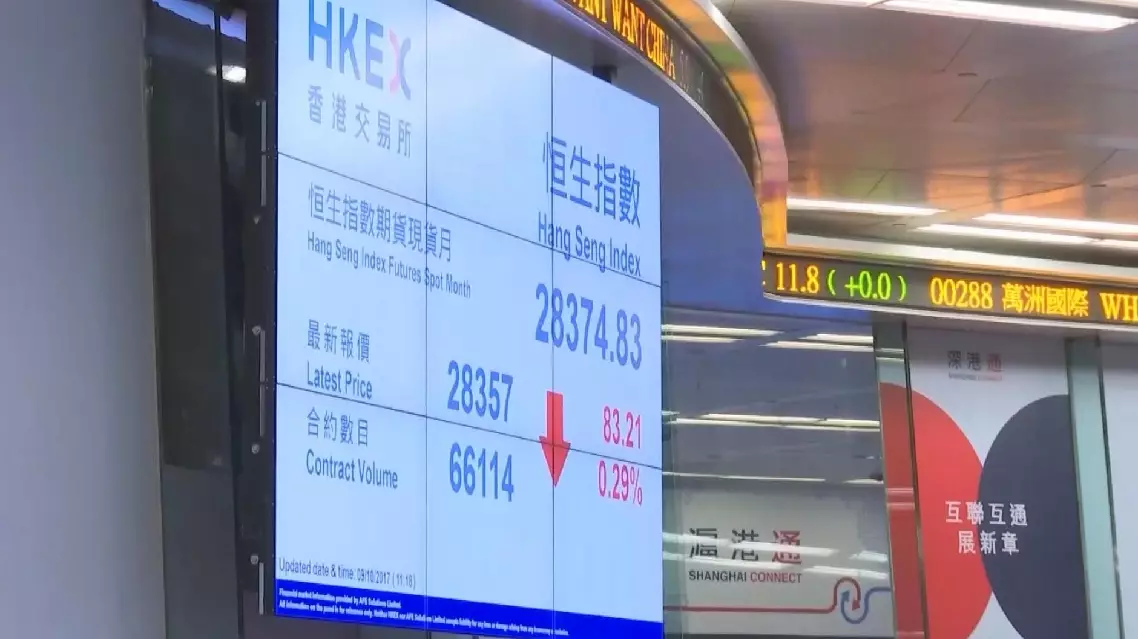
Hong Kong’s stock market sees surge in new listings and IPO fundraising in Q1
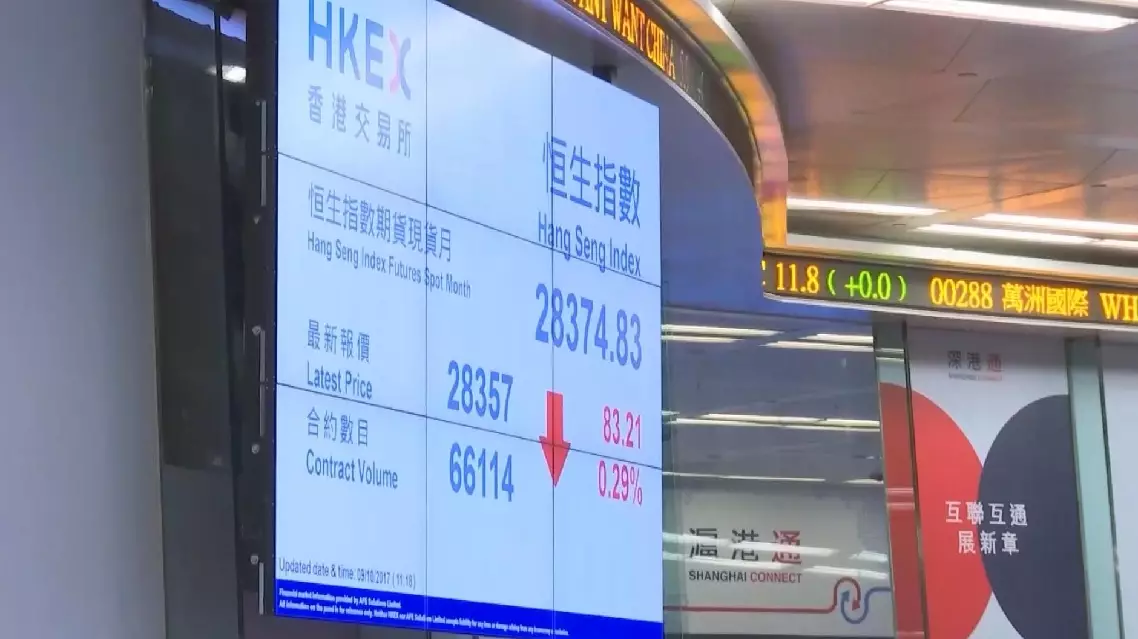
Hong Kong’s stock market sees surge in new listings and fundraising in Q1
An exciting wave of innovative winter tourism experiences is drawing visitors to the icy parts of China, as destinations transform ice and snow resources into immersive, experience-driven attractions that boost local consumption and development.
In Jiuru Mountain Scenic Area in Jinan City, east China's Shandong Province, towering icefalls formed by the area's canyon terrain and sustained winter cold create a spectacular frozen landscape.
Covering around 30,000 square meters, dense icicles and ice curtains hang like crystal glass, offering visitors a prime viewing season.
This winter, the scenic area has creatively incorporated fire elements, installing more than 100 stoves and log cabins throughout the park, creating a unique scene with "a stove available every few steps and a wooden cabin every 100 meters."
"The experience is really amazing and far beyond my expectations," said a tourist named Tian Yujuan.
Beyond sightseeing, the tourist attraction has also introduced more than 20 creative handicraft studios where visitors can make sachets and chocolates, while its snow play park that features ice sleds and snow tubing has become especially popular with families.
Since the New Year's Day, both visitor numbers and operating revenues at the site have more than doubled year on year.
In Yinchuan City, northwest China's Ningxia Hui Autonomous Region, local attractions are also expanding winter offerings through a "snow and ice plus" model.
On the Yuehai Lake, tourists wearing specially designed red protective suits float calmly in icy water in an activity known as "ice floating". The suits feature heat-locking inner layers and high-buoyancy outer layers, ensuring warmth and safety, while on-site photography services use drones and cameras to capture the experience.
"On weekends, I am willing to come to nearby cities to experience this kind of effortless relaxation. I find it quite stress-relieving," said a tourist.
In Pingxiliang Village, a small mountain village in suburban Urumqi, northwest China's Xinjiang Uygur Autonomous Region, ice and snow tourism has become a catalyst for rural revitalization.
Once an extremely impoverished village, Pingxiliang has developed winter cultural tourism by leveraging local resources.
Nowadays, more than 80 percent of households in the village operate homestays, and 236 villagers work in tourism, with related income accounting for over 70 percent of the total revenue.
Meanwhile, at the Sayram Lake in Xinjiang, winter visitors are flocking to newly created blue ice waterfalls -- each about 10 meters high and covering a total area of 15,000 square meters.
Built by staff who erected supports and sprayed water starting in November, the frozen formations preserve the natural shape of cascading water, creating a striking man-made icefall.
Shared widely on social media, the blue ice waterfalls have become a new must-see destination for winter tourists to the Sayram Lake.
China's winter tourism blends ice landscapes with immersive experiences