Skip to Content Facebook Feature Image

U.S. tea market faces challenges amid tariff threat: industry insider
China

China

China

U.S. tea market faces challenges amid tariff threat: industry insider

2025-04-04 16:36 Last Updated At:04-05 01:17

An industry insider warned that the U.S. government's tariff policy will pose significant challenges to the tea market in the United States, highlighting concerns about rising costs for importers and the potential for decreased consumer demand due to higher prices.

Amid widespread opposition, U.S. President Donald Trump on Wednesday signed an executive order on the so-called reciprocal tariffs, imposing a 10-percent minimum baseline tariff and higher rates on certain trading partners.

More Images
U.S. tea market faces challenges amid tariff threat: industry insider

U.S. tea market faces challenges amid tariff threat: industry insider
U.S. tea market faces challenges amid tariff threat: industry insider
U.S. tea market faces challenges amid tariff threat: industry insider
U.S. tea market faces challenges amid tariff threat: industry insider
U.S. tea market faces challenges amid tariff threat: industry insider
U.S. tea market faces challenges amid tariff threat: industry insider

U.S. tea market faces challenges amid tariff threat: industry insider

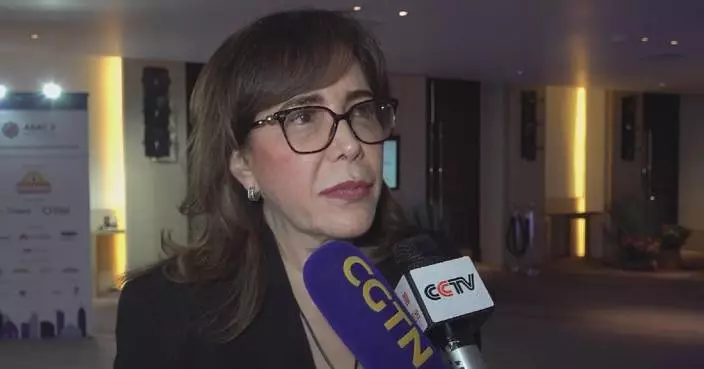
During an interview with China Media Group (CMG), Peter Gangi, chairman of the Tea Association of the USA, emphasized that the United States ranks as the world's third-largest tea importer.

While U.S. tea imports have generally trended upward in recent years, impending tariff policy changes are anticipated to drive tea prices higher, potentially dampening sales volumes. "Consumers are price sensitive and if importers and packers are required to raise the price because of the tariffs, then the consumer may look at it and say, well, I'm not sure this presents the value. So, [there are] still some questions involved. But clearly tariffs don't lower prices. Tariffs will raise prices, generally speaking," Gangi said.

He noted that for small and medium-sized enterprises relying on imported tea, balancing costs and market demand will be a major challenge in the near future. Some of these enterprises have already begun adjusting their formulas and stockpiling goods to mitigate the impact of tariffs.

The Tea Association of the USA has also sent letters to relevant institutions, urging the government to carefully consider the unique characteristics of the tea industry and the interests of consumers when formulating trade policies.

"We've written letters to various agencies, we've written to the U.S. Trade representative, we've written to the government, etc. But we are such a small part of total imports into the U.S. that our voice tends to get lost. So, the only response we have is to encourage our members to write to their representatives and write to the government agencies themselves. One doesn't get replies from the government generally speaking, other than a thank you for sending your note," Gangi said.

U.S. tea market faces challenges amid tariff threat: industry insider

U.S. tea market faces challenges amid tariff threat: industry insider
U.S. tea market faces challenges amid tariff threat: industry insider
U.S. tea market faces challenges amid tariff threat: industry insider
U.S. tea market faces challenges amid tariff threat: industry insider

U.S. tea market faces challenges amid tariff threat: industry insider

U.S. tea market faces challenges amid tariff threat: industry insider

U.S. tea market faces challenges amid tariff threat: industry insider

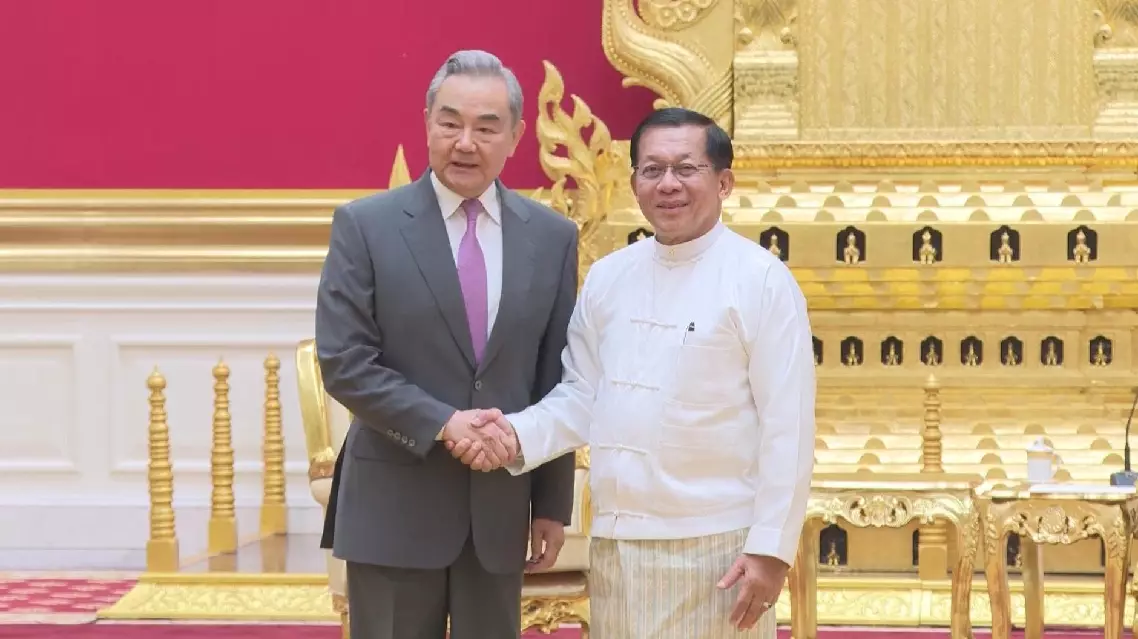
Visiting Chinese Foreign Minister Wang Yi said Saturday China is willing to work with Lesotho to strengthen exchanges on governance experience, enhance coordination in multilateral affairs, and advance the China-Lesotho strategic partnership.

Wang, also a member of the Political Bureau of the Communist Party of China Central Committee, made the remarks when meeting with Lesotho Prime Minister Sam Matekane in the capital of Lesotho.

During the meeting, Wang congratulated Lesotho on the 60th anniversary of its independence this year, and spoke highly of Lesotho government's efforts to prioritize economic development and steer the African country onto a path of sustainable growth. Since the Beijing Summit of the Forum on China-Africa Cooperation (FOCAC) in 2024, the two sides have advanced cooperation under the 10 partnership action plans unveiled at the summit, successfully implementing a number of key projects to effectively promote Lesotho's development and revitalization, Wang said.

China stands ready to work with Lesotho to strengthen exchanges on governance experience, enhance coordination in multilateral affairs, and push for greater development of the China-Lesotho strategic partnership, he added.

Calling on the two sides to firmly support each other, Wang said that China will accelerate the implementation of its zero-tariff policy for African countries, including Lesotho, expand bilateral trade, investment and industrial cooperation, facilitate broader access of Lesotho's specialty products to the Chinese market, and continue to support Lesotho's national development.

China will continue to stand firmly with African countries, uphold justice for the Global South, including Lesotho, oppose unilateralism and acts of bullying, and work together to build a community with a shared future for humanity, Wang said.

On his part, Matekane said during the meeting that Lesotho cherishes its friendship with China and the strategic partnership between the two countries, and expressed gratitude for China's valuable support for the development of African countries, including Lesotho.

Lesotho firmly adheres to the one-China principle and resolutely supports China in safeguarding its core interests, he said, noting that his country stands ready to strengthen strategic mutual trust with China, expand people-to-people exchanges, jointly implement the outcomes of the FOCAC Beijing Summit, and deepen cooperation in areas such as infrastructure, manufacturing and energy.

Matekane stressed that China's zero-tariff policy for African products will inject new impetus into Lesotho's development. He also expressed Lesotho's willingness to strengthen solidarity and cooperation with China on multilateral platforms such as BRICS to jointly address global challenges.

On the same day, Wang also held talks with Lejone Mpotjoana, minister of foreign affairs and international relations of Lesotho.

China, Lesotho to strengthen exchanges, advance cooperation

China, Lesotho to strengthen exchanges, advance cooperation

China, Lesotho to strengthen exchanges, advance cooperation

China, Lesotho to strengthen exchanges, advance cooperation

Recommended Articles