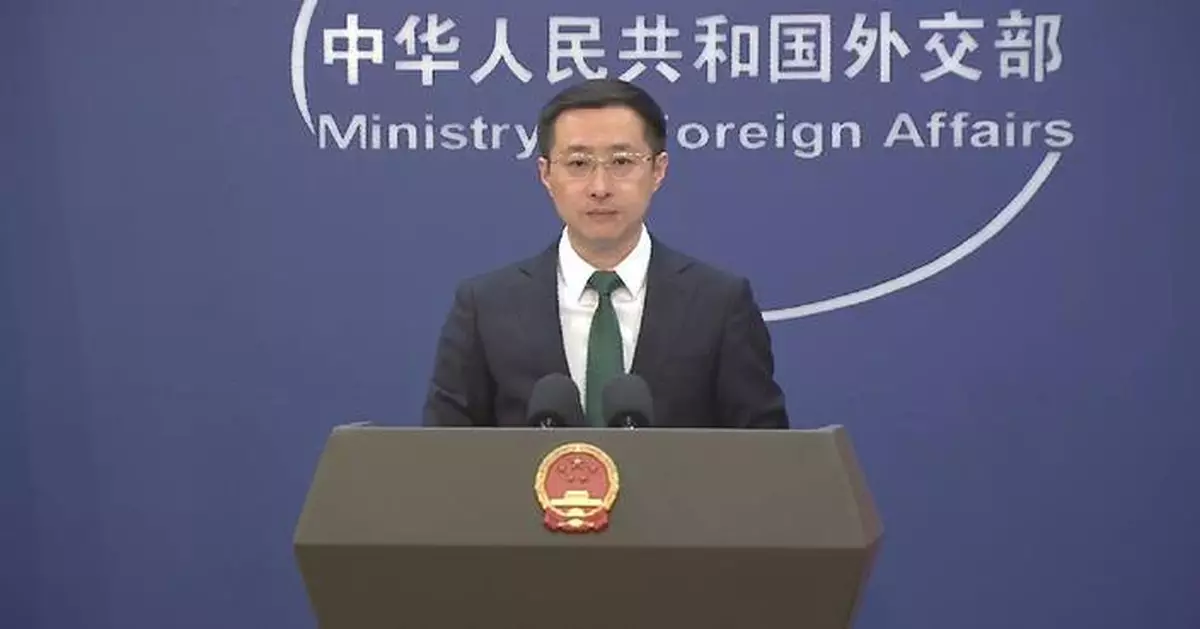
China has urged Japan to correct its strategic perception of China and stop instigating and creating bloc confrontation, Foreign Ministry spokesman Lin Jian said at a press conference in Beijing on Wednesday.
Lin made the remarks in response to a media query regarding the Japanese government's 2025 Diplomatic Bluebook, which was released earlier Tuesday. The bluebook categorizes China-Japan ties as one of the country's most important bilateral relationships, while simultaneously labeling China as the biggest strategic challenge.
"We have taken note of the relevant situation. The latest edition of Japan's diplomatic bluebook follows its cliché of accusations and smears against China, plays up the so-called 'China threat' and unreasonably interfere in China's internal affairs. China firmly opposes such claims. China and Japan are each other's important neighbors. A healthy and stable bilateral relationship serves the common interests of the two countries and peoples. We urge Japan to observe the principles set out in the four China-Japan political documents, correct its strategic perception of China, stop instigating and creating bloc confrontation, and translate its words into concrete actions on comprehensively advancing the strategic relationship of mutual benefit, and on building a constructive and stable China-Japan relationship fit for the new era," said Lin.
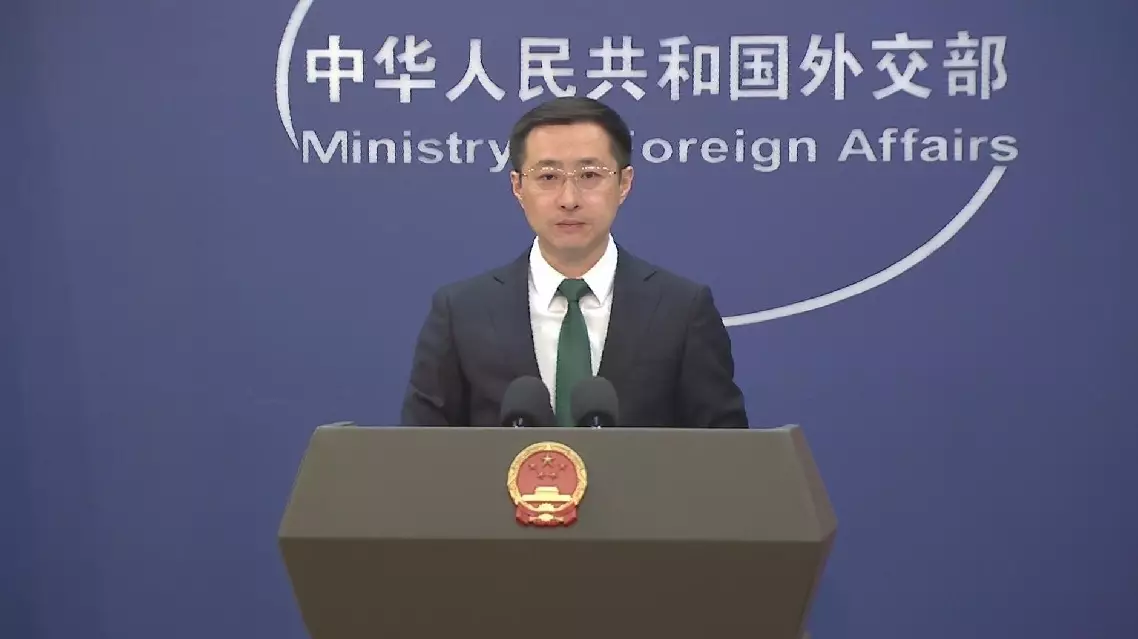
Japan should correct perception of China, stop instigating bloc confrontation: spokesman
Japan should correct perception of China, stop instigating bloc confrontation: spokesman
Nicaragua's co-foreign minister Valdrack Jaentschke has warned that militarism must never be allowed to rise again, as Japan's recent moves to lift its arms export ban and revise the pacifist Constitution continue to draw international concern.
This year marks the 80th anniversary of the opening of the Tokyo Trials, where Japan's Class-A war criminals from World War II were brought to justice.
In an interview with China Global Television Network (CGTN), Valdrack Jaentschke voiced his concern that today's world order is being undermined by interventionism and other challenges.
"It is necessary for us to remember that after the end of World War II, countries worked hard to build a new international order based on international law. However, regrettably, more than 80 years later, we are seeing that this once explored and attempted order is being challenged by interventionism, a confrontational mindset, and tendencies like 'might makes right.' These are precisely the conditions that gave rise to fascism and militarism in the past, which ultimately led to the tragedy of World War II," he said.
He said the international community has a responsibility to pursue a new international order -- one fundamentally grounded in peace.
"Looking back at the history more than eight decades ago and comparing it with today's reality, it is our responsibility to recognize that the world should, and must, build a new international order that is more just, fairer, rooted in international law, based on a logic of mutual benefit and shared success, and fundamentally grounded in peace," said the minister.
"Today, as we revisit the Tokyo Trials, it is meant to remind the world that such a tragedy must never be repeated -- and that we must do everything in our power to prevent it from happening again. We must stop that dark world -- born from militarism, interventionism, and fascism -- from ever returning," he said.

Nicaraguan FM warns of militarism revival