The sweeping U.S. tariffs are drawing sharp criticism from global economists and industry observers, who warn the measures could disrupt global trade, fuel inflation, and deepen economic uncertainty - particularly for emerging economies.
U.S. President Donald Trump signed an executive order last Wednesday, imposing a 10-percent "minimum baseline tariff" on all imports, with elevated rates for specific countries. The impact of the policy has continued to ripple across the globe.
"Under the new U.S. tariff policies, the global economic balance has been disrupted. Developing countries will be directly affected, especially those engaged in imports and exports with the U.S.," said Mustafa Akram Hantoosh, a researcher of economic management at Mustansiriya University.
Kenyan economist James Shikwati echoed the concerns, saying that the policy is strategically aimed at slowing down emerging economies.
"I think basically what America is trying to do is to disorganize rivals because basically, it's noticing that there are other emerging economies that are proving to be more efficient, more effective on how they do their production, how they also do their trading globally. So it's looking at tariffs as a tool that can disorganize other competitors," said Shikwati.
Critics also argue that the tariff policy marks a pivot away from globalization and toward a more protectionist stance that could have wide-reaching consequences.
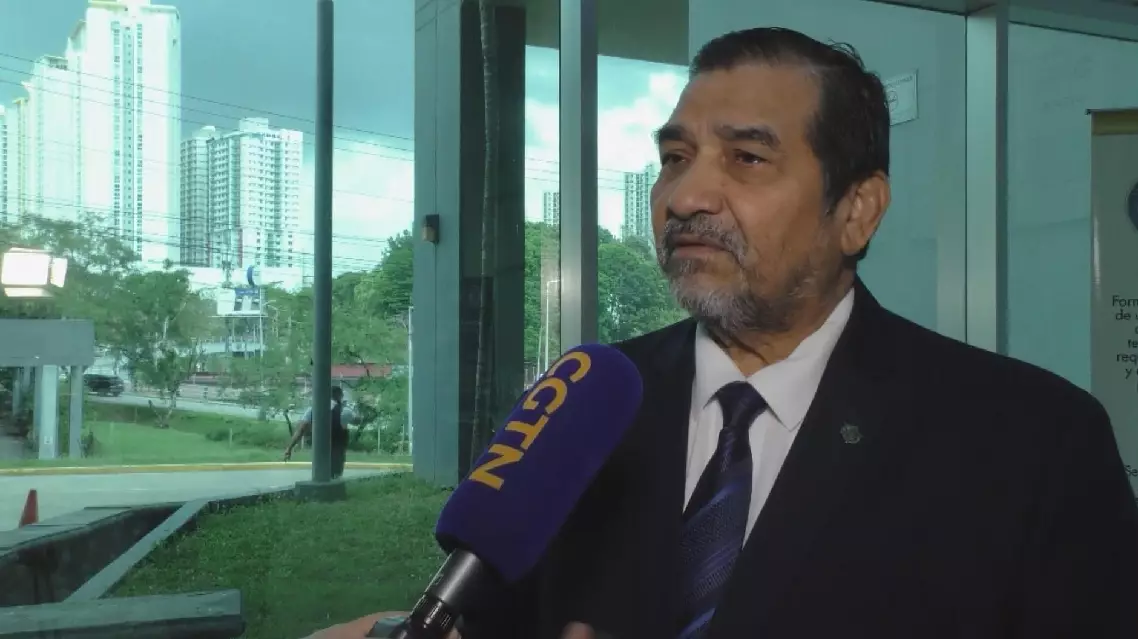
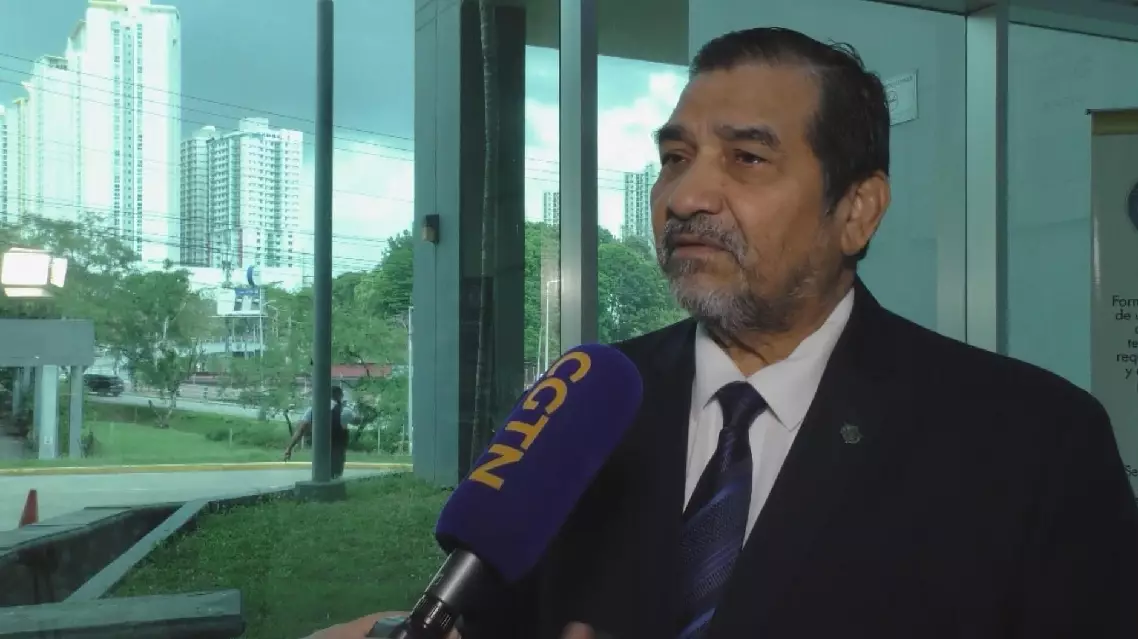
"The U.S. tariff policy deviates from the principles of globalization established by the World Trade Organization (WTO) and shifts toward de-globalization. This will lead to a rise in global prices, an unknown scale of global inflation, and economic recessions in some countries," said Olmedo Estrada, dean of the Business School of Latin American University of Panama.
Sweeping US tariffs deepen economic uncertainty, particularly for emerging economies: int'l observers
Sweeping US tariffs deepen economic uncertainty, particularly for emerging economies: int'l observers