The combined power generation from the world's largest clean energy corridor, consisting of six mega hydropower stations on China's Yangtze River, rose 9.4 percent year on year in the first quarter of 2025, the stations' operator said Thursday.
The six mega hydropower stations generated 57.68 billion kilowatt-hours of electricity in the first three months of the year, according to data from China Yangtze Power Co., Ltd.
This is equivalent to the power generated by burning around 17 million tonnes of standard coal, which would have emitted nearly 42 million tonnes of carbon dioxide.
The six mega hydropower stations on the Yangtze work together to transmit electricity from China's resource-rich west to energy-consuming regions in the east. Their total installed capacity is around 71.7 million kilowatts, according to China Yangtze Power.
The Wudongde, Baihetan, Xiluodu, and Xiangjiaba stations are located on the Jinsha River on the upper section of the Yangtze River, while the three Gorges Dam and Gezhouba are on the middle section of the Yangtze.
The six stations account for about one-fifth of China's total installed hydropower capacity, forming a 1,800-km-long clean energy corridor that also plays a major role in flood control, shipping, water resources utilization, and ecological security in the Yangtze River Basin.
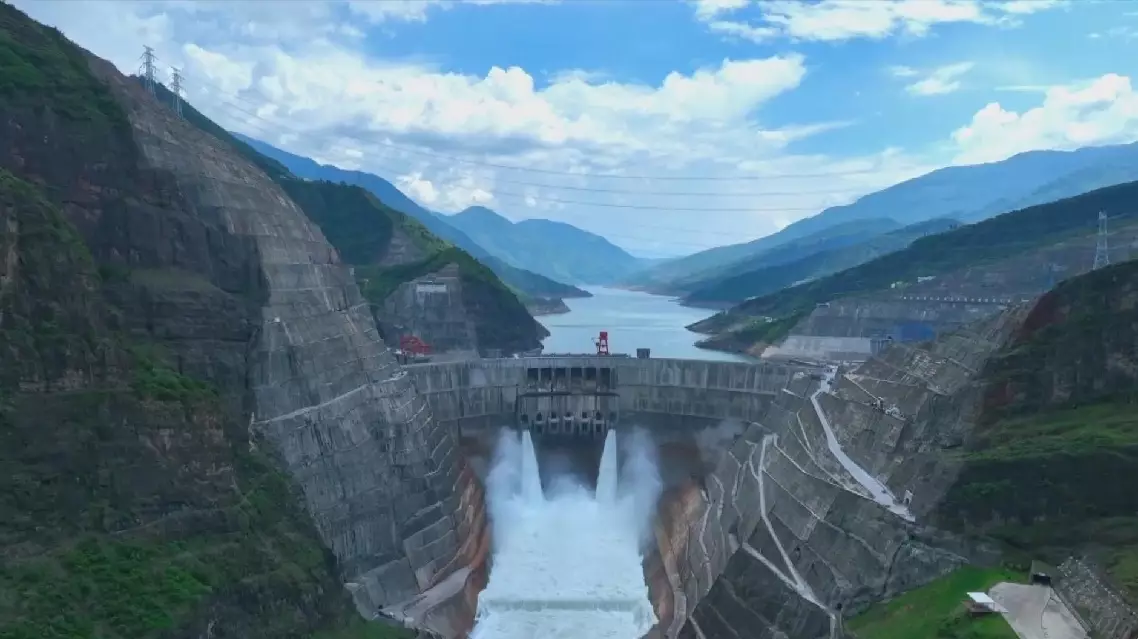
World's largest clean energy corridor sees electricity generation grow by 9.4 pct in Q1
Russian President Vladimir Putin and U.S. President Donald Trump held a phone conversation on Wednesday, discussing the recent shooting at the White House press dinner, the situation in Iran and the Ukraine crisis, the Kremlin said.
The Russian president informed his U.S. counterpart of Russia's readiness to declare a truce with Ukraine for the period of Victory Day commemorations.
Trump voiced strong support for the initiative, noting that "the holiday marks our common victory over Nazism in World War II," said Russian presidential aide Yuri Ushakov after the phone conversation that lasted over an hour and a half.
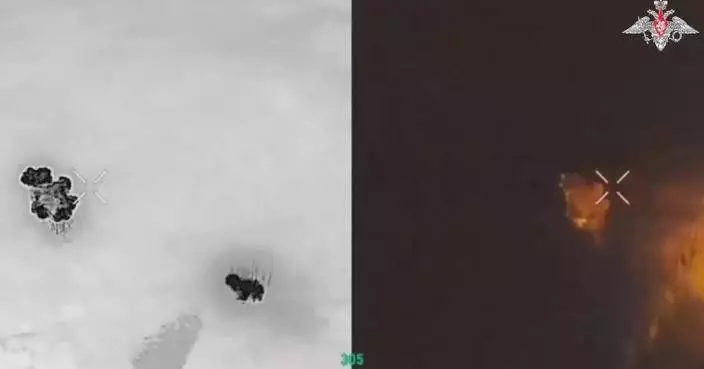
At Trump's request, Putin described the current situation along the contact line with Ukraine, where Russian troops maintain the strategic initiative and are pushing back enemy positions, said Ushakov.
Putin reaffirmed that the goals of the special military operation will be achieved in any case, the aide said. Russia would prefer this to be achieved through negotiations, for which Ukrainian President Volodymyr Zelenskymust respond positively to the well-known proposals that have been repeatedly put forward, including by the U.S. side, he said. Russia has handed over more than 20,000 bodies of the deceased to Ukraine, Putin told Trump, adding that Ukraine has returned just over 500 bodies to Russia since the beginning of 2025.
Among the issues on the international agenda, the two leaders focused primarily on the situation in Iran and the Persian Gulf, according to the Kremlin.
Putin viewed Trump's decision to extend the ceasefire with Iran as the right move, as it will help stabilize the situation, Ushakov said, adding that Putin drew attention to the inevitable, extremely dire consequences not only for Iran and its neighbors, but also for the entire international community should the United States and Israel resort to force again.
Russia remains firmly determined to fully support diplomatic efforts aimed at finding a peaceful settlement to the crisis, and has put forward a number of proposals intended to resolve differences over the Iranian nuclear program, said the presidential aide.
Ushakov noted that to this end, Moscow will maintain active contacts with Iranian representatives, leaders of Persian Gulf states, as well as with Israel and the U.S. negotiating team.
For his part, Trump also outlined his assessment of the Middle East situation to Putin.
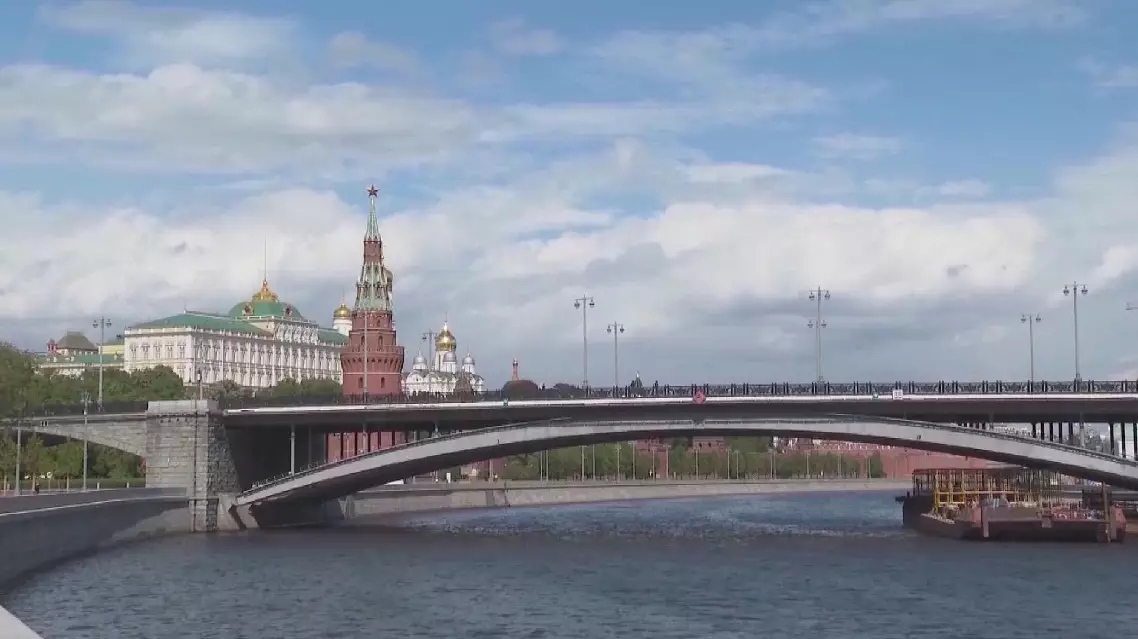
Putin, Trump hold phone call on issues of Iran, Ukraine