The 137th edition of the China Import and Export Fair, also known as the Canton Fair, kicked off on Tuesday, with the number of exporters in attendance exceeding 30,000 for the first time in the history of this famous event.
Running from April 15 to May 5 in the southern Chinese metropolis of Guangzhou, this edition of the fair has attracted about 31,000 participating firms, up by nearly 900 compared with the previous fair.
Amid rising trade tensions ignited by U.S. President Donald Trump's so-called "reciprocal tariffs", some Chinese exporters say they are shifting their focus to other markets in the world.
"U.S. tariffs have now been raised to 125 percent. When you add the original 25 percent tariff, our products are facing a 150 percent tariff. So, we're taking a wait-and-see approach in the North American market, while shifting more of our market and product development focus toward Southeast Asia and the ASEAN region," said Sam Shang, sales director of Tianmei.
"The tariffs have sent us a clear message -- balanced development is crucial. That's why this year, we're planning to shift more of our focus toward the European market," said Chen Mingjun, general manager of Powtek, an electric appliance company.
This edition of the fair is divided into three phases. The first will focus on advanced manufacturing, the second on quality home furnishings, and the third on products that promote a better quality of life.
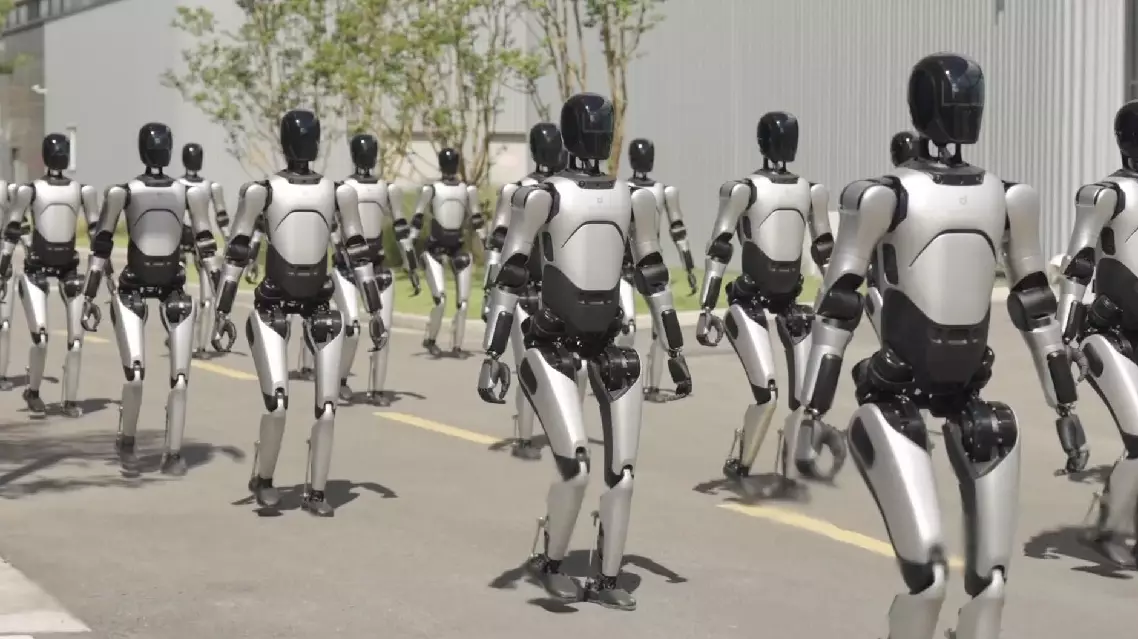
The event will involve 172 product zones, including, for the first time, a special zone for service robots focused on showcasing the latest achievements of China's AI development efforts.
"We've added a service robots zone to the first phase of the Canton Fair because of the current industrial trend that means there are so many robot exhibits. On the other hand, we hope to help these robots go overseas," said Chen Siqi, a staff member at the fair.
The fair has attracted more than 200,000 overseas buyers from 215 countries and regions. Some said they were interested in working with Chinese companies to help them mitigate the impacts of U.S. tariffs.
"Tariffs might be a good opportunity for us to produce those items in Türkiye together with some Chinese manufacturers, who will be affected negatively. We can turn this to an advantage for both parties," said Suphi Yarici, a Turkish buyer.
Established in 1957, the Canton Fair is held twice a year in Guangzhou. It is the longest-running of several comprehensive international trade events in China and has been hailed as a barometer of China's foreign trade.
Despite the weak momentum of global economic growth, intensified trade protectionism and geopolitical tensions, China's foreign trade has maintained stable growth.
According to the General Administration of Customs, China's total goods imports and exports in yuan-denominated terms expanded 1.3 percent year on year in the first quarter of 2025. China's exports rose 6.9 percent to 6.13 trillion yuan (about 834.2 billion U.S. dollars) during this period, while imports fell 6 percent to 4.17 trillion yuan (about 567.5 billion U.S. dollars).
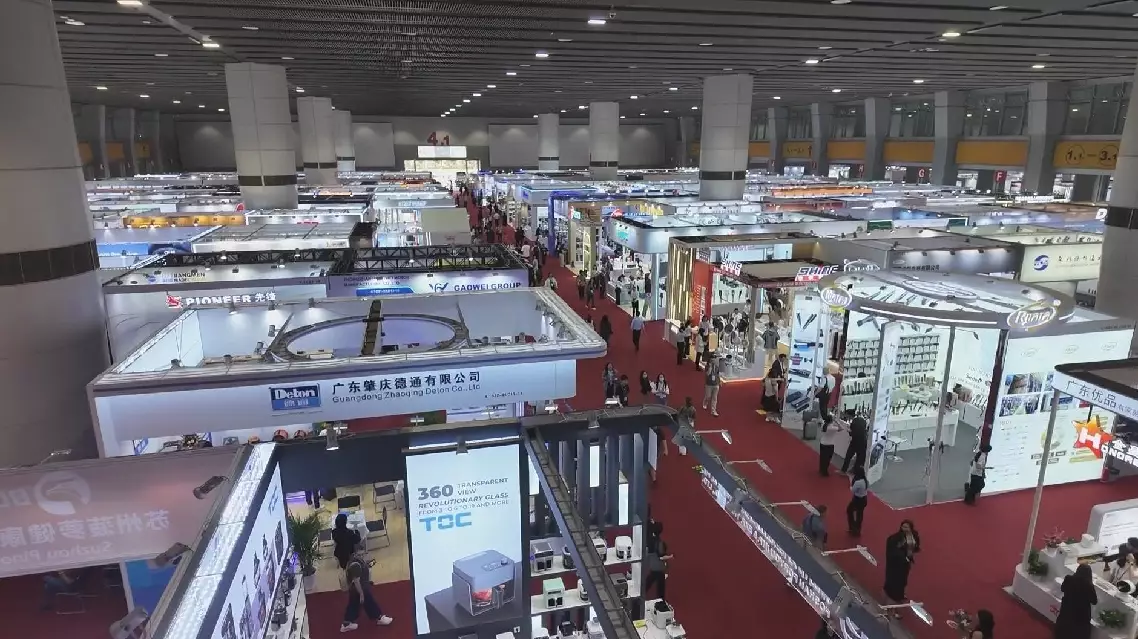
137th Canton Fair opens with record number of exporters in attendance amid rising trade tensions