The European Central Bank (ECB) on Thursday decided to cut key interest rates for the seventh time since June 2024, in response to the negative impact of erratic U.S. tariffs on economic growth across the eurozone.
Following the ECB's adjustment, the deposit facility rate and the interest rate on the main refinancing operations will drop to 2.25 percent and 2.4 percent respectively, while the marginal lending facility rate will be reduced to 2.65 percent.
The ECB said the disinflation process remains on track but warned of increased uncertainty fueled by escalating trade tensions, which are clouding the economic outlook.
Also on Thursday, ECB President Christine Lagarde said during a press conference that "downside risks to economic growth have increased," as a major escalation in global trade tensions and the associated uncertainty will likely lower euro area growth by dampening exports. It may also drive down investment and consumption, she said.
It is the seventh time that the ECB has lowered key interest rates since it embarked on a cycle of rate cuts in June last year. A total of 175 basis points has been knocked off the three key interest rates, which were lifted to their highest points by September 2023.
The ECB didn't repeat its previous rhetoric that the rate cuts would go on, at a time when uncertainties were rising. Instead, it will follow "a data-dependent and meeting-by-meeting approach to determining the appropriate monetary policy stance," said the Bank.
The decision of the U.S. administration to impose sweeping tariffs and its threats of country-specific punitive tariffs have left equity markets reeling and sent shock waves around the globe.
The current uncertainty has also made European banks and businesses more cautious and affected business activity. Banks in the eurozone are tightening their lending standards for companies, according to the ECB's Bank Lending Survey released this month.
In a separate ECB survey on the finances of enterprises, companies reported a decreased need for bank loans, despite the recent decline in interest rates.
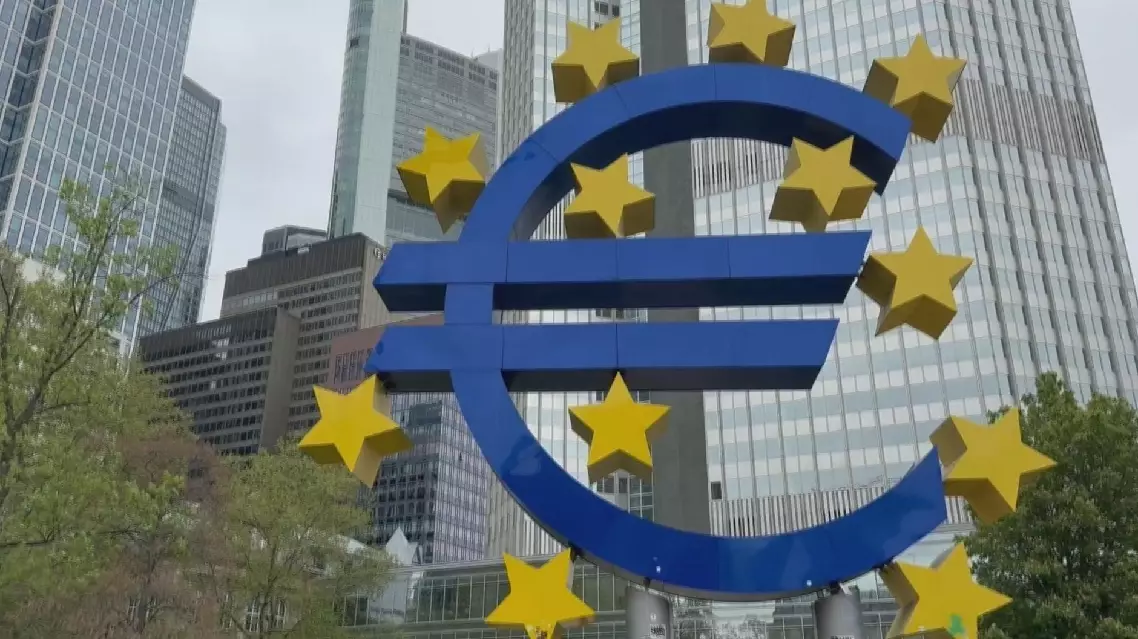
European Central Bank lowers interest rates by 25 basis points
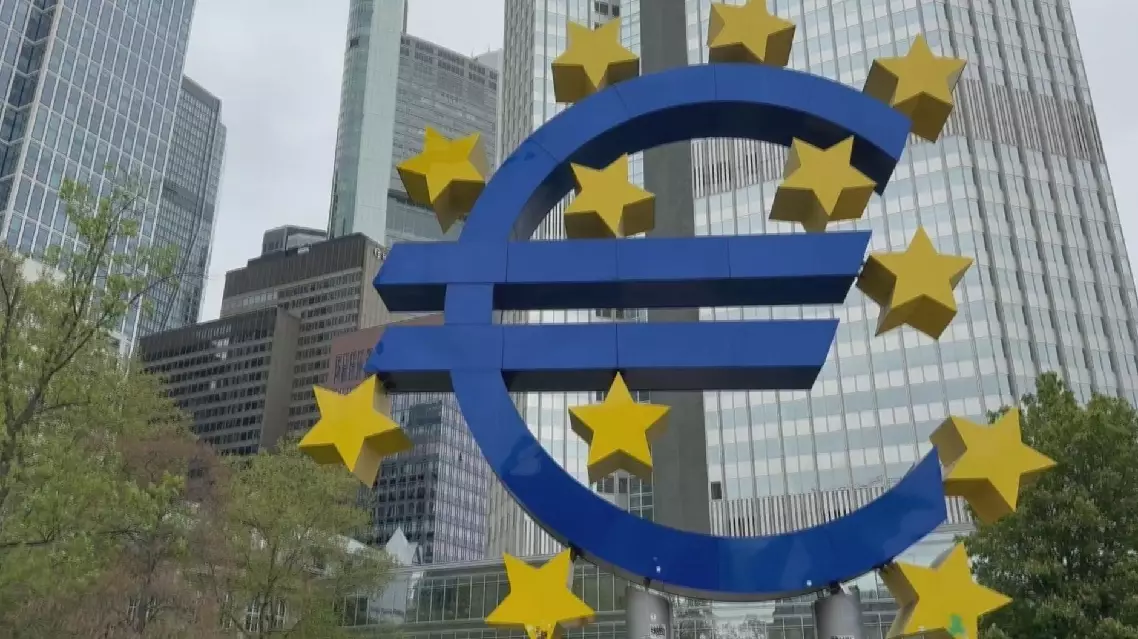
European Central Bank lowers interest rates by 25 basis points
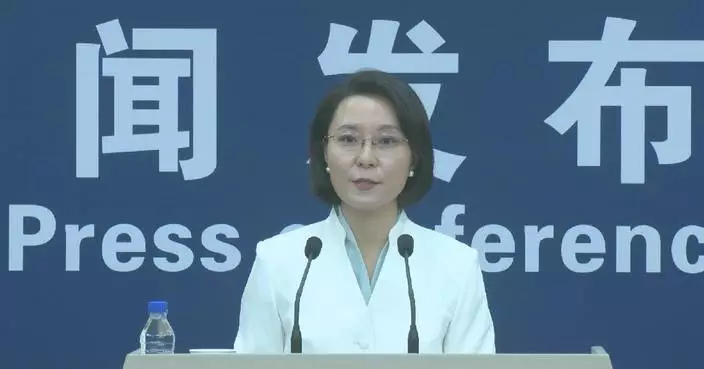
China's Minister of Commerce Wang Wentao outlined the key priorities of the 32nd Asia-Pacific Economic Cooperation (APEC) Ministers Responsible for Trade Meeting, which opened on Friday in Suzhou, East China's Jiangsu province.
In an interview with CGTN ahead of the two-day meeting, Wang said free trade, digital cooperation and green economy are high on the agenda of the meeting.
"The key areas include advancing regional economic integration and the Free Trade Area of the Asia-Pacific, supporting the World Trade Organization (WTO) in strengthening digital cooperation and developing green economy. At present, the international situation is marked by intertwined turbulence and chaos, with intensified geopolitical instability. The rise of unilateralism and protectionism poses serious challenges to the international economic and trade order, disrupting global and Asia-Pacific development. Against this backdrop, all parties have higher expectations for this trade ministers' meeting, hoping that it can build consensus and deliver outcomes," Wang said.
This year marks China's third time hosting the APEC meetings and the 35th anniversary of its membership.
By 2025, China had become the largest trading partner of 13 APEC economies. Trade between China and APEC economies reached 3.7 trillion U.S. dollars, accounting for 57.8 percent of China's total foreign trade.
China has signed 24 free trade agreements or economic and trade arrangements with 31 countries and regions, including 15 APEC economies. In recent years, China has also completed upgrades of free trade agreements with APEC economies such as Singapore and Peru.
The minister said that China has always been a firm supporter and an important contributor to APEC.
"We have actively shared our vast market and development opportunities with all parties. China's door to the world will only open wider and wider. Facing the common challenges, China will continue to fulfill its responsibilities as a major country, further deepen reform, expand high-standard opening-up, and continue to provide new opportunities for the Asia-Pacific region and the world with its new achievements in Chinese modernization," the minister said.
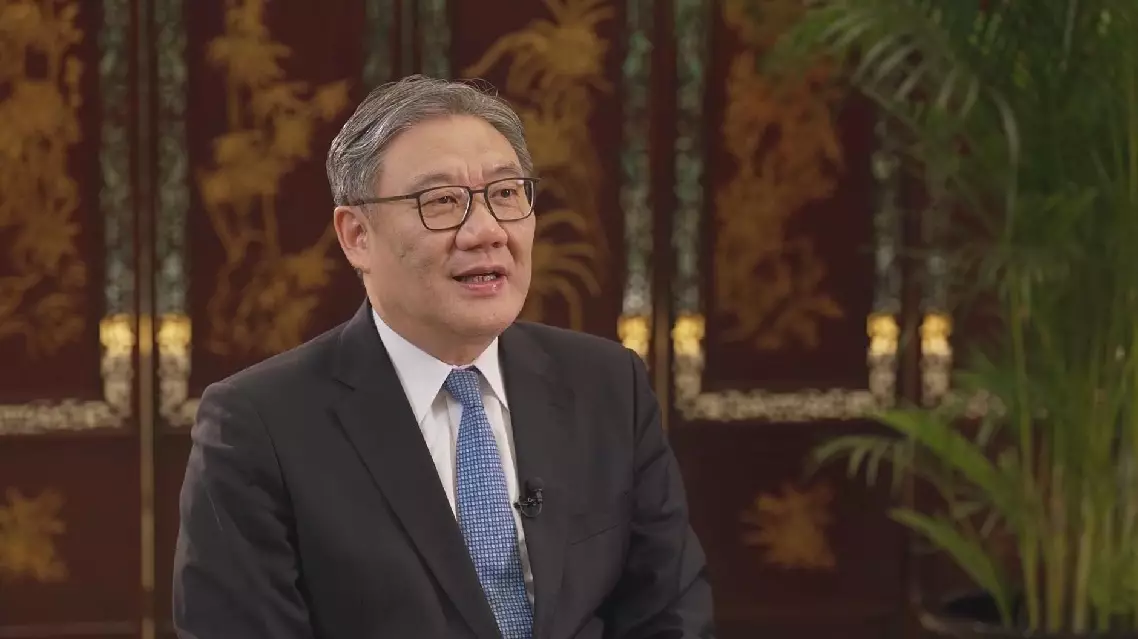
China's Commerce Minister outlines priorities for 32nd APEC trade ministers' meeting