China's trade with Cambodia reached a record 33.33 billion yuan (approximately 4.6 billion U.S. dollars) in the first quarter of this year, continuing a six-quarter growth streak, according to Chinese customs data.
The surge highlights deepening economic ties between the two nations, particularly in sectors such as agriculture, automotive, and textiles.
In Q1, China imported 980 million yuan worth of agricultural products from Cambodia, marking a 12.2-percent increase. Cambodian specialty produce is increasingly appearing on Chinese dinner tables.
Meanwhile, bilateral industrial cooperation is expanding. China exported to Cambodia 840 million yuan worth of automobiles, and 100 million yuan of lithium batteries, up up 183.7 percent and 465.7 percent respectively, reflecting the countries' growing complementarity in auto manufacturing.
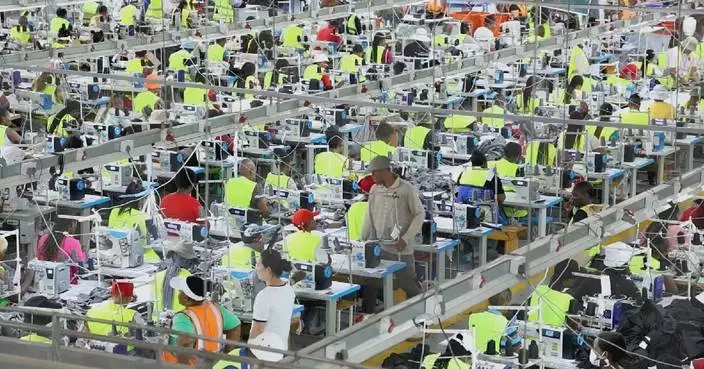
China's textile exports to Cambodia also climbed to 10.14 billion yuan, a 17.7 percent year-on-year rise, continuing seven consecutive quarters of growth. At the same time, apparel and related imports from Cambodia rose 5.2 percent to 790 million yuan.
Cambodia was the first country to sign an action plan with China to build a community of shared future, and the outlook for bilateral trade remains strong.
Lyu Peng, project manager of the Cambodia (Haikou) Commercial Center, who has been deeply involved in bilateral trade, said he has witnessed firsthand the rapid development of China-Cambodia cooperation in recent years. He emphasized that this cooperation has had a profound impact on the economic and social development of both countries.
"China has been Cambodia's largest source of investment and trading partner for 13 consecutive years, yielding fruitful cooperation results. As a member of the Cambodia Business Center, I have had the privilege to participate in and witness the progress of these projects firsthand, experiencing the vitality and potential of China-Cambodia cooperation. Looking ahead, I firmly believe that this partnership will continue to grow and deepen, creating more opportunities and achievements across various fields," said Lyu.
"China's strong support and institutional advantages have played a key role in promoting mutual benefit and win-win cooperation between our countries. China actively advances the Belt and Road Initiative, which aligns closely with Cambodia’s Pentagonal Strategy. This cooperation drives industrial development and generates numerous job opportunities. Additionally, China offers many trade preferential policies to Cambodia, including a zero-tariff policy covering about 8,960 tariff items for 43 countries, Cambodia among them. This policy facilitates easier access for Cambodian agricultural products, handicrafts, and other goods to the Chinese market, boosting Cambodia’s export trade and economic growth," he said.
China has remained Cambodia's largest trading partner for over a decade. Bilateral trade between the two countries exceeded 15 billion dollars last year, marking a nearly 24 percent year-on-year increase.
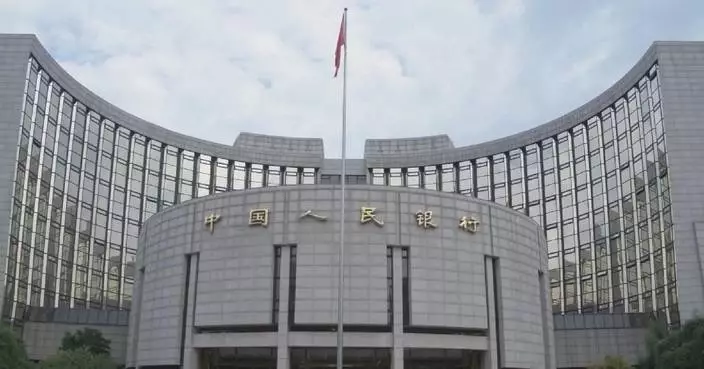
According to the Cambodian Ministry of Commerce, the number of registered Chinese enterprises in Cambodia rose by nearly 21 percent to around 3,000. With stronger bilateral cooperation, China's central bank has actively promoted the use of local currencies in trade. In 2017, the yuan-Cambodian riel regional trading was launched in China's interbank foreign exchange market. The move established a direct exchange rate between the two currencies.
In 2023, the People's Bank of China and the National Bank of Cambodia signed a memorandum of cooperation, designating the Bank of China's Phnom Penh branch as the yuan clearing bank in Cambodia. The People's Bank of China plans to further enhance cross-border yuan usage policies to facilitate smoother bilateral trade and investment.
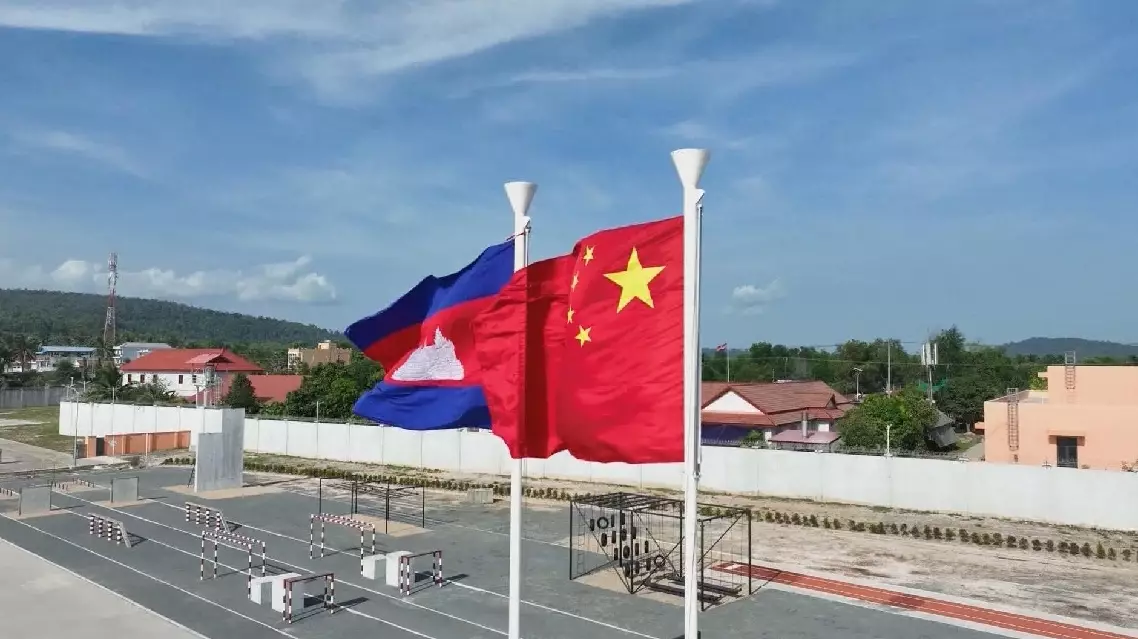
China-Cambodia trade hits record high in Q1
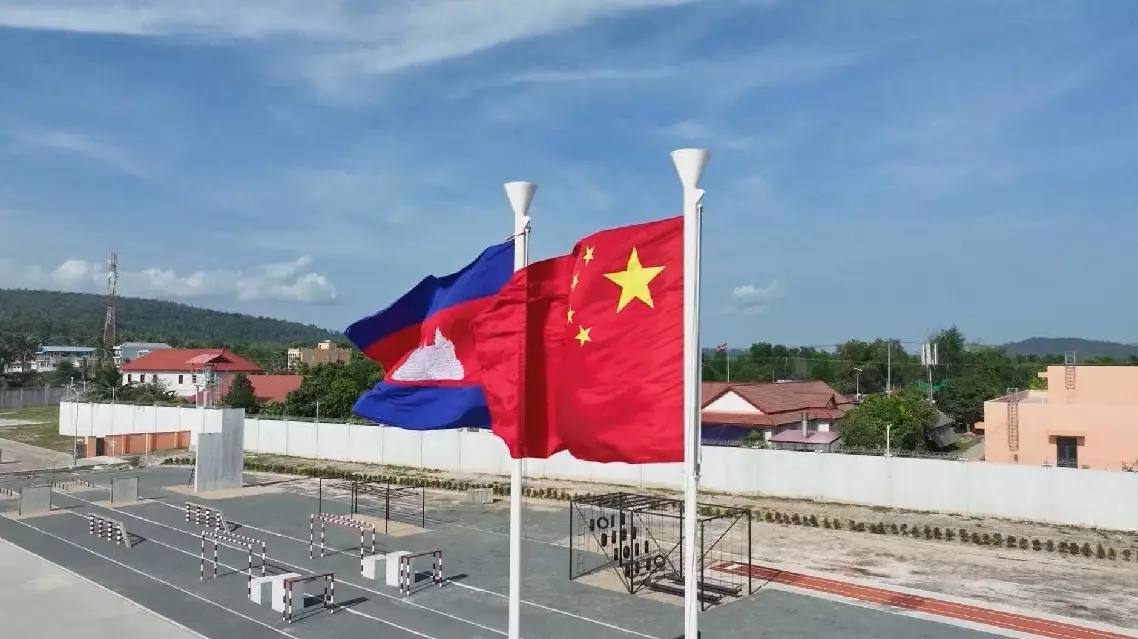
China-Cambodia trade hits record high in Q1
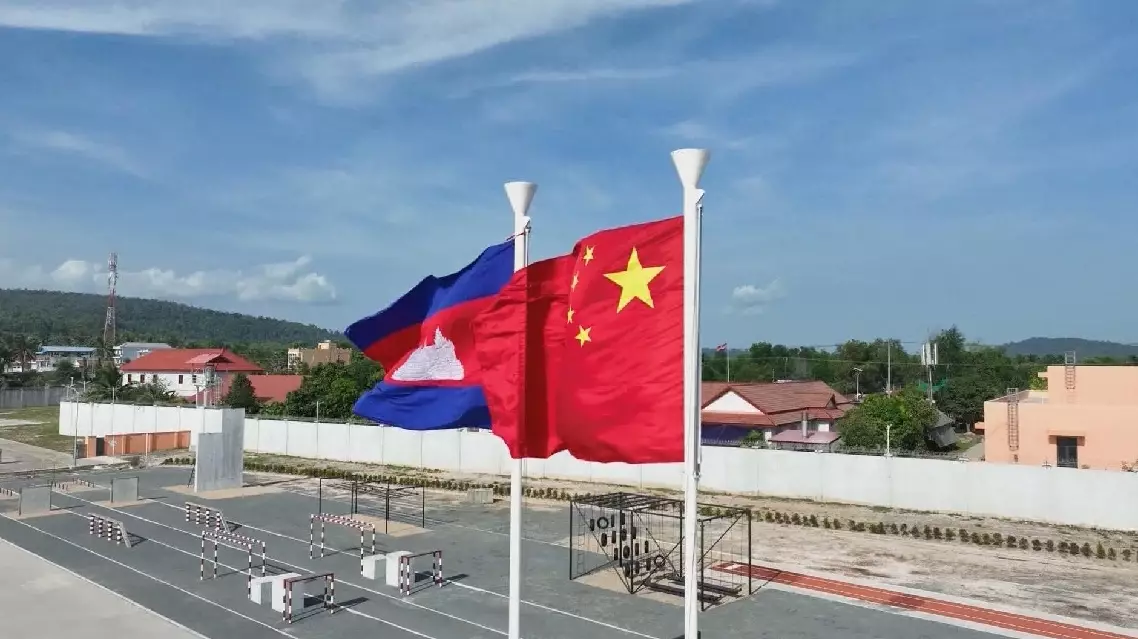
China-Cambodia trade hits record high in Q1