Brazilian soybean exporters are seeing increased interest from China as the country works to pivot away from its traditional trade with the United States, particularly following the recent tariff imposition.
The agricultural commodities market in Brazil is showing clear signs of what analysts have predicted: soybean shipments from Brazil to China are rising as the trade conflict with the U.S. escalates.
Not only did Chinese buyers significantly increase their contracted volumes in the first quarter, but premiums are also rising -- an unusual occurrence for this time of year, as post-harvest stocks in Brazil typically lead to lower prices.
Signs of such movement could be seen even before the new U.S. tariff policies were officially implemented, according to industry analysts.
"I think they were expecting something like that from Trump. And so they started to increase their imports from Brazil already, before the establishment of the tariffs. But now it's very clear that they are searching (for) more products from Brazil," said Jose Carlos, a market analyst for Brazilian agricultural market consulting company MB Agro.
The Brazilian Association of Vegetable Oil Industries has confirmed the expected increase in Chinese demand but warned that it is essential to keep soybean processing domestic to secure the supply of key products like vegetable oil and biodiesel.
The overall impact of the U.S. tariff disputes on Brazil is still uncertain. A recent study by the Federal University of Minas Gerais estimates the country could lose nearly two billion dollars in exports.
However, there is no doubt that Brazil's soy sector stands to gain from the increasing demand from China, at least in the short term.
While some sectors may experience gains, they may not be enough to counterbalance the broader disruptions in international trade that Brazil is facing, according to Bruno Russo, the owner of Brazilian foreign trade company Timbro Trading.
"I believe it's important that dialogue prevails so this trade war can end as soon as possible. There may be indirect impacts, including on logistics. If this conflict moves forward, it could have medium- to long-term consequences. So we hope diplomacy and dialogue will prevail and bring it to an end," he said.
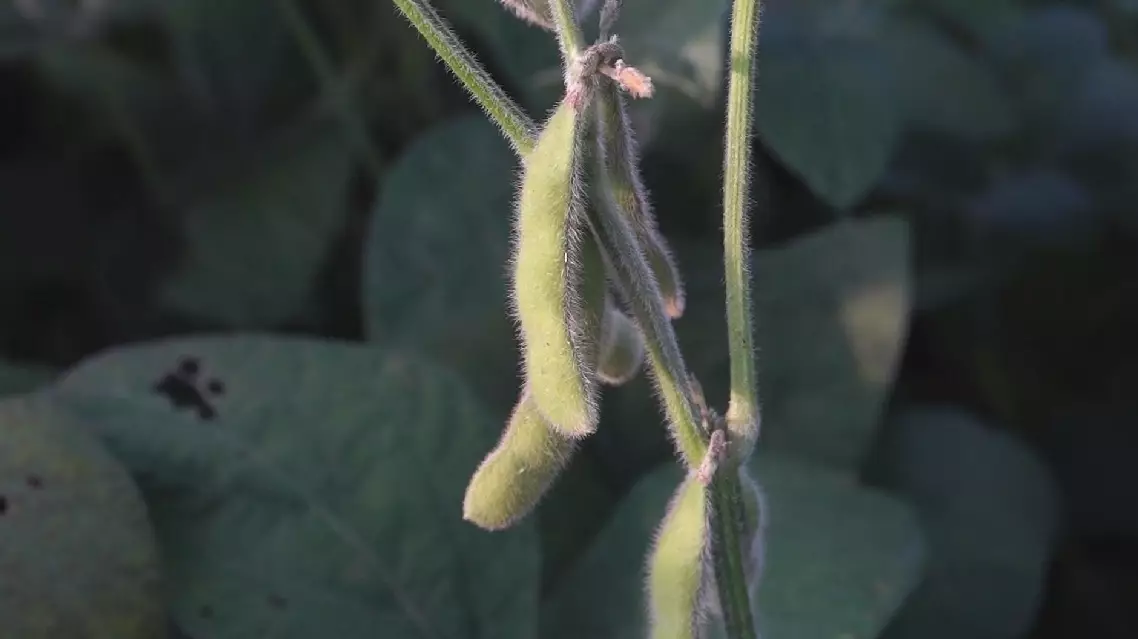
Brazilian soybean exporters welcome Chinese buyers