Chinese Vice President Han Zheng met with Indonesian Foreign Minister Sugiono in Beijing on Monday.
Han said that last year, President Xi Jinping and President Prabowo Subianto reached an important consensus on building a community with a shared future with regional and global influence, which has provided clear direction for the development of bilateral relations.
China is willing to work with Indonesia to uphold the leadership of the heads of state, strengthen strategic alignment, enhance multilateral cooperation, and push the China-Indonesia community with a shared future to new heights, Han said, adding that this will contribute even more to the modernization processes of both countries, as well as to regional and global prosperity and development.
Sugiono said that Indonesia is willing to take the 75th anniversary of diplomatic relations between the two countries as an opportunity to deepen mutual cooperation, firmly defend multilateralism, jointly address risks and challenges, and promote further development of the comprehensive strategic partnership.
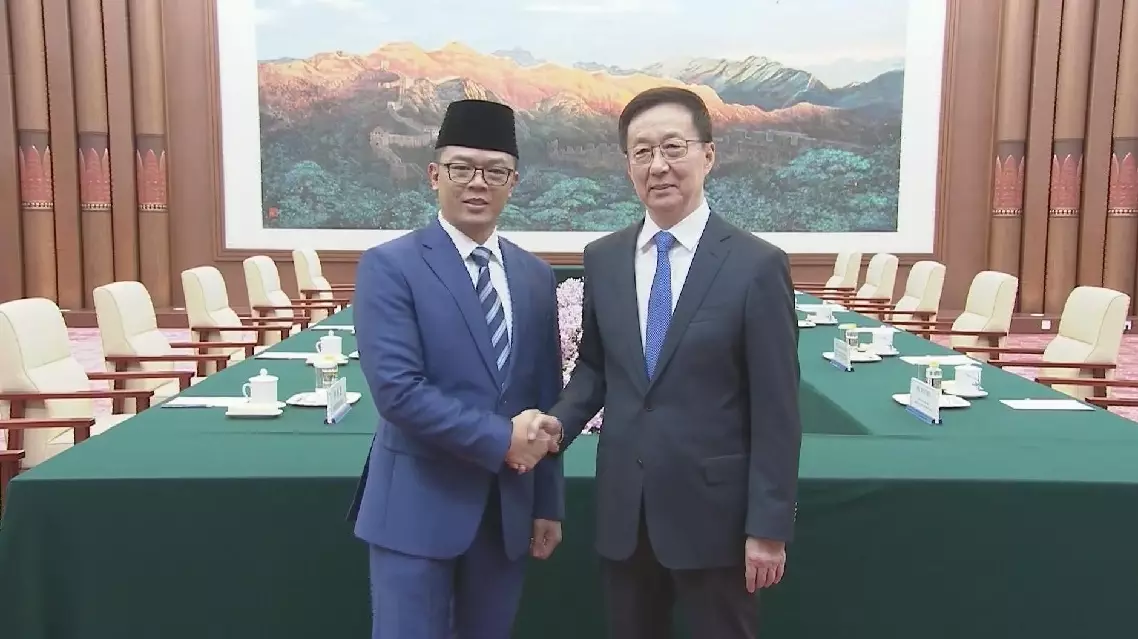
Chinese vice president meets Indonesian Foreign Minister
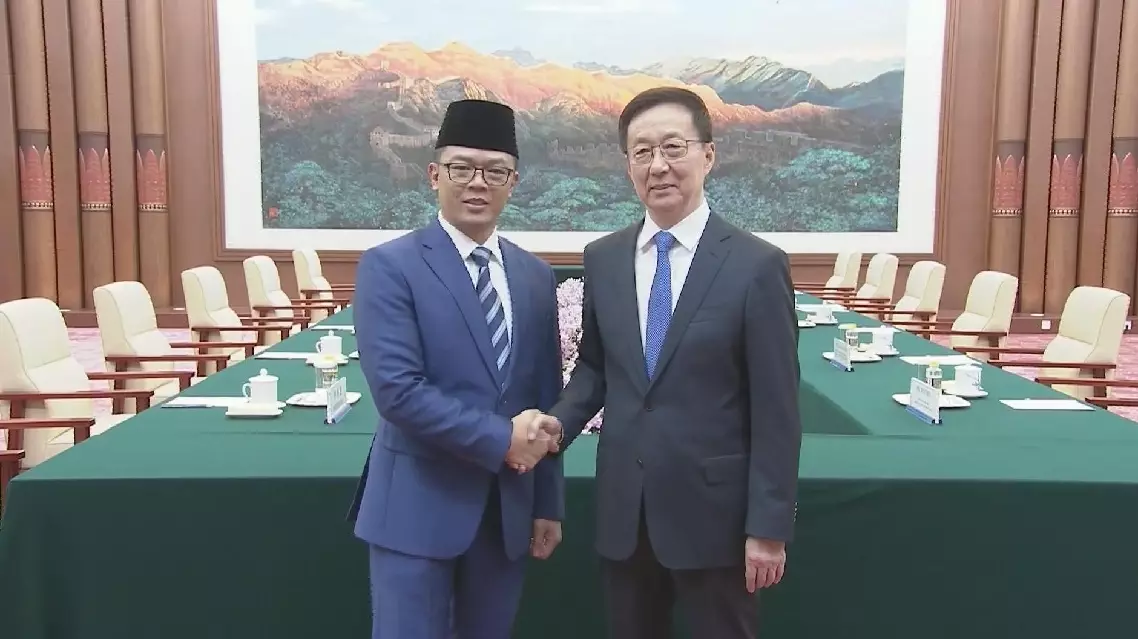
Chinese vice president meets Indonesian Foreign Minister
Japan's easing of restrictions on lethal weapons exports could fuel a regional arms race and cause greater militarization across Asia, according to an analyst in the Philippines.
The Japanese government officially revised "the three principles on transfer of defense equipment and technology" and their implementation guidelines on April 21 to enable overseas sales of weapons, including those with lethal capabilities.
"It marks Japan's shift from being mainly a security supporter to becoming a more active defense industrial and strategic supplier in Asia. Allowing exports of lethal systems, including warships, missiles, drones, and destroyers, weakens the post-war restraint on Japan," said Anna Rosario Malindog-Uy, vice president for external affairs of the Asian Century Philippines Strategic Studies Institute, during a recent interview with China Global Television Network (CGTN). "It can provoke what you call arms race in the region and without the so-called diplomatic guardrails, you know, and it could accelerate what you call an ASEAN arms buildup and raise the risk of miscalculation on the ground," she added.
She also pointed out other factors that are further worsening the situation.
"So the key danger is not Japanese export alone. But it's the combination of the militarized dispute, historical mistrust, alliance signaling, and weak crisis management mechanism that we have actually in the region even within the ASEAN context," said the analyst.
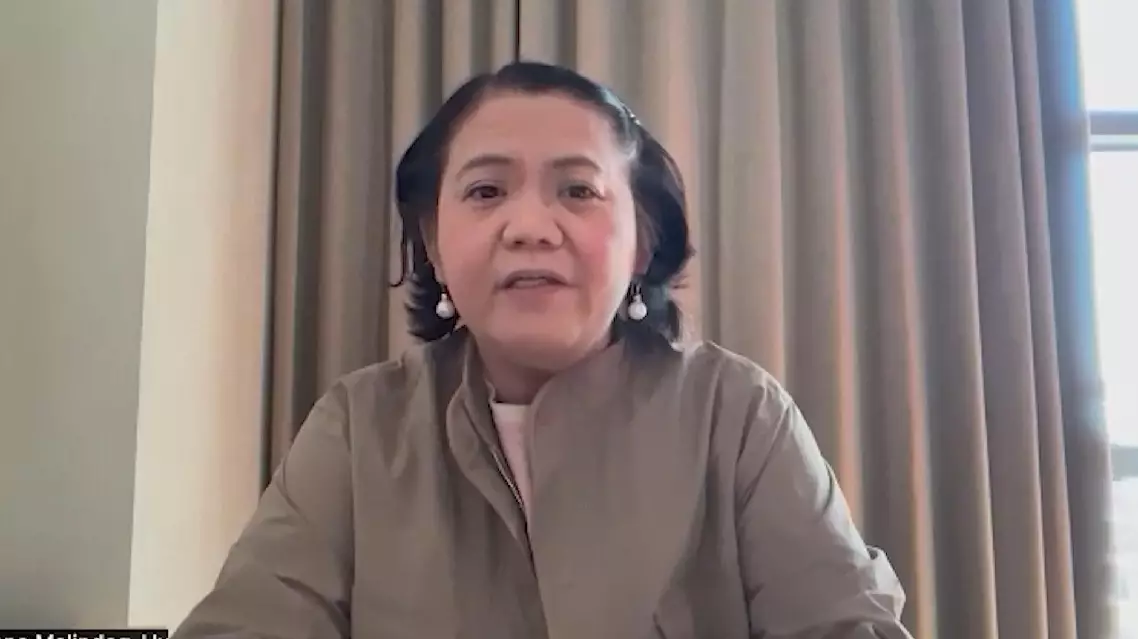
Japan's defense export shift could fuel regional arms race: Philippine analyst