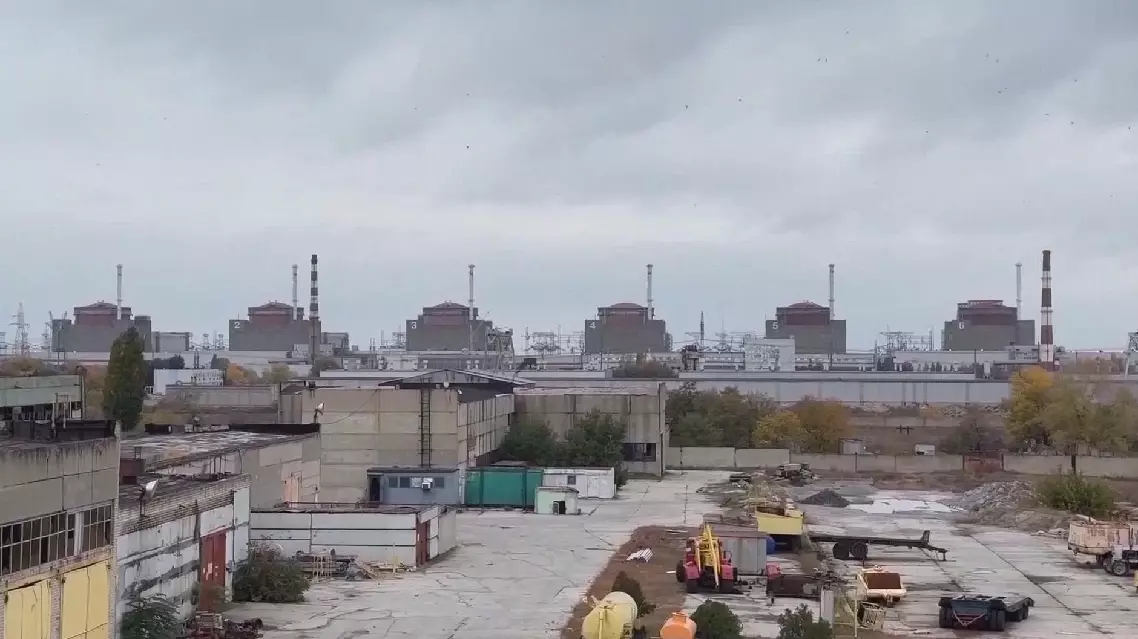
The International Atomic Energy Agency (IAEA) said Monday that meteorological monitoring equipment at Zaporizhzhia nuclear power plant's External Radiation Control Laboratory (ERCL) had been damaged by a drone.
The Zaporizhzhia plant, one of Europe's largest nuclear facilities, has been under Russian control since March 2022.
An IAEA team visited the lab and confirmed the damage a day after the plant reported being targeted by a drone, the agency said on social media, adding the equipment is no longer operational.
IAEA Director General Rafael Grossi once again called for maximum military restraint near all nuclear facilities to avoid safety risks.
The IAEA said on Sunday that it had been informed by the Zaporizhzhia nuclear power plant that a drone had targeted the plant's ERCL earlier in the day.
The plant has been subjected to repeated shelling and drone attacks, raising concerns about nuclear safety.
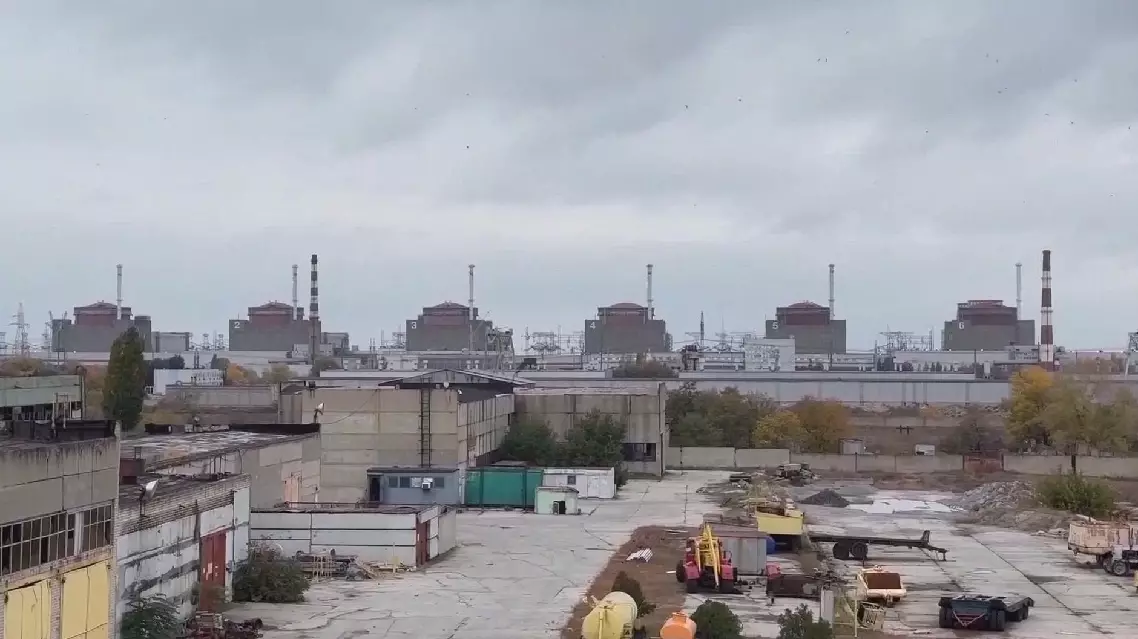
IAEA confirms damage to radiation lab equipment at Russian-held Zaporizhzhia plant
The spillover effect of the war in Iran has impacted the investment for reconstruction projects in Syria.
Many reconstruction plans in the country are facing widespread stagnation due to the funding gap partially brought by the economic impact of the conflicts in the region.
"Most projects that started work in Syria are currently stalled or somewhat delayed. A large number of projects remain at the commitment stage, and 99 percent of contracts have been halted. In the foreseeable future, there is no possibility of resuming operation," said Marai, a Syrian economist.
Analysts said the military conflicts in Iran are exerting multiple impacts on Syria's reconstruction through energy, logistics, and financial channels.
The disruptions in cross-border transportation and trade routes directly affect the import of engineering materials and equipment.
The disrupted supply chains and fluctuations in fuel prices have driven up the construction costs of various projects.
Furthermore, insufficient legal safeguards and swings of exchange rate further undermine investor confidence.
"Many projects have been suspended or delayed to some extent due to a lack of relevant resources. Disrupted energy supply, unstable exchange rates, and market uncertainties have made it difficult for investors to enter the Syrian market," said Marai.
Analysts believe that Syria's reconstruction prospects remain grim due to the spillover effects of the war in Iran and the internal structural problems of Syria.
If regional tensions persist, the economic and investment recovery in Syria will face long-term challenges.
Spillover of Iran war impacts Syria's reconstruction investment