War, like love, has long inspired artists and musicians. That is especially true of the songs written in response to the Vietnam War during the countercultural movements of the 1960s and ’70s. The songs released in that time — and in the years that followed — sought to highlight the experiences of those affected by combat and in a period of societal upheaval.
This month marks 50 years since the fall of Saigon. Below, explore 11 songs from the 1960s through the 2010s about the conflict, from artists around the world. You can listen to the tracks on our Spotify playlist, here.
Click to Gallery
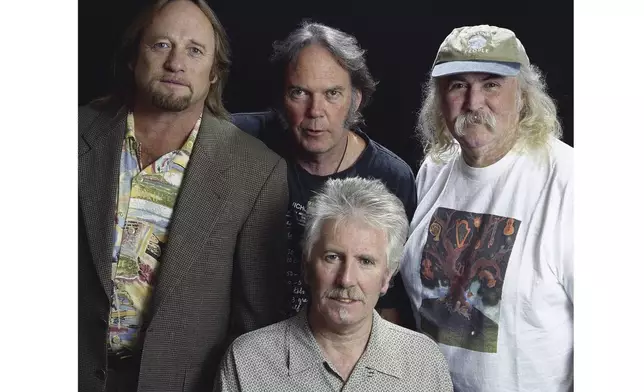
FILE - Musicians Stephen Stills, left, Neil Young, background center, Graham Nash, seated, and David Crosby pose for a photo at the Pierre Hotel, Oct. 13, 1999, in New York. (AP Photo/Jim Cooper, File)
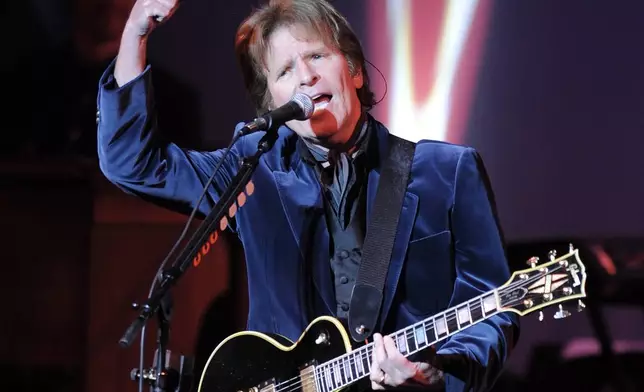
FILE - Singer John Fogerty performs at the "Sounds of Change," the Grammy foundation's 10th annual music preservation project, Wednesday, Feb. 6, 2007, in Los Angeles. (AP Photo/Mark J. Terrill, File)
FILE - Musicians Stephen Stills, left, Neil Young, background center, Graham Nash, seated, and David Crosby pose for a photo at the Pierre Hotel, Oct. 13, 1999, in New York. (AP Photo/Jim Cooper, File)
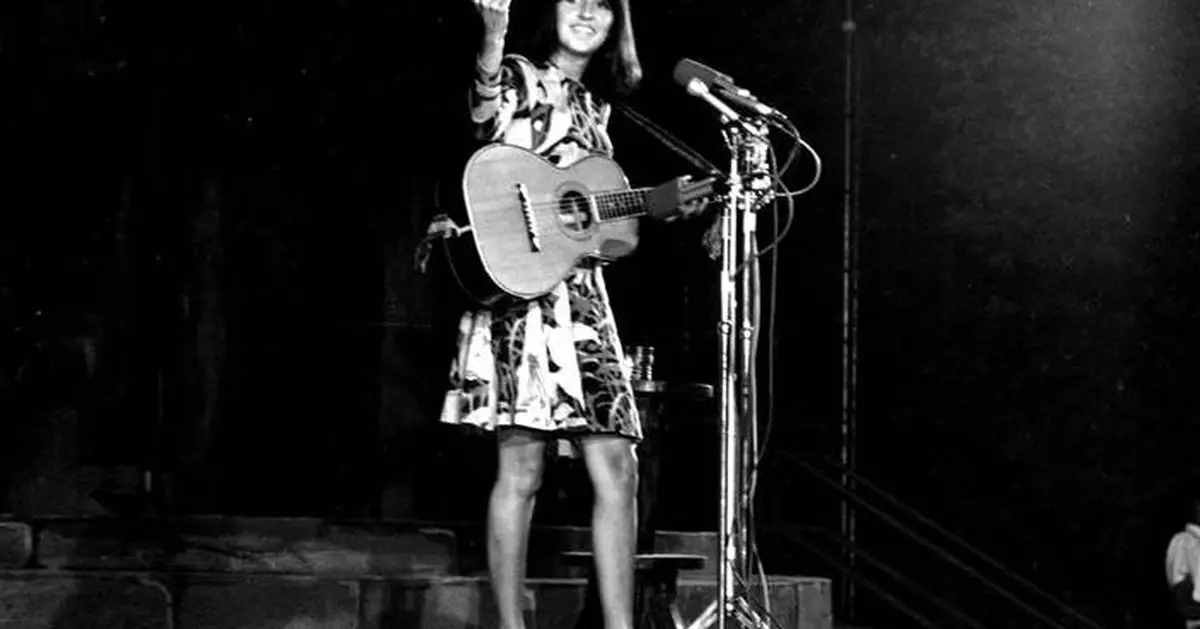
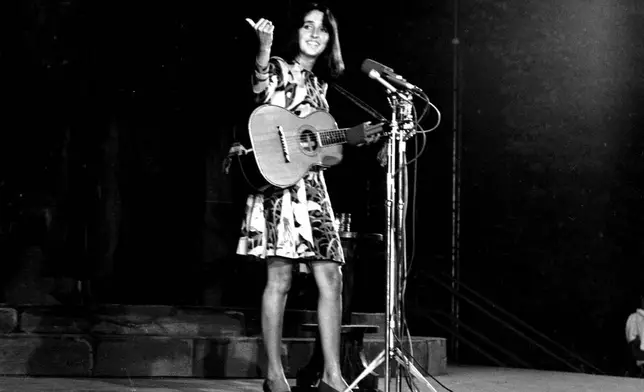
FILE - Folk singer Joan Baez performs at the Washington Monument in Washington, D.C. on Aug. 14, 1967. (AP Photo/ John Rous, File)
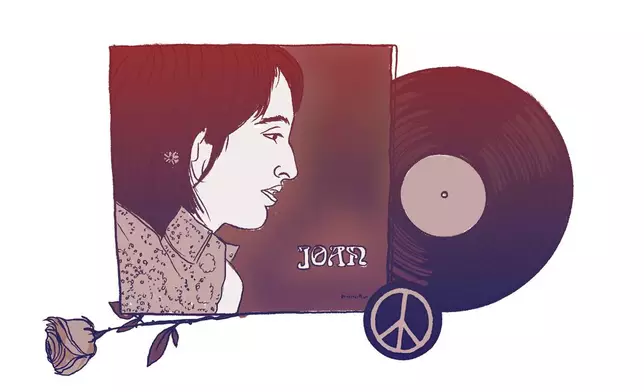
(AP Illustration / Peter Hamlin)
Based on a poem sent to Joan Baez by Nina Duschek, “Saigon Bride” is emblematic of ’60s folk music and tells the story of a solider who goes to war, leaving his wife behind. “How many dead men will it take / To build a dike that will not break?” she sings in her soft vibrato. “How many children must we kill / Before we make the waves stand still?”
Văn Dung’s ”Đường Trường Sơn xe anh qua” (“The Truong Son Road Your Vehicles Passed Through”) is written about the Ho Chi Minh trail, an expansive system of paths and trails used by North Vietnam to bring troops and supplies into South Vietnam, Cambodia and Laos during the war. Dung wrote the song in 1968, when he arrived at the Khe Sanh front, about female youth volunteers. There are many wonderful covers of this one, too, including a theatrical rendition by Trọng Tấn.
It may very well be the first song that comes to mind when the Vietnam War is brought up. Creedence Clearwater Revival's three-time platinum “Fortunate Son” is a benchmark by which to compare the efficacy of all other protest anthems. Frontman John Fogerty wrote this one to highlight what he viewed as an innate hypocrisy: American leaders perpetuating war while protecting themselves from making the same sacrifices they asked of the public. “Yeah-yeah, some folks inherit star-spangled eyes,” he sings. “Hoo, they send you down to war, Lord.”
Martha Reeves & the Vandellas’ “I Should Be Proud” is conflicted. Soul singer Reeves embodies a narrator who learns her love has been killed in combat during the Vietnam War. Instead of being filled with pride for his sacrifice, she grieves. “But I don’t want no silver star,” she sings. “Just the good man they took from me.”
The Vietnamese singer-songwriter Trịnh Công Sơn has a rich catalog featuring a myriad of anti-war songs; selecting just one is a challenge. But “Ca Dao Mẹ” (“A Mother’s Lullaby”) is a clear standout. It details a mother’s sacrifice during wartime. In the last verse, the mother sings a lullaby to her child and also the young country. Vietnamese singer Khánh Ly does a lovely cover of it, too.
On May 4, 1970, the Ohio National Guard opened fire on unarmed college students during a protest at Kent State University. Four students were killed, and nine others were injured. Not all of those hurt or killed were involved in the demonstration, which opposed the U.S. bombing of neutral Cambodia during the Vietnam War. Neil Young was sitting on a porch with David Crosby when he saw images of the horrific event in a magazine and decided to write a song about it. “What if you knew her and found her dead on the ground?” he sang.
There isn’t an emotion Marvin Gaye couldn't perfectly articulate with his rich tone; the classic “What’s Going On” is no exception. The song was originally inspired by an act of police brutality in 1969 known as “Bloody Thursday”; when it got to Gaye, it was imbued with experiences gleaned from his brother, a Vietnam veteran. The message, of course, is timeless.
There isn’t a lot of overlap with Christmas songs and protest music, but John Lennon, Yoko Ono, the Plastic Ono Band and the Harlem Community Choir certainly knew how to get their message across with “Happy Xmas (War Is Over).” It's a smart choice — combining the sweetness of a holiday tune with a message of unity — delivered with guitar, piano, chimes and, most effective of all, a children's choir.
Formed the year punk broke — that’s 1977, two years after the end of the Vietnam War — English post-punk band Television Personalities are a cult favorite for their cheeky, ramshackle, clever pop songs, led by frontman Dan Treacy’s undeniable schoolboy charm. The final track on their 1984 album “The Painted Word,” however, tells a different story. “Back to Vietnam” describes an insomniac man experiencing wartime post-traumatic stress disorder, replete with the sounds of gunshots and screams.
German thrash metal band Sodom’s 1989 album “Agent Orange” put their extreme music on the map, even breaking into the Top 40 in their native country. Beyond its ferocious pleasures, the album centers on lead vocalist and principal songwriter Tom Angelripper’s fascination with the Vietnam War, leading with the opening title track. “Operation Ranch Hand / Spray down the death,” he releases a throaty scream.
Dedicated fans of the Boss know “The Wall” is one Bruce Springsteen held onto for a while; he performed it at a 2002 benefit long before its official release on his 2014 album “High Hopes.” The song was inspired by a trip he took to the Vietnam Veterans Memorial in Washington. “This black stone and these hard tears,” he sings in the first verse, “are all I got left now of you.”
For more coverage of the 50th anniversary of the Vietnam War’s end, visit https://apnews.com/hub/vietnam-war.
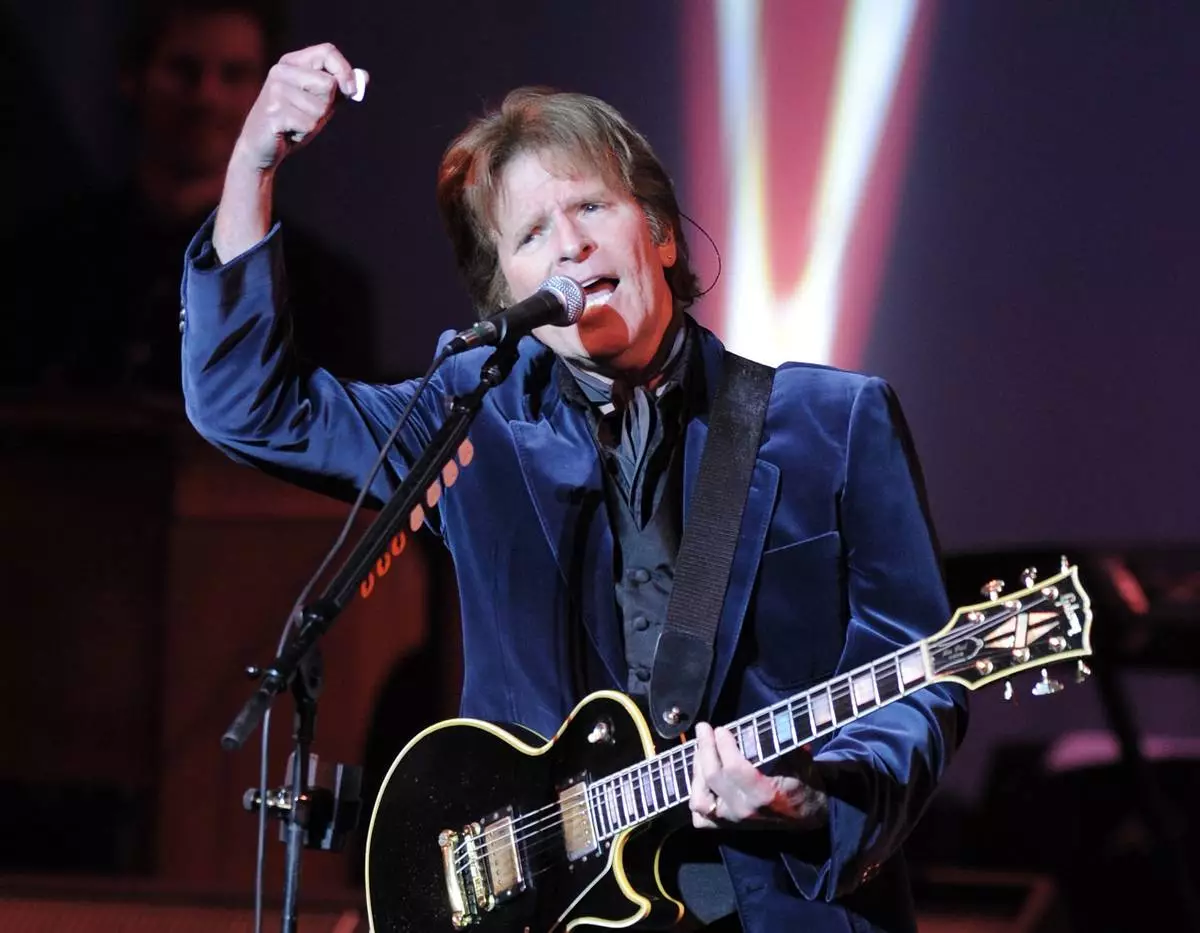
FILE - Singer John Fogerty performs at the "Sounds of Change," the Grammy foundation's 10th annual music preservation project, Wednesday, Feb. 6, 2007, in Los Angeles. (AP Photo/Mark J. Terrill, File)
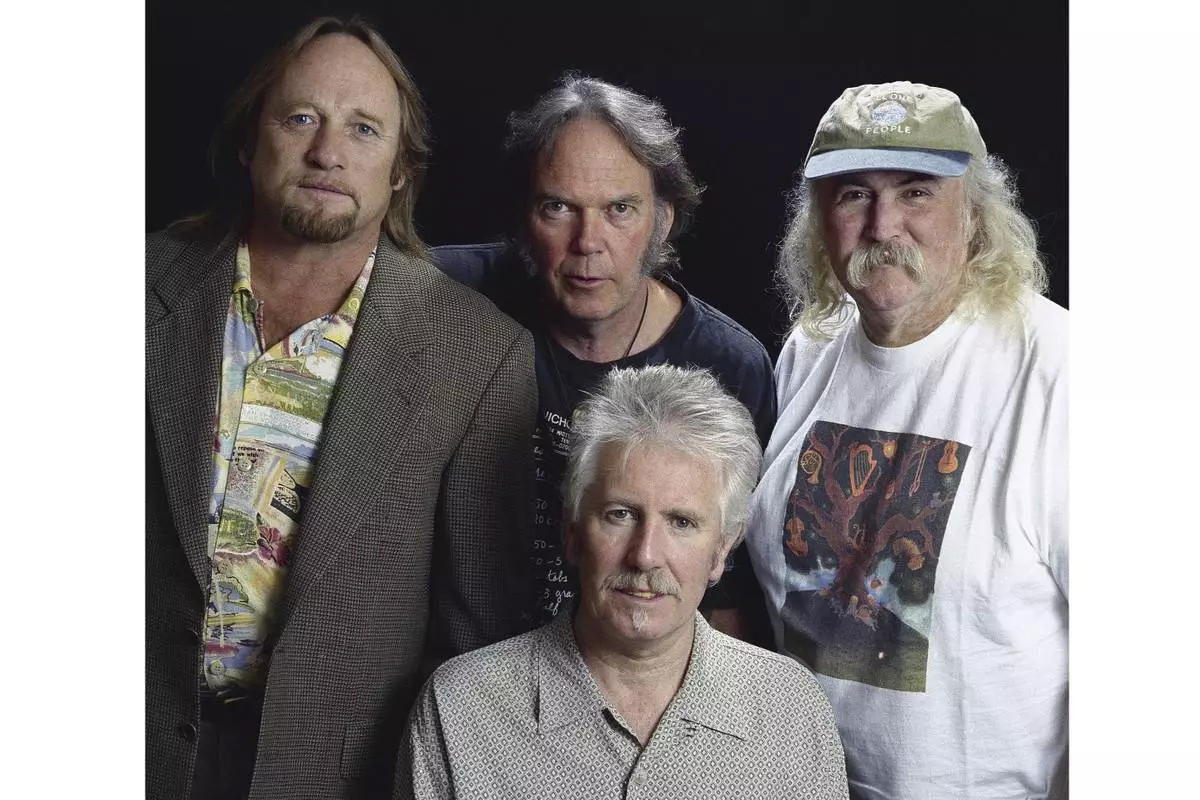
FILE - Musicians Stephen Stills, left, Neil Young, background center, Graham Nash, seated, and David Crosby pose for a photo at the Pierre Hotel, Oct. 13, 1999, in New York. (AP Photo/Jim Cooper, File)
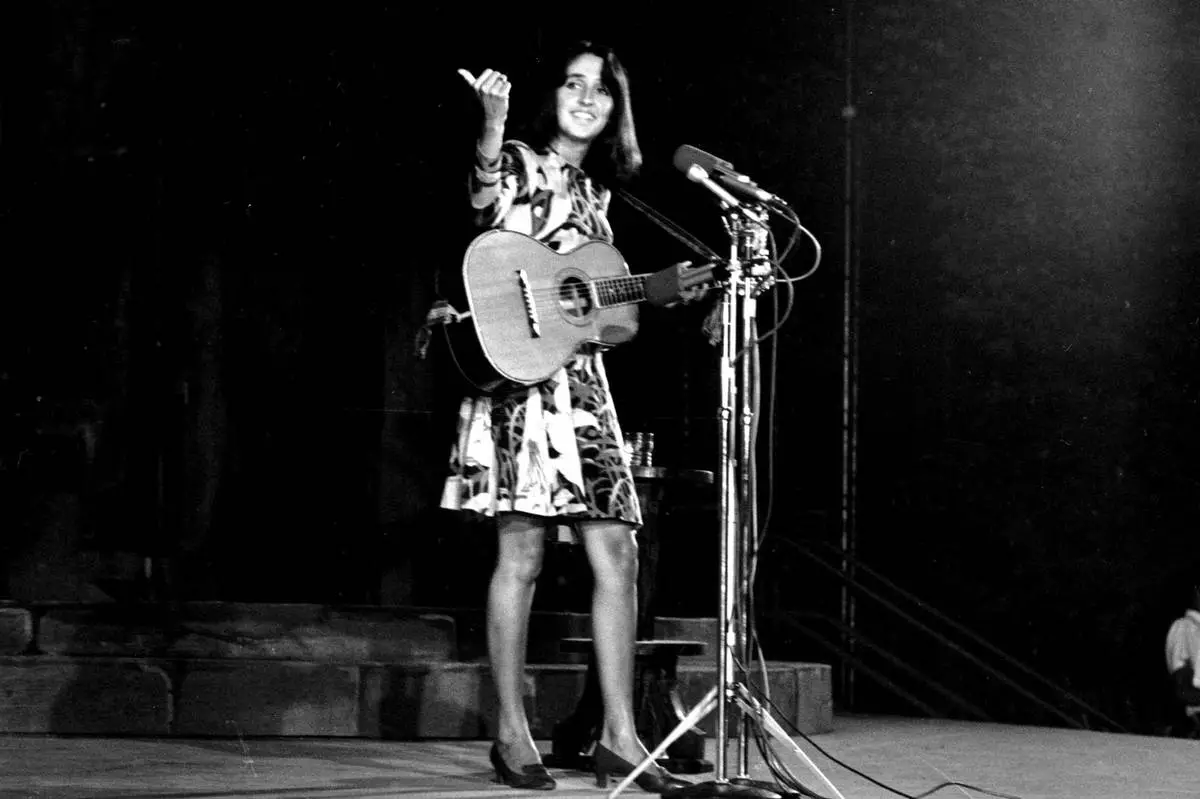
FILE - Folk singer Joan Baez performs at the Washington Monument in Washington, D.C. on Aug. 14, 1967. (AP Photo/ John Rous, File)
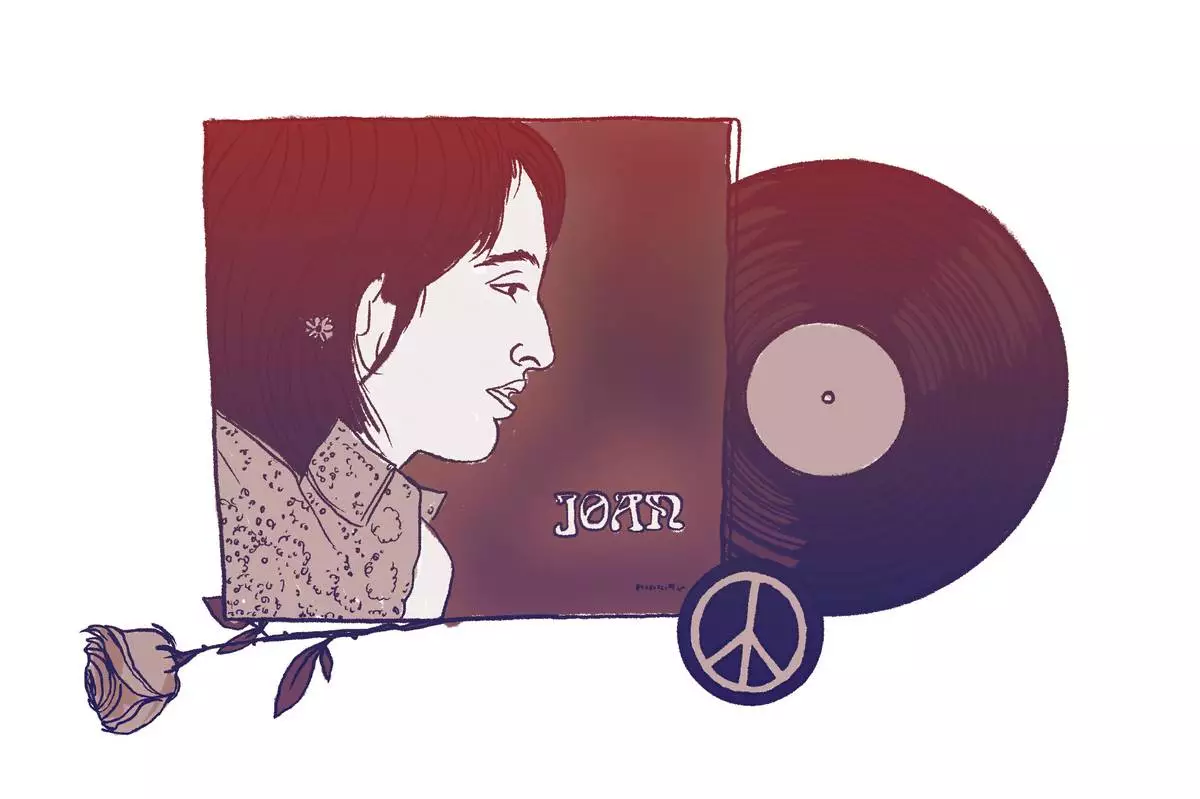
(AP Illustration / Peter Hamlin)
HAVANA (AP) — Trumpets and drums played solemnly at Havana's airport Thursday as white-gloved Cuban soldiers marched out of a plane carrying urns with remains of the 32 Cuban officers killed during a stunning U.S. attack on Venezuela.
Nearby, thousands of Cubans lined one of Havana’s most iconic streets to await the bodies as the island remained under threat by the administration of U.S. President Donald Trump.
The soldiers' shoes clacked as they marched stiff-legged into the headquarters of the Ministry of the Armed Forces and placed the urns on a long table next to the pictures of those killed. Tens of thousands of people paid their respects, saluting the urns or holding their hand over their heart, many of them drenched from standing outside in a heavy downpour.
Thursday’s mass funeral was only one of a handful that the Cuban government has organized over the past half-century.
The soldiers were part of the security detail of Venezuelan President Nicolás Maduro during the Jan. 3 raid on his residence to seize the former leader and bring him to the U.S. to face drug trafficking charges.
State television also showed images of more than a dozen people it said were wounded combatants from the raid, accompanied by Cuban Foreign Minister Bruno Rodríguez after arriving Wednesday night from Venezuela. Some were in wheelchairs.
Tensions between Cuba and the U.S. have spiked, with Trump recently demanding that the Caribbean country make a deal with him before it is “too late.” He did not explain what kind of deal.
Trump also has said that Cuba will no longer live off Venezuela's money and oil. Experts warn that the abrupt end of oil shipments could be catastrophic for Cuba, which is already struggling with serious blackouts and a crumbling power grid.
Officials unfurled a massive flag at Havana's airport as President Miguel Díaz-Canel, clad in military garb, stood silent next to former President Raúl Castro, with what appeared to be the relatives of those killed looking on nearby.
Cuban Interior Minister Lázaro Alberto Álvarez Casas called the slain soldiers “heroes” of an anti-imperialist struggle spanning both Cuba and Venezuela. In an apparent reference to the U.S., he said the “enemy” speaks of “high-precision operations, of troops, of elites, of supremacy.
“We, on the other hand, speak of faces, of families who have lost a father, a son, a husband, a brother,” Álvarez said.
The events demonstrate that “imperialism may possess more sophisticated weapons; it may have immense material wealth; it may buy the minds of the wavering; but there is one thing it will never be able to buy: the dignity of the Cuban people,” he said.
Carmen Gómez, a 58-year-old industrial designer, was among the thousands of Cubans who lined a street where motorcycles and military vehicles thundered by with the remains of those killed.
“They are people willing to defend their principles and values, and we must pay tribute to them,” Gómez said, adding that she hopes no one invades her country. “It’s because of the sense of patriotism that Cubans have, and that will always unite us.”
The 32 military personnel ranged in age from 26 to 60 and were part of protection agreements between the two countries.
Officials in Cuba have said they expect a massive demonstration Friday across from the U.S. Embassy to protest the deaths.
“People are upset and hurt ... many do believe that the dead are martyrs” of a historic struggle against the United States, analyst and former diplomat Carlos Alzugaray told The Associated Press.
In October 1976, then-President Fidel Castro led a massive demonstration to bid farewell to the 73 people killed in the bombing of a civilian flight financed by anti-revolutionary leaders in the U.S. Most of the victims were Cuban athletes.
In December 1989, officials organized a ceremony to honor the more than 2,000 Cuban combatants who died in Angola during Cuba’s participation in a war that defeated the South African army.
In October 1997, memorial services were held following the arrival of the remains of guerrilla commander Ernesto “Che” Guevara and six of his comrades, who died in 1967.
The latest mass burial is critical to honor those slain, said José Luis Piñeiro, a 60-year-old doctor who lived for four years in Venezuela.
“I don’t think Trump is crazy enough to come and enter a country like this, ours, and if he does, he’s going to have to take an aspirin or some painkiller to avoid the headache he’s going to get,” Piñeiro said. “These were 32 heroes who fought him. Can you imagine an entire nation? He’s going to lose.”
The remains arrived a day after the U.S. announced $3 million in additional aid to help the island recover from the catastrophic Hurricane Melissa. The first flight took off on Wednesday, and a second flight was scheduled for Friday. A commercial vessel also will deliver food and other supplies.
Cuba had said on Wednesday that any contributions will be channeled through the government.
But U.S. State Department foreign assistance official Jeremy Lewin said Thursday that the U.S. was working with Cuba’s Catholic Church to distribute aid, as part of Washington's efforts to give assistance directly to the Cuban people.
“There’s nothing political about cans of tuna and rice and beans and pasta,” he said Thursday, warning that the Cuban government should not intervene or divert supplies. “We will be watching, and we will hold them accountable.”
Lewin said the Cuban government has a choice to: “Step down or better provide towards people.” Lewin added that “if there was no regime,” the U.S. would provide “billions and billions of dollars” in assistance, as well as investment and development: “That’s what lies on the other side of the regime for the Cuban people.”
Cuban Foreign Minister Bruno Rodríguez said the U.S. government was “exploiting what appears to be a humanitarian gesture for opportunistic and politically manipulative purposes.”
Coto contributed from San Juan, Puerto Rico.
Follow AP’s coverage of Latin America and the Caribbean at https://apnews.com/hub/latin-america
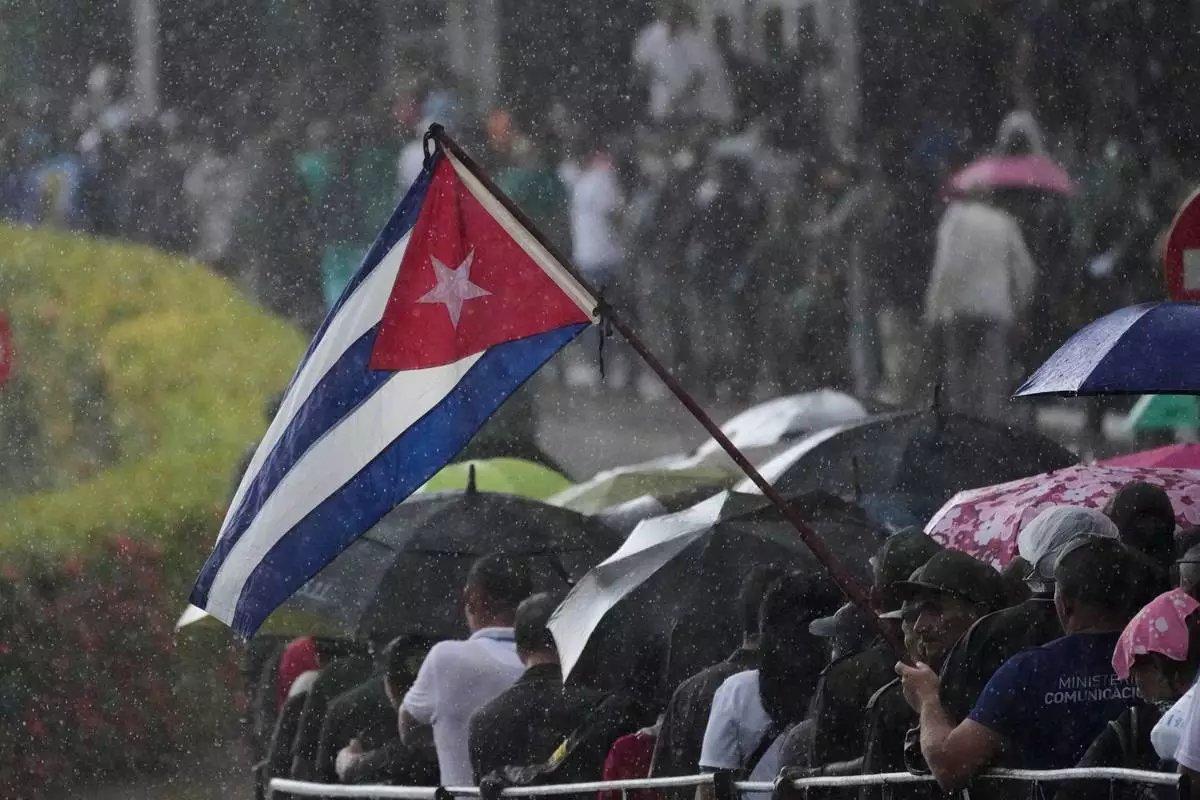
People line up outside the Ministry of the Revolutionary Armed Forces where the remains are on display of the Cuban officers who were killed during the U.S. operation in Venezuela that captured President Nicolas Maduro, as it sprinkles rain in Havana, Cuba, Thursday, Jan. 15, 2026. (AP Photo/Ramon Espinosa)
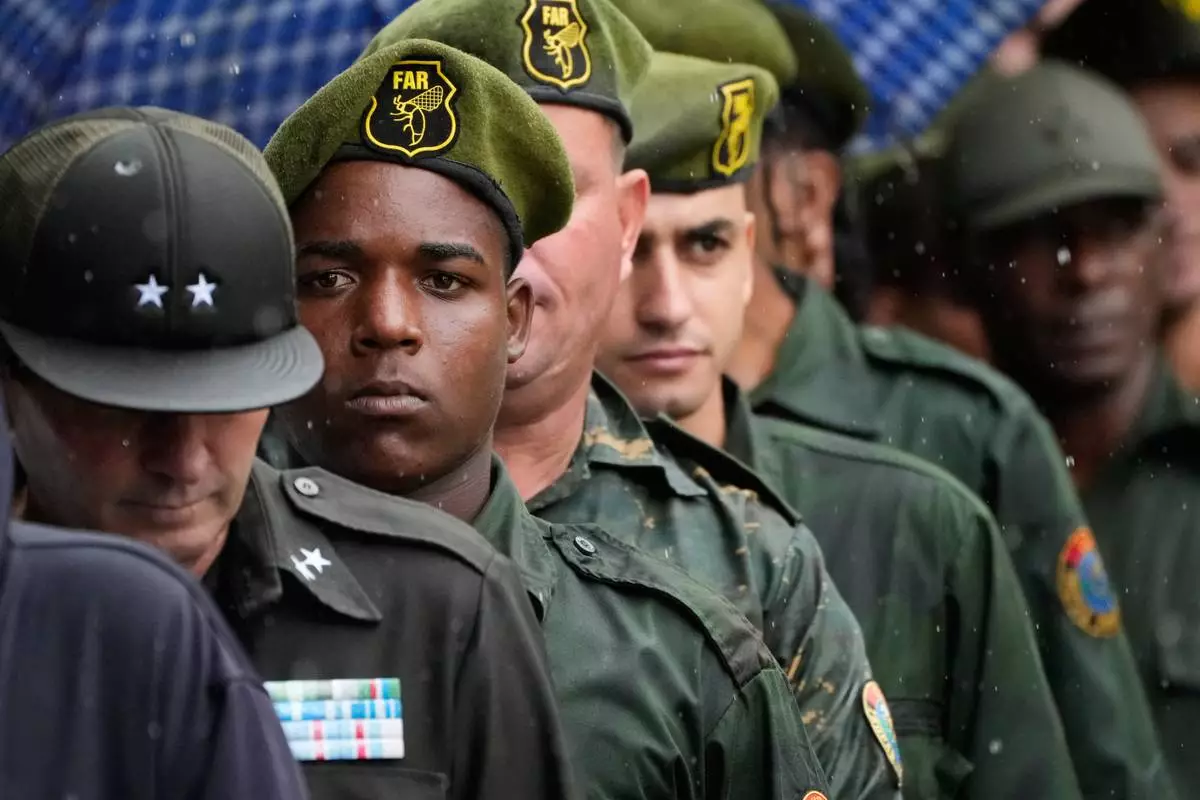
Military members line up outside the Ministry of the Revolutionary Armed Forces where the urns containing the remains of Cuban officers, killed during the U.S. operation in Venezuela that captured President Nicolas Maduro, are on display in Havana, Cuba, Thursday, Jan. 15, 2026. (AP Photo/Ramon Espinosa)
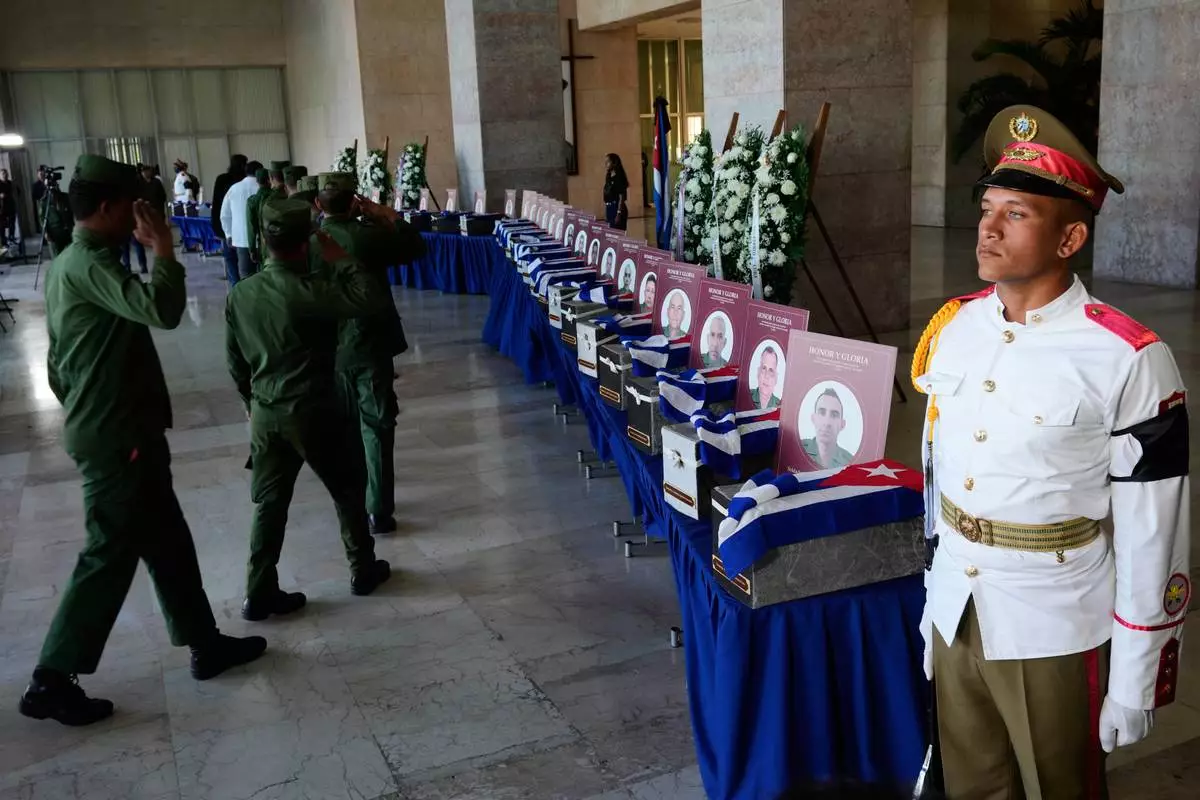
Military members pay their last respects to Cuban officers who were killed during the U.S. operation in Venezuela that captured Venezuelan President Nicolas Maduro, at the Ministry of the Revolutionary Armed Forces where the urns containing the remains are displayed during a ceremony in Havana, Cuba, Thursday, Jan. 15, 2026. (AP Photo/Ramon Espinosa)
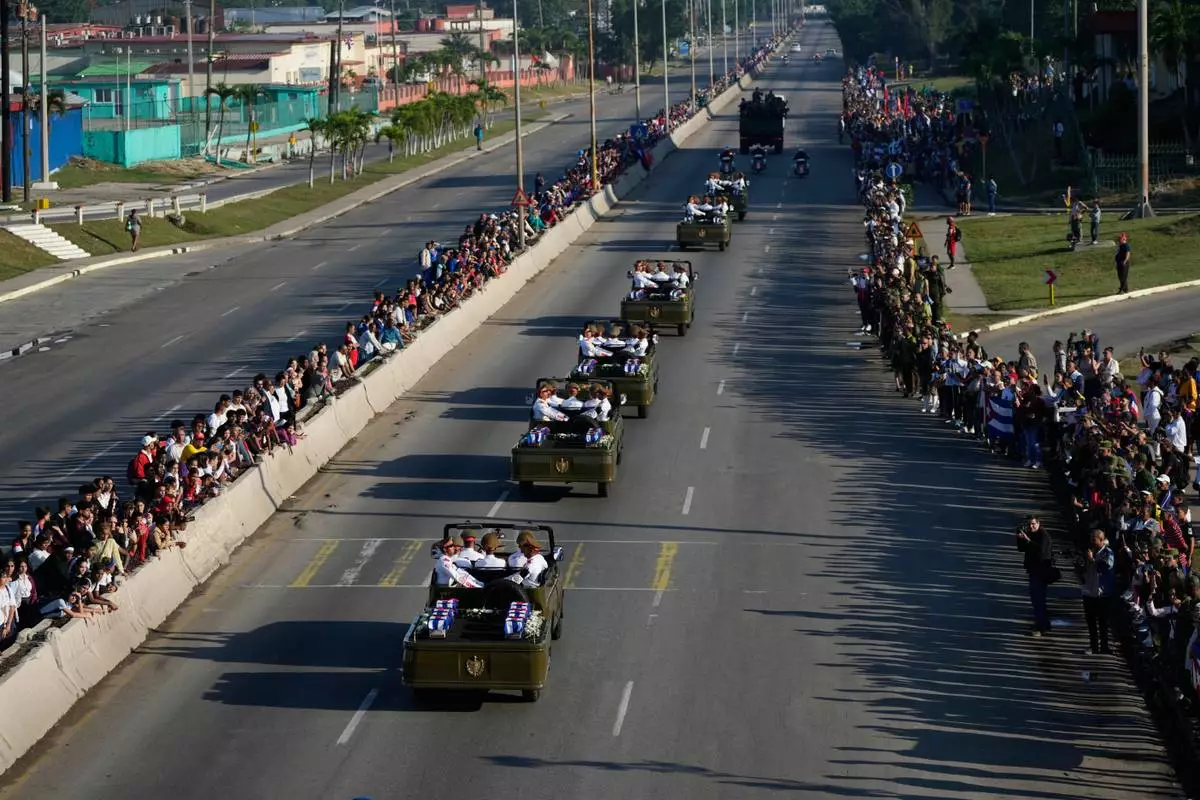
A motorcade transports urns containing the remains of Cuban officers, who were killed during the U.S. operation in Venezuela that captured Venezuelan President Nicolas Maduro, through Havana, Cuba, Thursday, Jan. 15, 2026. (AP Photo/Ramon Espinosa)
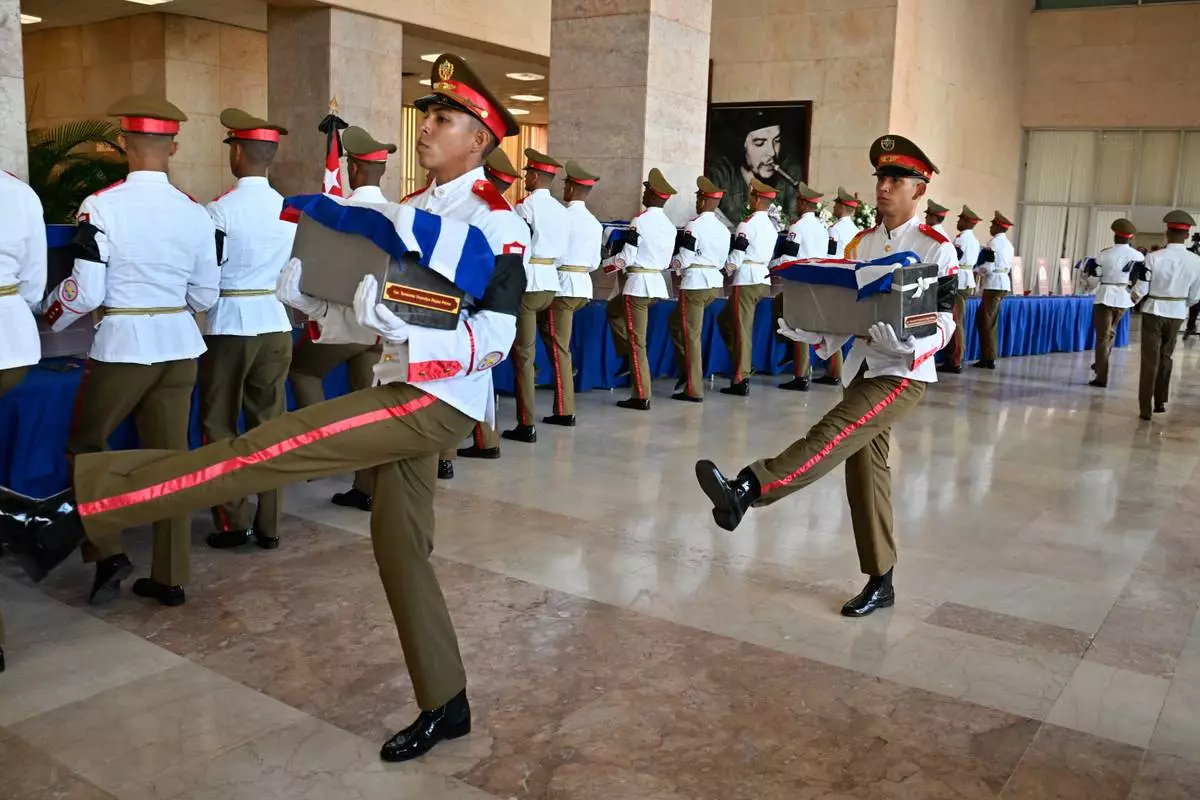
Soldiers carry urns containing the remains of Cuban officers, who were killed during the U.S. operation in Venezuela that captured Venezuelan President Nicolas Maduro, at the Ministry of the Revolutionary Armed Forces in Havana, Cuba, Thursday, Jan. 15, 2026. (Adalberto Roque /Pool Photo via AP)
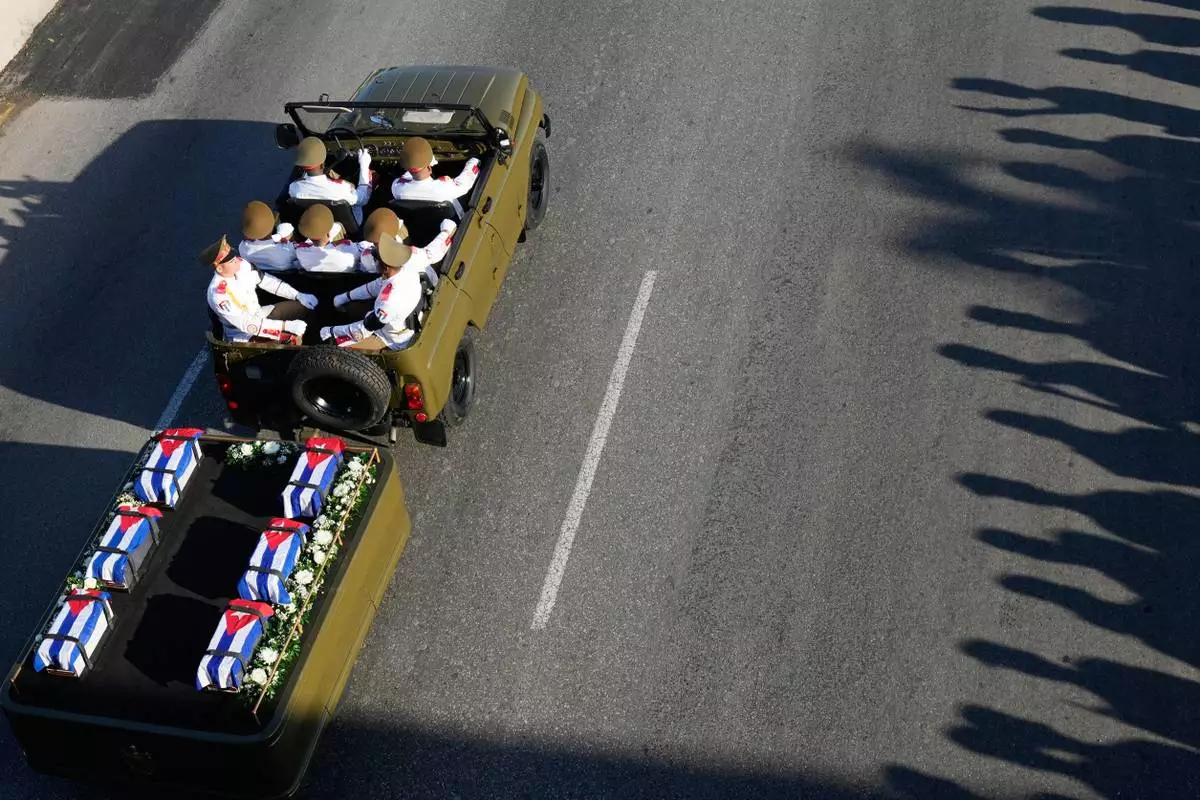
A motorcade transports urns containing the remains of Cuban officers, who were killed during the U.S. operation in Venezuela that captured Venezuelan President Nicolas Maduro, through Havana, Cuba, Thursday, Jan. 15, 2026. (AP Photo/Ramon Espinosa)
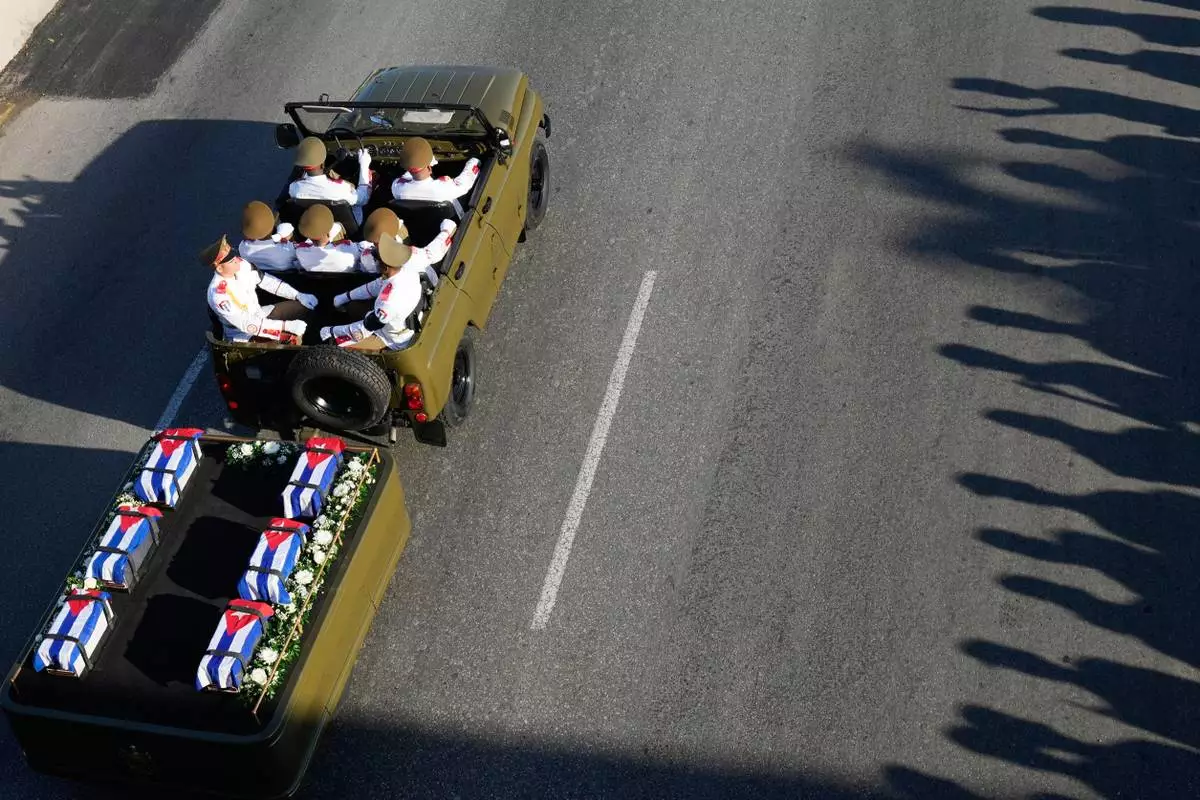
A motorcade transports urns containing the remains of Cuban officers, who were killed during the U.S. operation in Venezuela that captured Venezuelan President Nicolas Maduro, through Havana, Cuba, Thursday, Jan. 15, 2026. (AP Photo/Ramon Espinosa)
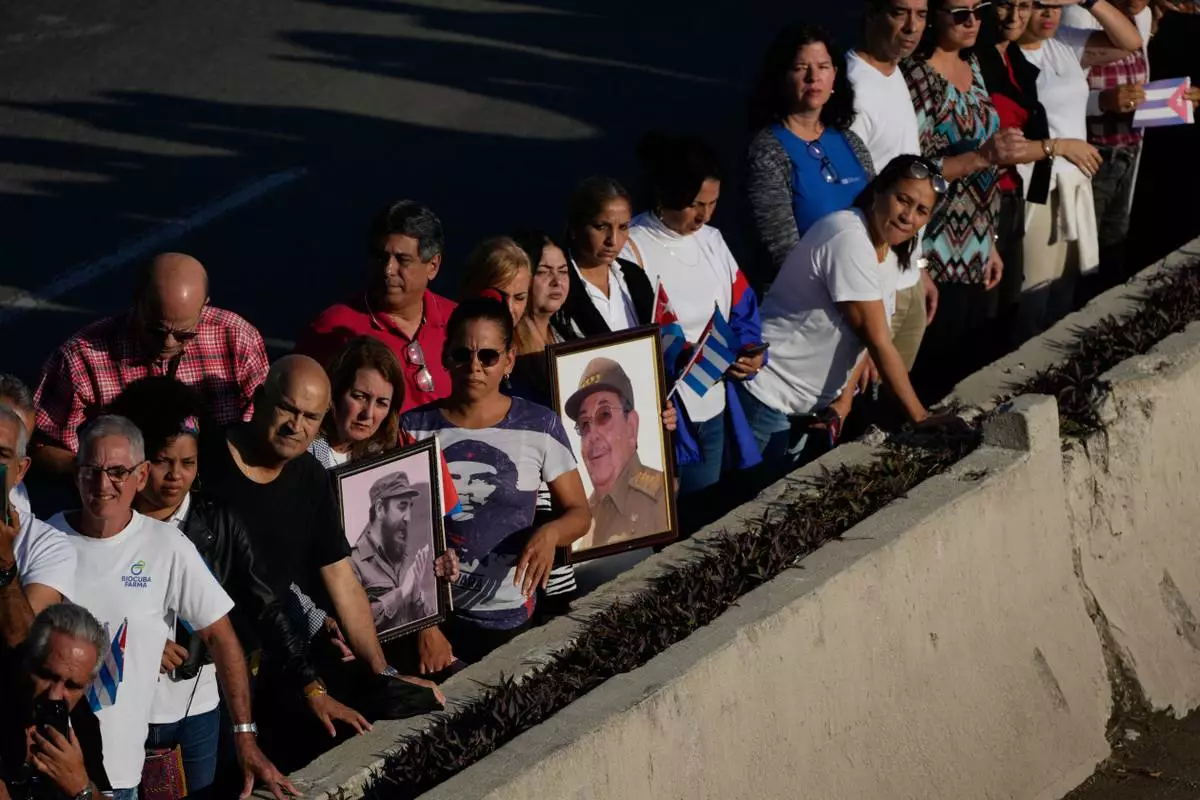
People line the streets of Havana, Cuba, Thursday, Jan. 15, 2026, to watch the motorcade carrying urns containing the remains of Cuban officers killed during the U.S. operation in Venezuela that captured Venezuelan President Nicolas Maduro. (AP Photo/Ramon Espinosa)
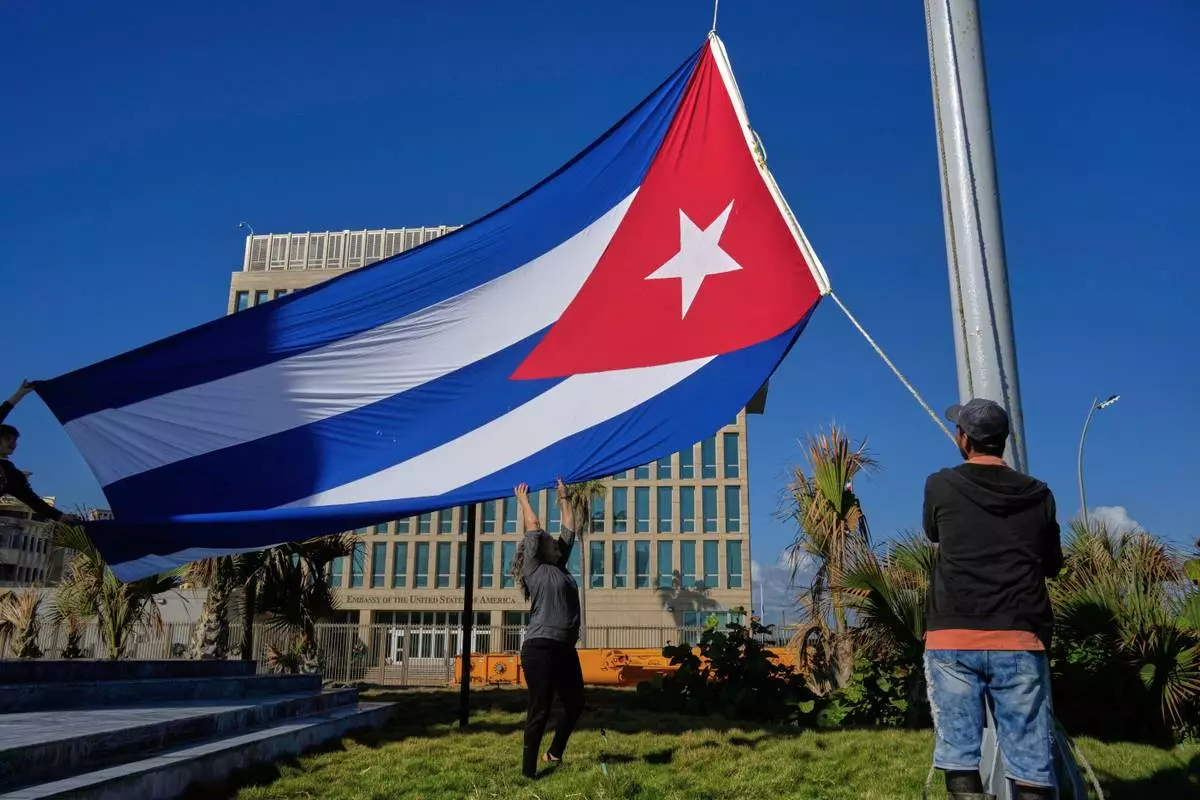
Workers fly the Cuban flag at half-staff at the Anti-Imperialist Tribune near the U.S. Embassy in Havana, Cuba, Monday, Jan. 5, 2026, in memory of Cubans who died two days before in Caracas, Venezuela during the capture of Venezuelan President Nicolas Maduro by U.S. forces. (AP Photo/Ramon Espinosa)