A remote village in Xinjiang's picturesque Kanas region, the tranquil Hemu Village, is transforming from isolation to a buzzing travel hotspot.
Local woman Ou Donghua, a member of the Tuva Mongolian ethnic group, has witnessed the drastic changes.
Ou is an indigenous Tuva in Hemu Village. According to her, the Tuvas are nomads. During their childhood, in every family, the kids, though very young, had to help with herding sheep after finishing school.
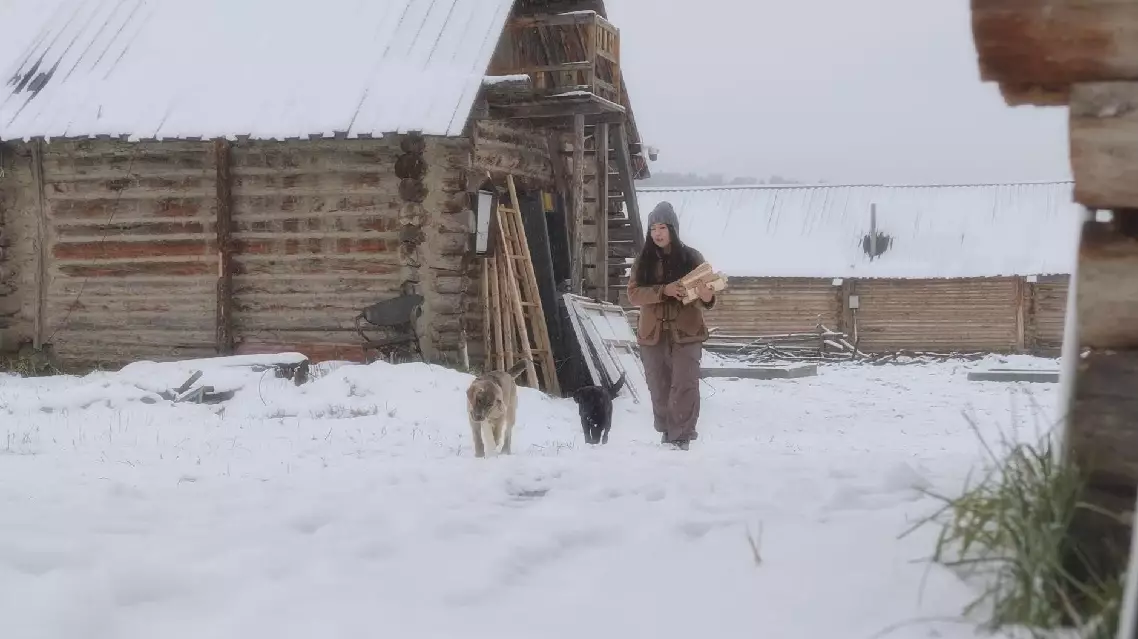
In order to migrate between the summer and winter pastures, the Tuva people would set up Mongolian yurts. Later, when they settled down and made a living on herding, they built these small log cabins.
Ou introduced that the Tuva cottages are unique in their architectural style.
The gable roof design ensures no water leaks in after the snow melts. Instead of using nails when building these cabins, they groove two round timbers, fasten them with simple mortise and tenon joints, and pile one above another.
The timber used for the cottages are red pine wood logs with a diameter of 30-40 centimeters.
Moss is filled in between the timber, preventing snow and moisture getting in and keeping the cottages warm during the frigid winters in Hemu Village. "Back when I was a kid, Hemu had only dirt roads, so it used to take us one whole day to venture outside of the village. Later, the government built asphalt roads to develop tourism industry, making transport much more convenient and attracting more and more tourists. Almost all of the local people have engaged in the tourism sector," said Ou.
In Hemu Village, very few local people are running businesses from their own homes. So there are not many real places for visitors to sit down and learn about local culture and people, said Ou.
Therefore, Ou decided to maintain the original design and features of the cottage.
"The yoghurt and butter bucket, the pelt-covered snowboard, and the bow and arrow we used, I have now hung them up on the wall. However, when we were just starting out with our BNB business, we never thought of putting them on display. Later on, we believed our BNB should not just be a place for visitors to spend the night. It should offer something more. The decorations in the rooms should be renovated. Not just having two beds, for instance. Instead, we should create a space for the visitors to see our true original lifestyle," said Ou.
Local tourism industry has changed the lives of the Tuvan people. Ou said she hopes more people will know about the hidden paradise.
"Previously, this was mainly just a scenic spot in the summer, so visitors didn't know about the scenery and life of local Hemu villagers during the winter. In the future, I hope to enable more people to learn about our way of life across all four seasons, come taste our food and see our day-to-day customs. So visitors can have a greater local experience here. I hope my small BNB will help bring more vigor and vitality to this land, and to my hometown," said Ou.
Remote village in Xinjiang transforms from isolation to travel hotspot