China's Macao Special Administrative Region (SAR) has rolled out a series of measures to mitigate the potential impact on small and medium-sized enterprises (SMEs) brought by the U.S. abuse of tariffs, said the SAR's Chief Executive Sam Hou Fai on Sunday.
The measures include loan subsidies and tax breaks to bolster SMEs businesses amid global trade tensions.
"The U.S. abuse of tariffs undermines WTO rules, affecting global economies. As a tourist-reliant micro-economy, Macao's direct export impact is limited. However, indirect risks arise from potential declines in tourist spending and U.S. dollar-linked investments. Macao has introduced a four-percent loan interest subsidy to mitigate challenges for SMEs, capped at MOP 200,000 annually per business, and tax exemptions, with 90 percent of SMEs exempted from fees. Efforts to diversify include expanding Southeast Asian tourism markets and collaborating with Greater Bay Area industries. Government reserves remain stable through diversified investments and fixed deposits," the chief executive said.
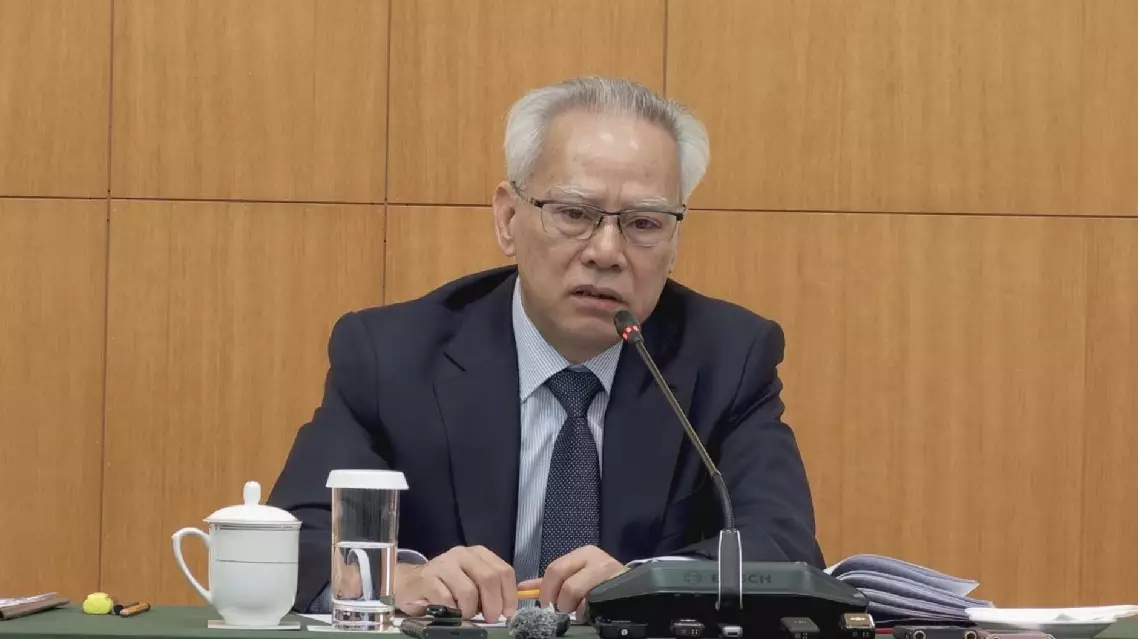
Macao SAR rolls out measures to address US tariff impact on SMEs
Africa is feeling the pinch of the spillover effects of tensions in the Middle East, said United Nations (UN) Secretary-General Antonio Guterres in the Kenya capital Nairobi on Monday.
On Monday, Guterres and Kenyan President William Ruto jointly launched the expansion project for the UN office at Nairobi.
At the ceremony, he said that the deteriorating situation in the Middle East is having an increasingly severe negative impact on Africa.
"Africa is a driver of solutions, a source of innovation and the voice of moral clarity in our shared pursuit of peace and security, sustainable development, and human rights," he said.
He mentioned that many African countries are being severely affected by the ongoing situation in the Strait of Hormuz, particularly by the impact of sharp increases in energy and fertilizer prices.
Guterres also stressed how conflicts in the Middle East and the closure of the Strait of Hormuz directly threaten African stability, noting that 13 percent of the continent's imports -- mainly oil and fertilizers -- pass through this vital waterway.
He said four in five African countries are net oil importers, and any prolonged disruption to global supply chains would severely worsen their economic vulnerability.
That is why de-escalation is urgent. Navigational rights and freedoms must be restored. The Strait of Hormuz must reopen fully and safely. All parties must refrain from any action that could widen the conflict, and diplomacy must be given every chance, Guterres said.
He said the UN is deepening its engagement with Africa amid growing turbulence in the international order to advance peace, sustainable development, and climate justice.
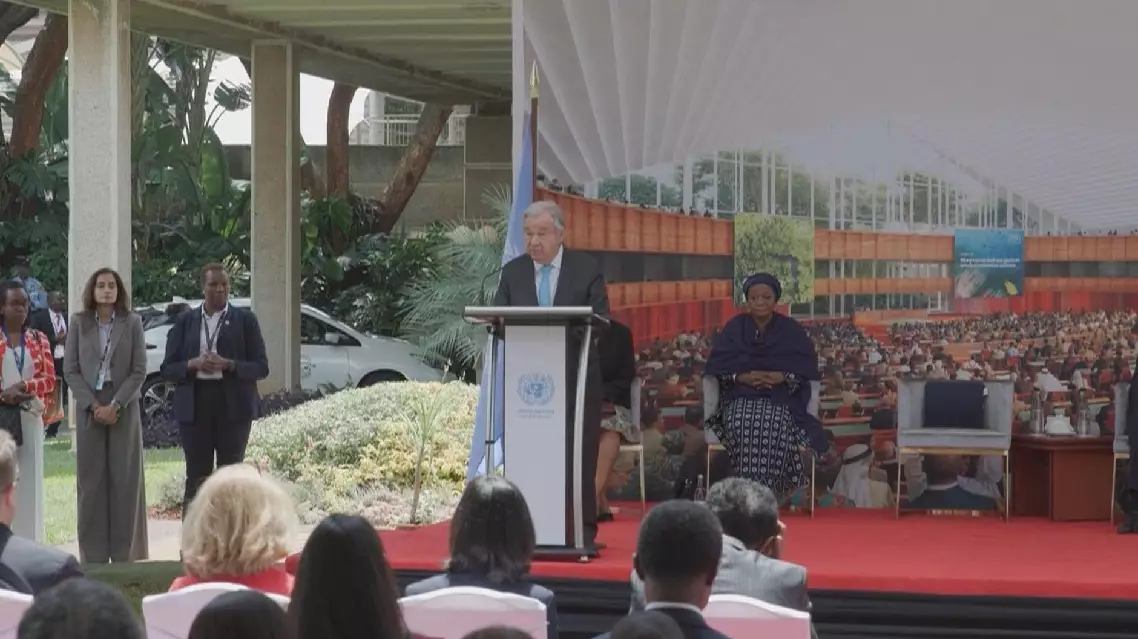
Spillover effects of Middle East crisis affecting Africa: Guterres