The picturesque county of Yangshuo in south China's Guangxi Zhuang Autonomous Region has become a magnet for travelers from around the world during the five-day May Day holiday starting on Thursday.
One of the most popular destinations for tourists is the famed Ten-mile Gallery, a scenic stretch lined with dramatic limestone peaks that rise like an ink painting brought to life.
Along the roadside, the presence of foreign tourists adds a lively exotic vibe to the tranquil beauty of the travel destination.
Some of them pedal along riverside paths, while others drift leisurely on bamboo rafts, taking in the natural wonders.
At local food stalls in streets and at scenic spots, foreign visitors, intrigued by a traditional snack or delicacy, are often met with friendly stall owners who patiently explain how it's made and how to enjoy it.
For many foreign tourists, Yangshuo offers more than a feast for the eyes. It's a heartfelt connection to Chinese culture, kindness, and the enduring charm of life amid the lush mountains and lucid waters.
"I like the nature here. It's very beautiful and nice. The people here are very friendly and very welcoming," said Alain, a tourist from the Netherlands.
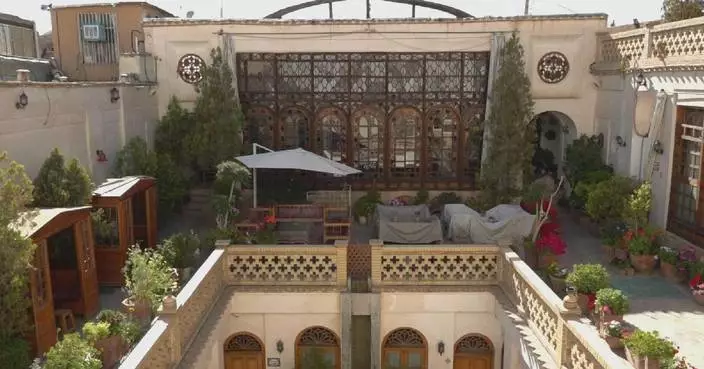
In Jiwodu Village along the Yulong River in Yangshuo, there are more than 30 hotels and homestays.
Surrounded by green mountains and flowing waters, and featuring traditional architecture with a rustic charm, the village has become a favorite for many foreign travelers.
"We've been having a very good time. We came here by boat on the river cruise and we've been enjoying the landscapes which are very beautiful. And people are very, very friendly which is something that we found to be very nice," said Natalie, a German tourist.
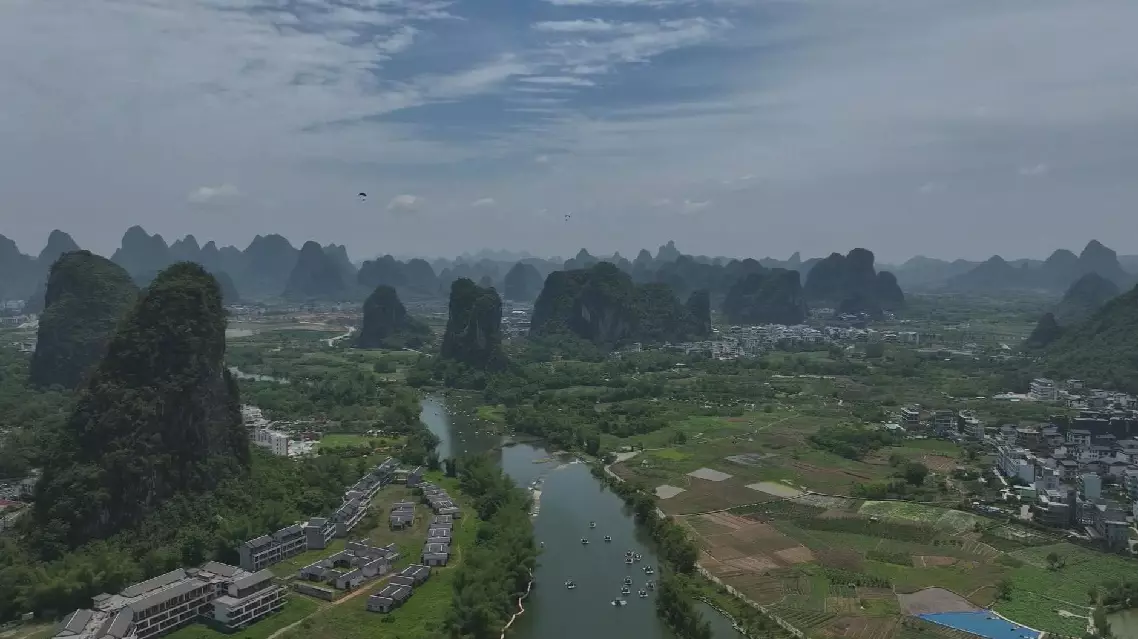
foreign tourists flock to south China for taste of scenic charm, hospitality
China's development has never been a "threat" to anyone but the source of growth advancing common development of all countries, Foreign Ministry spokesman Lin Jian said at a regular press conference in Beijing on Friday.
Some Western media and think tanks are peddling so-called "China Shock 2.0," saying that "China is achieving fast development in high-tech sectors such as renewable energy and AI and relies on foreign markets to absorb its overcapacity, thus reducing the market share of developed countries and sending more serious shock waves to the global economy compared with the era of traditional manufacture industry," while there are foreign commentators saying that the "China Shock 2.0" argument ignores the genuine innovation occurring within the Chinese industrial ecosystem and that Chinese export is the exact booster of the global economy that is needed in the turbulent period and more indispensable than ever.
Commenting on that, Lin said: "From the world's factory to the world's market and innovation powerhouse, China's development is achieved through strong performance driven by innovation and brings tangible cooperation opportunities and space to the world. High-quality Chinese products represented by the 'old three' of textiles, furniture and home appliances have stabilized the global industrial and supply chain, lowered the living cost of global consumers and eased the inflationary pressure worldwide. China's green production capacity represented by the 'new three' of electric vehicles, batteries and solar panels has bridged the gap between supply and demand in global green development and bolstered the global energy transition and low-carbon development. Moreover, China's high-tech products represented by the 'new new three' of robots, AI and innovative drugs have broken high-tech barriers and monopoly and enabled people in more countries to access affordable new technologies," said the spokesman.
"Openness and cooperation bring about progress and win-win result. China's development has never been a 'threat' to anyone but the source of growth advancing common development of all countries. What really creates 'shocks' to the world has never been the innovation of Chinese companies and efficiency of Chinese industrial capacity, but protectionist moves of setting up barriers, decoupling and severing industrial and supply chains. China will stay committed to high-standard opening up, defend the multilateral trading system and provide more certainty and new impetus to the world economy with its own steady development," said Lin.
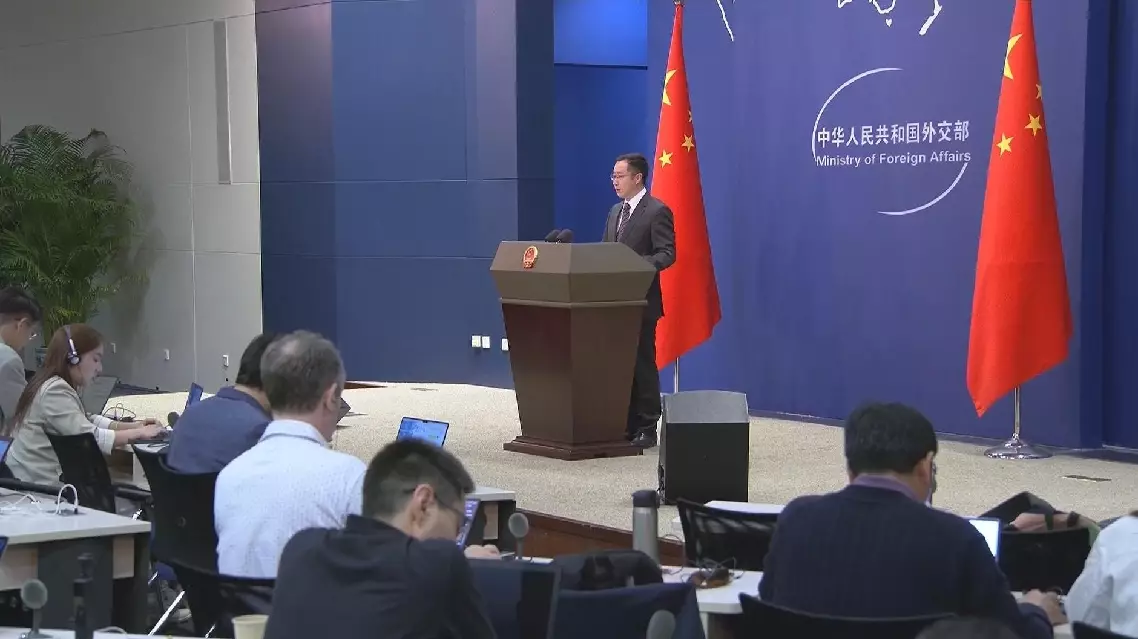
China's development never a threat: FM spokesman