HONOLULU (AP) — Hawaii lawmakers passed on Friday first-of-its-kind legislation that will increase the state’s lodging tax to raise money for environmental protection and strengthening defenses against climate change -fueled natural disasters.
Gov. Josh Green supports the bill, indicating he will sign it. The bill adds a 0.75% levy to the state’s existing tax on hotel rooms, timeshares, vacation rentals and other short-term accommodations. It also imposes a new 11% tax on cruise ship bills, prorated for the number of days the vessels are in Hawaii ports.
Click to Gallery
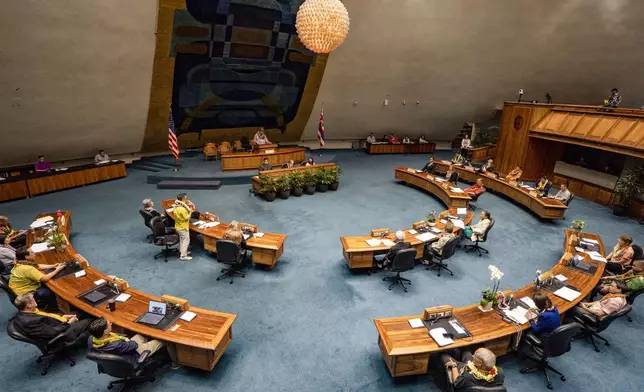
Hawaii senators are seen during the discussion of the bill that will increase the state's lodging tax, Friday, May 2, 2025, at the state Capitol in Honolulu. (AP Photo/Mengshin Lin)
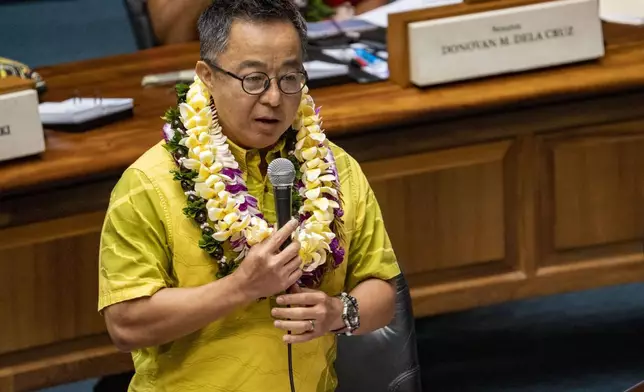
Hawaii Sen. Glenn Wakai speaks during the discussion of the bill that will increase the state's lodging tax, Friday, May 2, 2025, at the state Capitol in Honolulu. (AP Photo/Mengshin Lin)
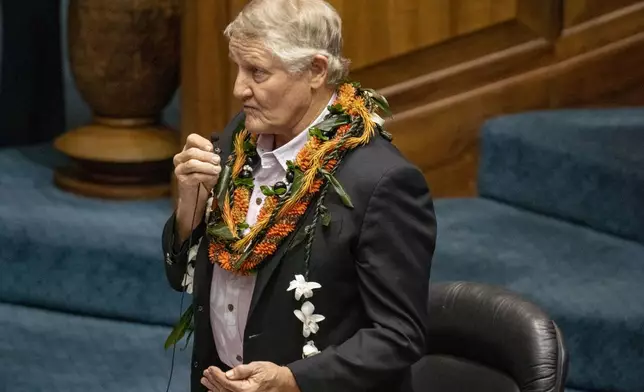
Hawaii Sen. Herbert "Tim" Richards III speaks during the discussion of the bill that will increase the state's lodging tax, Friday, May 2, 2025, at the state Capitol in Honolulu. (AP Photo/Mengshin Lin)
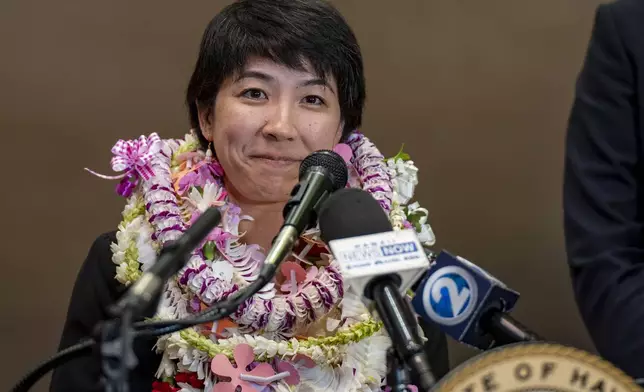
Hawaii House Vice Speaker Linda Ichiyama speaks to journalists during a press conference at the state Capitol, Friday, May 2, 2025, in Honolulu. (AP Photo/Mengshin Lin)
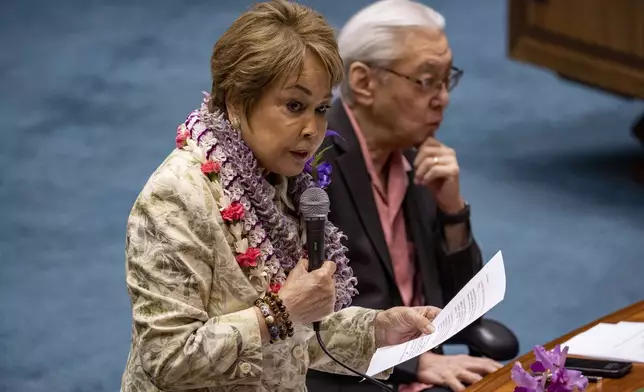
Hawaii Sen. Lorraine, R-Inouye, speaks during the discussion of the bill that will increase the state's lodging tax, Friday, May 2, 2025, at the state Capitol in Honolulu. (AP Photo/Mengshin Lin)
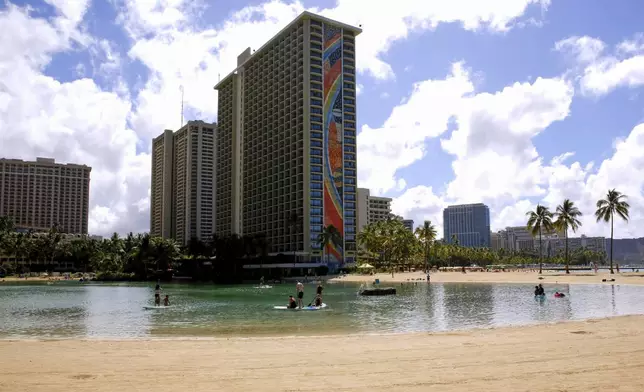
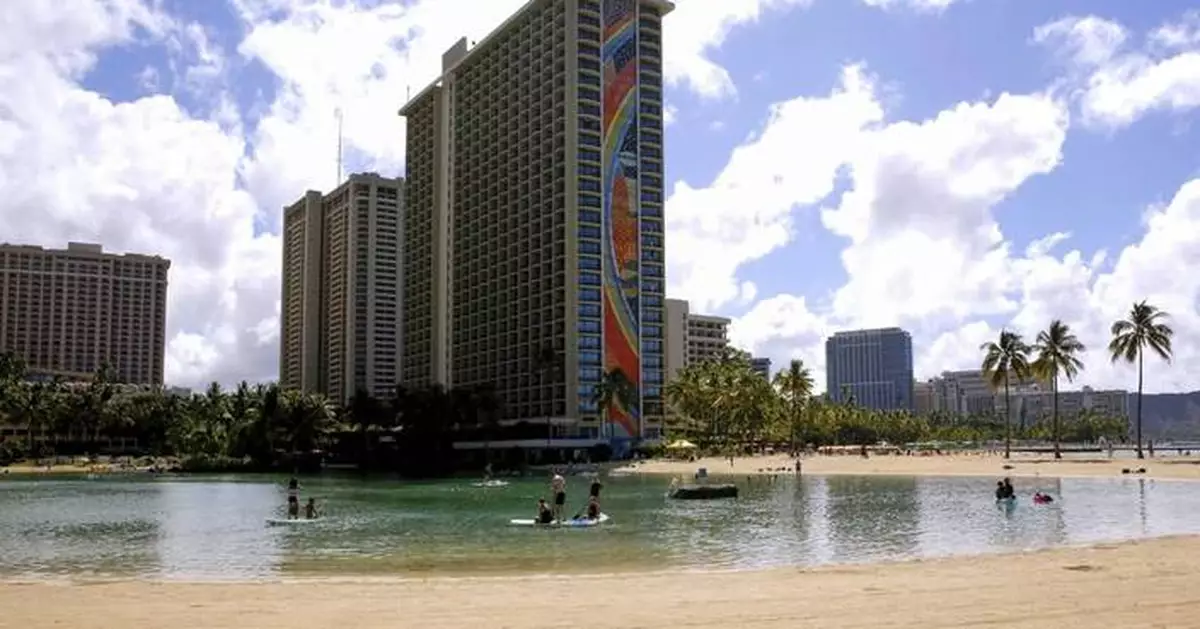
FILE - People swim in the lagoon in front of the Hilton Hawaiian Village resort in Honolulu on Saturday, Sept. 4, 2021. (AP Photo/Caleb Jones, File)
Officials estimate the tax will generate nearly $100 million annually. They say the money will be used for projects like replenishing sand on eroding Waikiki beaches, promoting the use of hurricane clips to secure roofs during powerful storms and clearing flammable invasive grasses like those that fed the deadly wildfire that destroyed downtown Lahaina in 2023.
The House and Senate, both controlled by large majorities of Democrats, both passed the measure by wide margins.
Experts say this is the nation's first state lodging tax that raises money for the environment and coping with climate change.
Hawaii already levies a 10.25% tax on short-term rentals. As of Jan. 1, the tax will rise to 11%. Hawaii's counties separately charge a 3% lodging tax, and travelers also have to pay the 4.712% general excise tax that applies to all virtually all goods and services. The cumulative tax bill at checkout will climb to 18.712%, among the highest in the nation.
Green said people have told him the increase is small enough people won’t notice. He observed many people come to Hawaii to enjoy the environment and predicted they will welcome committing dollars to protect shorelines and communities.
“The more you cultivate good environmental policy, and the more you invest in perfecting our lived space, the more likely it is we’re going to have actually lifelong, committed travelers to Hawaii,” he said in an interview.
Only funds raised by the 0.75% addition and the new tax on cruise ship stays will go exclusively toward natural resources and climate change. Revenue from existing state lodging taxes would continue to flow into state's general fund and to help pay for the construction of Honolulu's rail line.
Zane Edleman, a visitor from Chicago, said he could envision the extra cost prompting some travelers to head elsewhere else like Florida. But he said it would depend on how the state shares information about what it does with the money.
“If you really focus on the point — this is to save the climate and actually have proof that this is where the funds are going, and that there’s an actual result that’s happening from that, I think people could buy into it,” Edleman said.
The first draft of the legislation called for a larger increase, but lawmakers pared it back.
“We heard the concerns about how do we make sure that we are able to sustain our industry as well as find new resources to address the needs for environmental sustainability,” said Democratic Rep. Linda Ichiyama, vice speaker of the House. “So it was a balance.”
John Pele, the executive director of the Maui Hotel and Lodging Association, said there’s broad agreement that the money raised will go to a good cause. But he wonders if Hawaii will become too expensive for visitors.
“Will we be taxing on tourists out of wanting to come here?” he said. “That remains to be seen.”
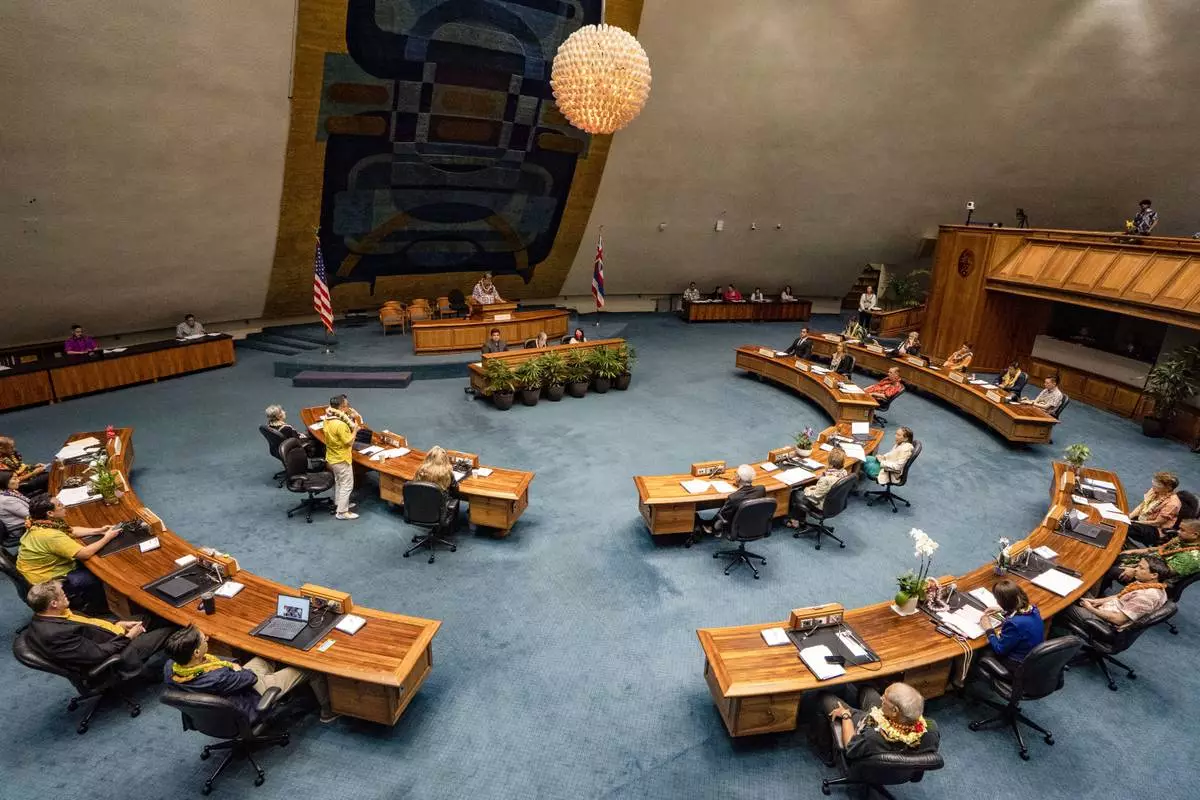
Hawaii senators are seen during the discussion of the bill that will increase the state's lodging tax, Friday, May 2, 2025, at the state Capitol in Honolulu. (AP Photo/Mengshin Lin)
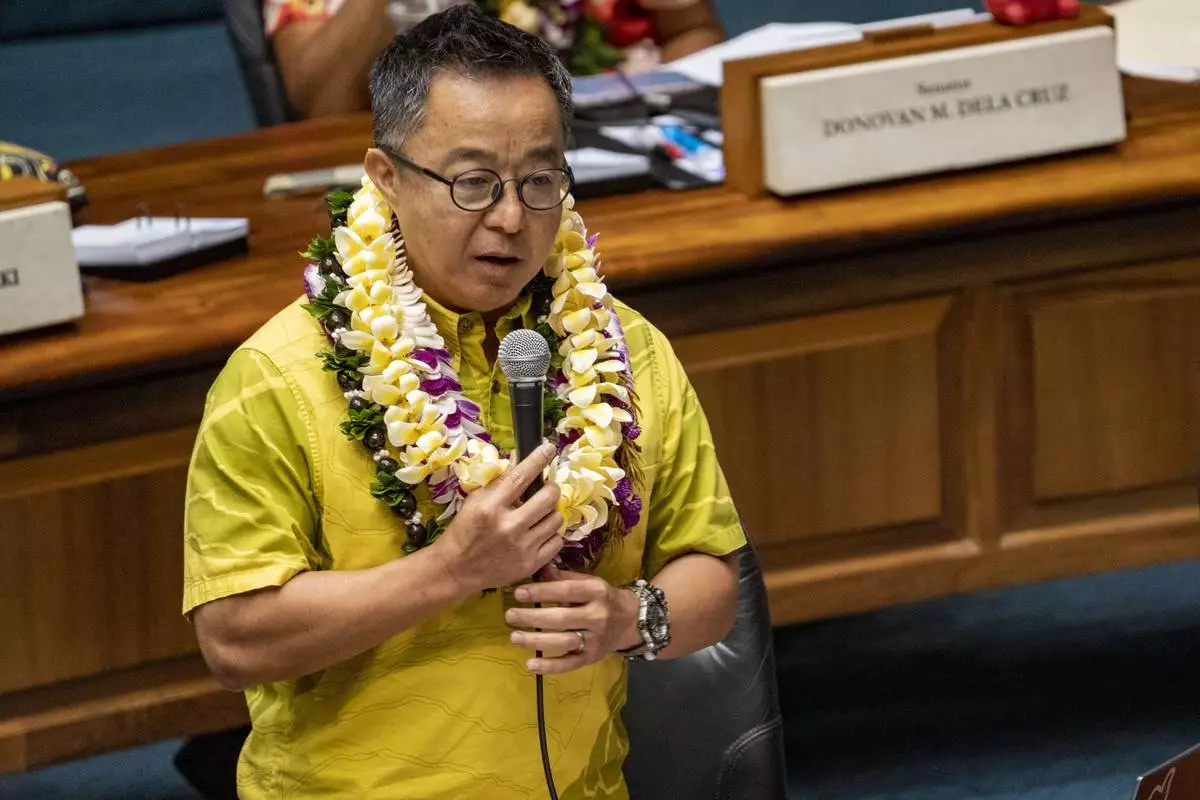
Hawaii Sen. Glenn Wakai speaks during the discussion of the bill that will increase the state's lodging tax, Friday, May 2, 2025, at the state Capitol in Honolulu. (AP Photo/Mengshin Lin)
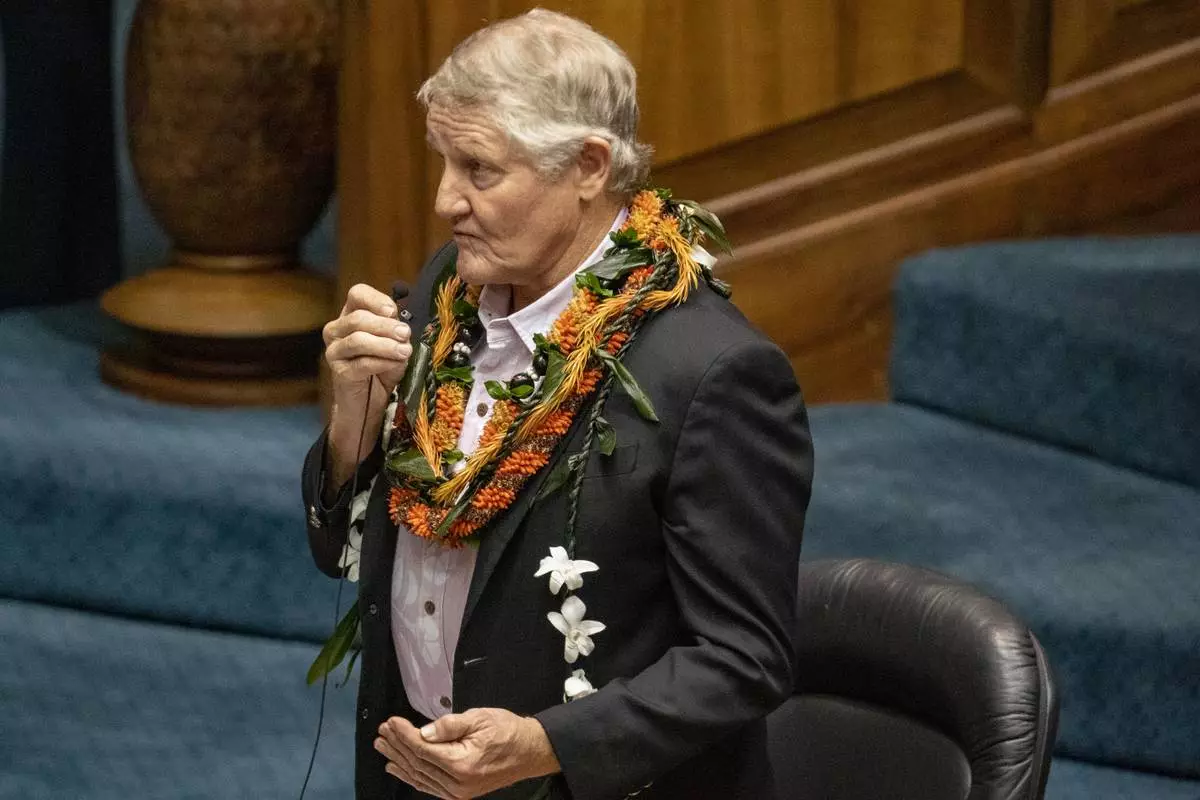
Hawaii Sen. Herbert "Tim" Richards III speaks during the discussion of the bill that will increase the state's lodging tax, Friday, May 2, 2025, at the state Capitol in Honolulu. (AP Photo/Mengshin Lin)
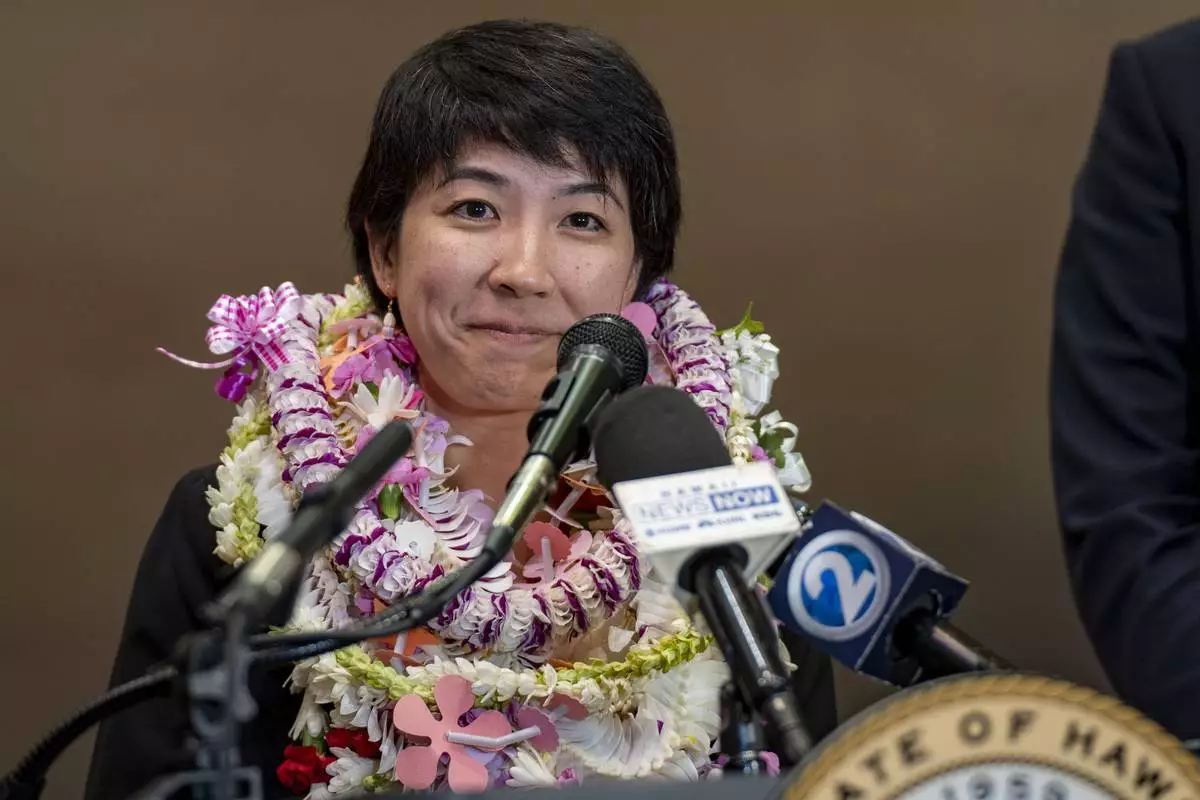
Hawaii House Vice Speaker Linda Ichiyama speaks to journalists during a press conference at the state Capitol, Friday, May 2, 2025, in Honolulu. (AP Photo/Mengshin Lin)
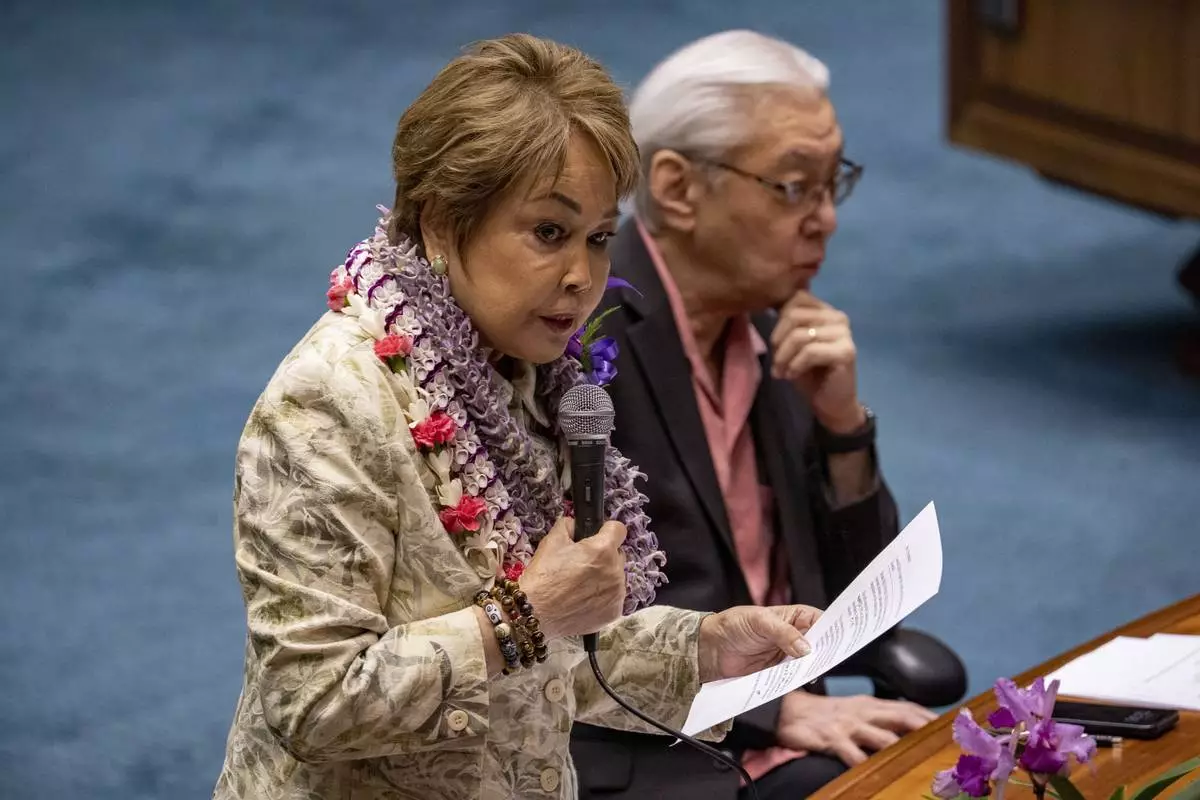
Hawaii Sen. Lorraine, R-Inouye, speaks during the discussion of the bill that will increase the state's lodging tax, Friday, May 2, 2025, at the state Capitol in Honolulu. (AP Photo/Mengshin Lin)
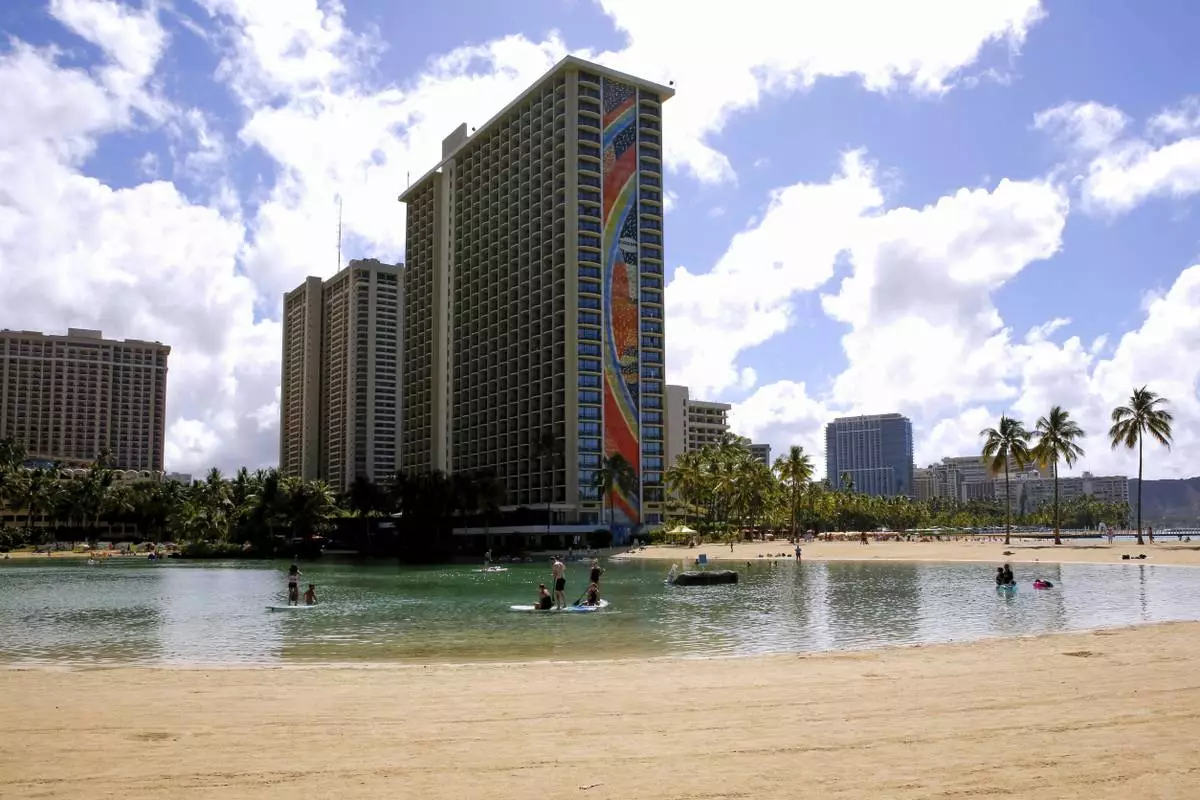
FILE - People swim in the lagoon in front of the Hilton Hawaiian Village resort in Honolulu on Saturday, Sept. 4, 2021. (AP Photo/Caleb Jones, File)